
Opinion|Videos|September 22, 2026
Adverse Event Profiles and Monitoring on ROS1 Inhibitors
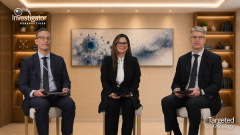
Martin Dietrich, MD, PhD, says he manages neurologic adverse events reactively rather than proactively, because he cannot predict who will develop them and because on-target effects tend to appear early.
Advertisement
Episodes in this series
Martin Dietrich, MD, PhD, says he manages neurologic adverse events reactively rather than proactively, because he cannot predict who will develop them and because on-target effects tend to appear early. Dietrich prefers full dose up front for central nervous system coverage before reducing to something a patient can tolerate over years, and now watches liver function, blood counts, and gastrointestinal effects more closely than neurologic ones. Wade Iams, MD, sees patients every two to three weeks for the first couple of months, counsels that fatigue tends to improve as patients acclimate to a tyrosine kinase inhibitor, and aims to reach three-month intervals with scans. Ticiana Leal, MD, says most adverse events appear early, so nursing and pharmacy teams need to know what to tell a patient who calls.
Advertisement
Related to this article

Preview the 2026 International Myeloma Society meeting: the IMS/IMWG cure consensus, plenary session phase 3 trials, and new bispecific/CAR T myeloma findings.

During a roundtable event, Amit R. Mehta, MD, and participants discussed treatment selection for a patient with immune thrombocytopenia at risk of thrombotic events.
The FDA designation is for LYT-200 plus a hypomethylating agent for relapsed/refractory high-risk myelodysplastic syndromes.

Real-world ESAS data show higher symptom burden after cancer diagnosis shifts spending from treatment to ER, home and mental health care.
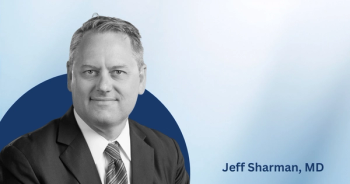
Jeff Sharman, MD, explores how targeted therapies have transformed CLL treatment and what emerging approaches could shape the future of care.

Updated TRUST-I and TRUST-II data show durable taletrectinib responses in ROS1+ NSCLC regardless of prior chemotherapy or fusion partner.
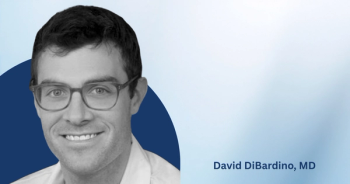
David DiBardino, MD, explains how intratumoral radioenhancer therapy works, why standardization remains a challenge, and what early CONVERGE study data suggest for locally advanced NSCLC.

Oncologists weigh second-line options after IO/TKI failure in metastatic ccRCC, highlighting tolerability, mechanism shifts, and belzutifan’s broader role.
Advertisement
Advertisement
Trending on Targeted Oncology - Immunotherapy, Biomarkers, and Cancer Pathways
1
Taletrectinib Sustains Durable ROS1+ NSCLC Responses at 3-Year Follow-Up
2
FDA Grants Fast Track Status to LYT-200 Combo in High-Risk MDS
3
Looking Back on the Transformation of CLL Treatment: Jeff Sharman, MD
4
A Look Inside CONVERGE: Intratumoral Therapy Comes to Locally Advanced NSCLC
5