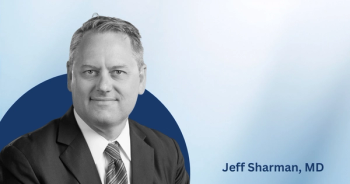
Jeff Sharman, MD, explores how targeted therapies have transformed CLL treatment and what emerging approaches could shape the future of care.

As Leukemia and Lymphoma Awareness Month draws to a close, Daniel DeAngelo, MD, PhD, discusses the key trends in acute lymphoblastic leukemia treatment.
The treatment landscape for acute lymphoblastic leukemia (ALL) is undergoing a major transformation, marked by chemotherapy-free frontline regimens and the expanding role of targeted immunotherapies, according to Daniel DeAngelo, MD, PhD, of Dana-Farber Cancer Institute. Treatment paradigms are fundamentally structured around Philadelphia chromosome (Ph) status. Ph+ ALL management has shifted toward chemotherapy-free induction strategies combining tyrosine kinase inhibitors (TKIs) with glucocorticoids, followed by the bispecific T-cell engager blinatumomab (Blincyto). For patients achieving minimal residual disease (MRD) negativity, clinicians can now successfully forego intensive chemotherapy and hematopoietic stem cell transplantation (HSCT), achieving durable cures with reduced treatment-related toxicity.
Treatment for Ph- ALL integrates immunotherapy and bispecific T-cell engagers to optimize outcomes in MRD-negative patients. The field is actively evaluating de-escalation strategies to minimize overall regimen intensity for responders but reserving cellular therapies for non-responders or relapsed disease.
For relapsed/refractory B-cell ALL, chimeric antigen receptor (CAR) T-cell therapies have redefined outcomes. Three FDA-approved constructs, tisagenlecleucel (Kymriah), brexucabtagene autoleucel (Tecartus), and obecabtagene autoleucel (Aucatzyl) for adult patients, demonstrate exceptional remission rates alongside durable, long-term event-free and overall survival. Research is now focusing on moving these cellular agents into earlier lines of therapy to optimize frontline disease control.
Despite these clinical advances, substantial disparities limit equitable access to cellular therapies. Geographic distance represents a primary barrier in the United States, as patients in rural regions living hours away from specialized academic centers face severe travel and housing logistics. Addressing this underutilization requires dedicated institutional outreach, earlier community awareness, streamlined referral pathways, and comprehensive travel and lodging support. Facilitating timely access to specialized cellular therapy centers is essential to ensure that advances in ALL translate into real-world survival improvements across all patient populations.