During a live event, Payal D. Shah, MD, discusses the case of a woman with metastatic breast cancer and the data for third-line sacituzumab govitecan.

During a live event, Payal D. Shah, MD, discusses the case of a woman with metastatic breast cancer and the data for third-line sacituzumab govitecan.
During a live event, Benjamin Garmezy, MD, discussed treatment options in renal cell carcinoma including IO/TKI combinations plus VEGF selectivity.

During a live event, Patrick Moore, MD, discussed the superior efficacy with ide-cel vs standard care in relapsed/refractory multiple myeloma.
During a Case-Based Roundtable® event, John N. Allan, MD, discussed how new regimens using BTK inhibitors and venetoclax might be used in patients with chronic lymphocytic leukemia.
During a live event, James W. Smithy, MD, MHS, and other oncologists discussed how their experience with immune-related adverse events in metastatic melanoma has developed over time.

During a live event, Catherine J. Lee, MD, MS, discussed the efficacy and safety results of various trials of approved agents for treating chronic graft-vs-host disease.
During a live event, Sumanta K. Pal, MD, discusses the efficacy and safety findings from the CheckMate 274 trial of adjuvant nivolumab in patients with bladder cancer.

During a live event, Thach-Giao Truong, MD, moderated a discussion on treating a 78-year-old patient with metastatic melanoma with immunotherapy.
During a live event, Catherine J. Lee, MD, MS, discussed the results of the AGAVE-201 trial.

During a Community Case Forum event in partnership with the Texas Society of Clinical Oncology, Natalie Vokes, MD, discussed trials of targeted agents for EGFR-mutant lung cancer.

During a live event, John L. Wagner, MD, moderated a discussion on when to refer patients for CAR T-cell therapy and what challenges the referral process poses.

During a Case-Based Roundtable® event, Vamsidhar Velcheti, MD, discussed the TRIDENT-1 trial and practical considerations for repotrectinib in non–small cell lung cancer.

During a Case-Based Roundtable® event, Ryan W. Jacobs, MD, discussed a patient who received 2 prior lines of therapy for chronic lymphocytic leukemia.
Marlise R. Luskin, MD, MSCE, discussed treatment options for blastic plasmacytoid dendritic cell neoplasm (BPDCN), a rare and challenging disease.
In a live event, Ganesh V. Raj, MD, PhD, discussed the drug-drug interactions and outcomes by disease volumes across ARPI trials in mHSPC.
During a Case-Based Roundtable® event, Robert Z. Orlowski, MD, PhD, discussed the case of a patient who had progression of multiple myeloma after quadruplet frontline with transplant.
During a live event, Alexander I. Spira, MD, PhD, and participants discuss efficacy, adverse events, and sequencing of EGFR-mutated NSCLC treatments.

During a Case-Based Roundtable® event, Elizabeth M. Wulff-Burchfield, MD, and other participants discussed their experiences with the frontline combination regimens for advanced renal cell carcinoma.
During a Case-Based Roundtable® event, Natalie Galanina, MD, reviewed how outcomes have changed in patients with primary refractory or early relapsed DBLCL since the introduction of CAR T-cell therapy.
Nam Quoc Bui, MD, discusses survival, symptom control, and ovarian toxicity in the DeFi trial of nirogacestat in patients with desmoid tumors.
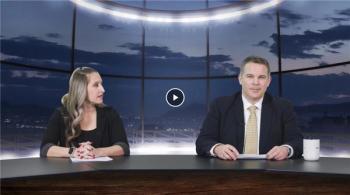
Co-hosts Kristie L. Kahl and Andrew Svonavec highlight the many advantages to attending the 42nd Annual Miami Breast Cancer Conference, with some additional tidbits to round out the main event.
David Zhen, MD, discussed the relevance of nivolumab in the upper gastrointestinal cancer population.
In a live event, Ganesh V. Raj, MD, PhD, discussed the landscape of metastatic hormone-sensitive prostate cancer considering the recent data from the ARANOTE study.
During a live event, participating oncologists discuss the role of ctDNA and molecular testing in muscle-invasive bladder cancer.
In a Community Case Forum in partnership with the North Carolina Oncology Association, Cristina Gasparetto, MD, discussed the CEPHEUS, IMROZ, and BENEFIT trials of treatment for transplant-ineligible newly diagnosed multiple myeloma.
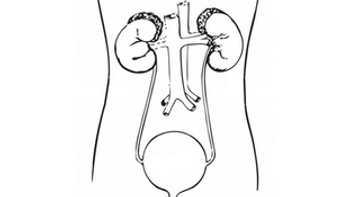
In separate, live virtual events, David H. Aggen, MD, PhD; and Matthew R. Zibelman, MD, discussed the case of a patient with urothelial carcinoma and potential treatment options.
During a Case-Based Roundtable® event, Natalie Galanina, MD, discussed data from the ZUMA-7 and TRANSFORM trials in the first article of a 2-part series.
During a live event, Alexander I. Spira, MD, PhD, and participants NGS testing practices and the rationale behind their approaches.
During a Case-Based Roundtable® event, Jay Yang, MD, discussed the trial comparing luspatercept with ESA in myelodysplastic syndrome.