


Chronic Lymphocytic Leukemia
Latest News
Advertisement
Latest Videos










































Advertisement
More News

Ian W. Flinn, MD, PhD, director, Hematologic Malignancies Research Program, Sarah Cannon Research Institute, gives an overview of two ongoing clinical trials looking at IPI-145 for the treatment of hematologic malignancies.
Treatment with single-agent ibrutinib (Imbruvica) dramatically increased progression-free survival (PFS) by nearly 80% and significantly extended overall survival (OS) by 57% compared with ofatumumab in patients with relapsed or refractory chronic lymphocytic leukemia (CLL).
Harry Erba, MD, PhD, professor of medicine, director, Hematologic Malignancy Program, University of Alabama at Birmingham, discusses the excitement around FLT3 inhibitors for the treatment of acute myeloid leukemia (AML).

The ASCO clinical practice guideline now recommends treatment with adjuvant tamoxifen for 10 years in women with stage I-III hormone receptor (HR)-positive breast cancer.

In an interview with Targeted Therapies, Wierda discussed new treatments for CLL, including issues in translating these regimens into clinical practice.

Timothy S. Pardee, MD, Assistant Professor, Hematology & Oncology, Wake Forest University Baptist Medical Center, describes initial results of the CALGB 10801 (Alliance) study, which added dasatinib to standard induction and consolidation therapy for newly diagnosed patients with core binding factor (CBF) acute myeloid leukemia (AML).

Amid advances in targeted therapies for patients with chronic lymphocytic leukemia (CLL), researchers also have been making strides in the realm of chemoimmunotherapy regimens for the disease.
Richard R. Furman, MD, a member of the Lymphoma/Myeloma Service in the Division of Hematology/Oncology at the New York Weill Cornell Medical Center, discusses the ability to avoid the administration of chemotherapy when using novel agents, such as idelalisib, to treat patients with chronic lymphocytic leukemia.
Meir Wetzler, MD, from Roswell Park Cancer Institute, discusses the potential impact of FLT3 inhibitors for the treatment of patients with acute myeloid leukemia.
William G. Wierda, MD, PhD, professor, Department of Leukemia, Division of Cancer Medicine, The University of Texas MD Anderson Cancer Center, discusses the CLL11 trial, a three-arm trial comparing chlorambucil versus chlorambucil plus rituximab versus chlorambucil plus obinutuzumab in patients with previously untreated chronic lymphocytic leukemia (CLL).

The FDA has approved ofatumumab (Azerra) plus chlorambucil for previously untreated patients with chronic lymphocytic leukemia (CLL) who are considered inappropriate for treatment with fludarabine therapy.
Mark R. Litzow, MD, chair, ECOG-ACRIN Leukemia Committee, professor of medicine, Division of Hematology, Mayo Clinic, discusses the role of transplant in patients with acute lymphoblastic leukemia (ALL).

The adaptive I-SPY 2 trial has found that a neoadjuvant regimen of neratinib and standard chemotherapy is beneficial for high-risk patients with hormone receptor (HR)-negative, HER2-positive stage II/III breast cancer.
Alessandra Ferrajoli, MD, associate professor, Department of Leukemia, Division of Cancer Medicine, The University of Texas MD Anderson Cancer Center, discusses ibrutinib, which was recently approved for patients with chronic lymphocytic leukemia (CLL) who have received at least one previous therapy.
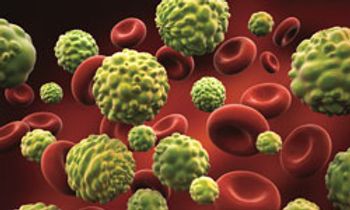
Treatment of CLL is complicated by the fact that most patients are diagnosed at a later age, with a median age at diagnosis of 72 years. In the United States, 75% of patients with CLL are more than 65 years of age.
Meir Wetzler, MD, chief, Leukemia Section, Department of Medicine, Professor of Medicine, Department of Medicine, Roswell Park Cancer Institute, discusses a phase I trial that studies the side effects and immune response to DEC-205/NY-ESO-1 fusion protein CDX-1401 and decitabine in patients with myelodysplastic syndrome (MDS) or acute myeloid leukemia
Eunice Wang, MD, discusses an ongoing phase III trial looking at vincristine sulfate liposomes injection (Marqibo) for the treatment of patients ≥ 60 years old with newly diagnosed acute lymphoblastic leukemia (ALL).

William G. Wierda, MD, PhD, professor, Department of Leukemia, Division of Cancer Medicine, The University of Texas MD Anderson Cancer Center, comments on the impact of targeted therapies for the treatment of chronic lymphocytic leukemia (CLL).
Harry Erba, MD, PhD, professor of medicine, director, Hematologic Malignancy Program, University of Alabama at Birmingham, discusses BCR-ABL Ratios in patients with chronic-phase chronic myeloid leukemia

Screening for prostate-specific antigen (PSA) significantly cuts the death rate from prostate cancer, but at the same time, America’s medical community should work harder to avoid the screen’s potential pitfalls.
Alessandra Ferrajoli, MD, associate professor, Department of Leukemia, Division of Cancer Medicine, The University of Texas MD Anderson Cancer Center, discusses the management of chronic lymphocytic leukemia (CLL) in elderly patients.

Harry Erba, MD, PhD, professor of medicine, director, Hematologic Malignancy Program, University of Alabama at Birmingham, discusses tipifarnib for the treatment of older, untreated patients with AML.

With the growing knowledge of immune system components, signaling processes, and regulatory networks, cancer immunotherapy has yielded increasingly favorable treatment outcomes.
Anas Younes, MD, chief, Lymphoma Service, Memorial Sloan Kettering Cancer Center, discusses treatment with idelalisib for chronic lymphocytic leukemia (CLL) and indolent non-Hodgkin lymphoma (iNHL)
William G. Wierda, MD, PhD, professor, Department of Leukemia, Division of Cancer Medicine, The University of Texas MD Anderson Cancer Center, discusses treatment options for patients with CLL who harbor the 17p deletion.
Advertisement
Advertisement
Trending on Targeted Oncology - Immunotherapy, Biomarkers, and Cancer Pathways
1
Anito-Cel Delivers Durable Responses With Low Neurotoxicity in RRMM
2
Risk, Histology, and Metastatic Site Guide First-Line RCC Treatment Choices
3
FDA Application Withdrawn for I-DXd in Small Cell Lung Cancer
4
Elinzanetant Gets Priority Review for VMS From Breast Cancer Endocrine Therapy
5