





Chronic Lymphocytic Leukemia
Latest News
Advertisement
Latest Videos











































Advertisement
More News


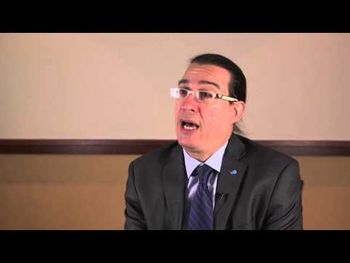

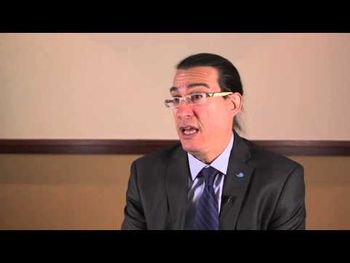


Jennifer R. Brown, MD, PhD, Dana-Farber Cancer Institute, discusses new drugs on the horizon for the treatment of patients with chronic lymphocytic leukemia (CLL).

A new study suggests that the presence of persistent genetic mutations, 30 days after induction chemotherapy, predicted relapse and survival in patients with acute myeloid leukemia (AML), as well as intermediate-risk patients.

Venetoclax (ABT-199) monotherapy showed promising phase II results, which will be submitted to regulatory agencies for patients with relapsed or refractory chronic lymphocytic leukemia (CLL) harboring the 17p deletion.
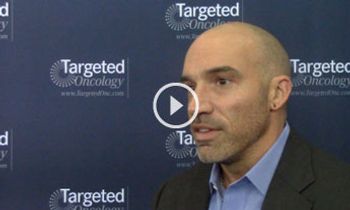
Jeffrey Jones, MD, MPH, assistant professor, Internal Medicine, section head, Chronic Lymphocytic Leukemia (CLL) research program, Ohio State University, discusses idelalisib (Zydelig) for previously treated CLL.
This review addresses the basics of CAR T-cell design and reviews data from published clinical studies in leukemia.

Treatment with the combination of idelalisib and ofatumumab demonstrated an improvement in objective response rates, progression-free survival, and lymph node response compared with ofatumumab alone in patients with previously treated chronic lymphocytic leukemia.

Treatment with ibrutinib plus the anti-CD20 antibody ublituximab was shown to be safe with an objective response rate of 95% in patients with chronic lymphocytic leukemia.

Treatment with inotuzumab ozogamicin was found to be safe and effective in a phase III study for patients with relapsed or refractory acute lymphoblastic leukemia.

The IDH2 inhibitor AG-221 has demonstrated promising response rates in patients with acute myeloid leukemia and other hematologic malignancies.

The combination of ibrutinib with bendamustin plus rituximab (BR) demonstrated a significant improvement in progression-free survival compared with BR alone in patients with pretreated chronic lymphocytic leukemia or small lymphocytic lymphoma.

While ibrutinib is a relatively new option in the treatment of B-cell NHL, it has convincing antitumor activity as a single agent in a wide variety of B-cell lymphoma subtypes and is a viable therapeutic option for patients.

Treatment with the BTK inhibitor ibrutinib could enhance the efficacy of chemoimmunotherapy without increasing toxicity for patients with chronic lymphocytic leukemia.

Venetoclax (GDC-0199/ABT-199), a Bcl-2 inhibitor, has been granted a breakthrough therapy designation by the FDA for the treatment of patients with relapsed/refractory chronic lymphocytic leukemia. The designation is specific to those patients who harbor a 17p deletion (del[17p]).

Topline findings from the phase III COMPLEMENT 2 study indicated that treatment with ofatumumab (Arzerra) plus fludarabine and cyclophosphamide significantly improved progression-free survival (PFS) compared with fludarabine and cyclophosphamide alone in patients with relapsed chronic lymphocytic leukemia (CLL).

The chimeric antigen receptor (CAR) T-cell therapy JCAR017 elicited a 91% complete remission rate in pediatric patients with relapsed/refractory acute lymphoblastic leukemia (ALL).
Progression on treatment with ibrutinib in patients with chronic lymphocytic leukemia (CLL) was associated with pretreatment BCL6 abnormalities, acquired mutations in BTK and PLCG2, and complex karyotypes.
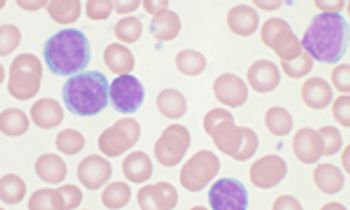
Combination therapy with ibrutinib plus bendamustine and rituximab significantly extended progression-free survival compared with BR alone in patients with chronic lymphocytic leukemia or small lymphocytic lymphoma enrolled in the phase III HELIOS trial.

Cytogenetic and molecular data are becoming increasingly important in the individualization of treatment of patients with acute myeloid leukemia (AML).

Although advances are being made in novel therapies for patients with chronic lymphocytic leukemia (CLL), standard chemotherapy remains part of the treatment paradigm, but its role is undergoing a major shift.
Advertisement
Advertisement
Trending on Targeted Oncology - Immunotherapy, Biomarkers, and Cancer Pathways
1
Anito-Cel Delivers Durable Responses With Low Neurotoxicity in RRMM
2
Risk, Histology, and Metastatic Site Guide First-Line RCC Treatment Choices
3
FDA Application Withdrawn for I-DXd in Small Cell Lung Cancer
4
Elinzanetant Gets Priority Review for VMS From Breast Cancer Endocrine Therapy
5