


GENITOURINARY CANCERS
Latest News
Advertisement
Latest Videos







































Advertisement
More News
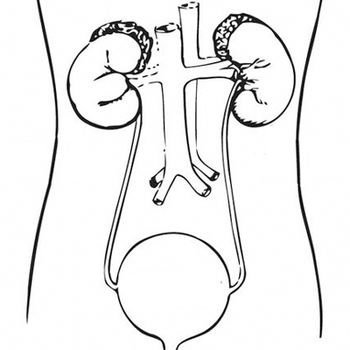
In a preliminary analysis of a phase II trial, the radiolabeled small molecule, <sup>177</sup>LuPSMA-617, demonstrated a biochemical progression-free survival of 4 months in a cohort of 64 men with metastatic castrate-resistant prostate cancer.
A phase III clinical trial evaluating cabozantinib (Cabometyx) in combination with nivolumab (Opdivo) and ipilimumab (Yervoy) in patients with previously untreated advanced renal cell carcinoma has been initiated, according to Exelixis, the developer of cabozantinib.
A look back at all the FDA news that happened in the month of April 2019, including several new approvals, a priority review, breakthrough designation, and more.
Apalutamide has been submitted for FDA approval for the treatment of patients with metastatic castration-sensitive prostate cancer.
A new drug application seeking the approval of darolutamide as a treatment for patients with nonmetastatic castration-resistant prostate cancer has been granted a priority review designation by the FDA.
The results of several studies presented at the 2019 Genitourinary Cancers Symposium confirmed that the combination of PD-1/PD-L1 checkpoint inhibitors with tyrosine kinase inhibitors of the VEGF pathway was superior to VEGF inhibitors alone in patients with clear cell renal cell carcinoma, which accounts for about 70% of patients with kidney cancer.
Since the approval of sipuleucel-T for the treatment of minimally symptomatic metastatic castration-resistant prostate cancer in 2010, barriers to administration and the approval of competing drugs has tampered wide adoption of its use.

Before a community oncology practice considers getting involved in clinical trials research, there are many factorsto consider. Perhaps foremost is the fact that cancer clinical trials provide the evidence base for new advances in oncology.
Artificial intelligence has made inroads in many industries—banking, finance, security—but its adoption in healthcare has been lagging and real-world clinical implementation has yet to become a reality. Nonetheless, proponents say it is only a matter of time and pilot programs are starting to yield some practical results.
Arjun V. Balar, MD, co-physician editor in chief of <em>Targeted Therapies in Oncology</em>, discusses recent data for bone-seeking radiopharmaceuticals in prostate cancer.
The novel targeted radiation therapy, lutetium 177 prostate-specific membrane antigen, demonstrated safety and therapeutic efficacy in 22 patients with metastatic castration-resistant prostate cancer, based on findings presented during the ESMO 2019 International Congress on Targeted Anticancer Therapies.
Edwin M. Posadas, MD, medical director, Urologic Oncology Program, co-director, Translational Oncology Program, associate professor, Medicine, Cedars-Sinai Medical Center, discusses key takeaways from the ARAMIS trial of darolutamide in high-risk nonmetastatic castration-resistant prostate cancer.

Mark T. Fleming, MD, medical oncologist, Virginia Oncology Associates, The US Oncology Research, discusses exciting data seen with antiandrogen agents for the treatment of prostate cancer.
Under the 2019 update to the National Comprehensive Cancer Network guidelines, the recommendation on the management of advanced clear cell renal cell carcinoma has undergone a major shift in defining the risk category used to define preferred and alternative first-line treatments.
The first patient has been dosed in a phase II study investigating the safety and tolerability of the novel agent LiPlaCis for the treatment of advanced or refractory prostate cancer.
The healthcare community is still awaiting a response from the Centers for Medicare & Medicaid Services to the opposition of the agency’s proposal to substantially revise the Medicare Part D protected drug classes.
Overtreating men 70 years or older with prostate cancer cost Medicare more than $1.2 billion from 2004 to 2007, according to the results of a retrospective study using the Surveillance, Epidemiology, and End Results–Medicare linked database.
According to Raoul S. Concepcion, MD, FACS, the field of castration-resistant prostate cancer continues to progress with new treatment options; next steps include tailoring these new treatment strategies to individual patients.
Based on findings from the phase III ARAMIS trial, a new drug application for darolutamide has been submitted to the FDA seeking the investigational agent's approval as a treatment for patients with nonmetastatic castration-resistant prostate cancer, according to the codevelopers of the investigational agent, Bayer and Orion Corporation.<br />
Tanya Dorff, MD, discusses recent data with olaparib (Lynparza) in castration-resistant prostate cancer and the future role of PARP inhibitors in this disease.<br />

First-line treatment with single-agent pembrolizumab induced a 24.8% overall response rate in patients with non-clear cell renal cell carcinoma, according to findings from cohort B of the phase II KEYNOTE-427 trial that were presented during the 2019 Genitourinary Cancers Symposium.<br />
According to phase I findings from a dose-escalation cohort presented during the 2019 Genitourinary Cancers Symposium, the combination of pembrolizumab and cabozantinib demonstrated antitumor activity in patients with previously treated metastatic renal cell carcinoma and is tolerated at their approved doses for this indication.
Retrospective findings reported during the 2019 Genitourinary Cancers Symposium showed patients with metastatic castration-resistant prostate cancer who received radium-223 dichloride with abiraterone acetate in a layered fashion experienced a lower rate of symptomatic skeletal events compared with those who received the treatments concurrently.
Adding enzalutamide (Xtandi) to androgen deprivation therapy led to prolonged radiographic progression-free survival compared with ADT alone in men with metastatic hormone-sensitive prostate cancer, investigators reported during the 2019 Genitourinary Cancers Symposium.
According to data from the phase III ARAMIS trial presented during the 2019 Genitourinary Cancers Symposium, darolutamide added to androgen deprivation therapy significantly improved metastasis-free survival compared with placebo plus ADT in patients with nonmetastatic castration-resistant prostate cancer.
Advertisement
Advertisement
Trending on Targeted Oncology - Immunotherapy, Biomarkers, and Cancer Pathways
1
Giredestrant Plus Everolimus Improves PFS in ER+ Advanced Breast Cancer
2
Denosumab Biosimilar Approved For Existing Oncology Indications
3
FDA Oncology Recap: Approvals, Designations, and Decisions in September 2026
4
New Drug Application Filed for Savolitinib/Osimertinib in MET+ NSCLC
5