

GENITOURINARY CANCERS
Latest News
Advertisement
Latest Videos












































Advertisement
More News


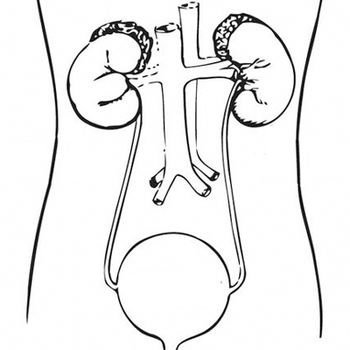
Brian I. Rini, MD, discusses atezolizumab and bevacizumab as an effective frontline combination in RCC, as well as PROs with the regimen.
Joseph F. Renzulli Jr, MD, an expert in robotic surgery for treating urologic cancers, is joining Lawrence and Memorial Hospital, an affiliate of Yale New Haven Health, in New London, Connecticut. He brings a specialized insight on diagnosing and treating prostate cancer to the growing team.
Newer MRI techniques are being tested to improve the accuracy of prostate cancer diagnosis. Three presentations during the 2018 American Urological Association Annual Meeting discussed potential approaches to reduce the need for prostate biopsies for men with prostate cancer

Charles G. Drake, MD, PhD, director of Genitourinary Oncology at New York Presbyterian/Columbia University Medical Center, discusses his thoughts on whether sunitinib would be more successful as a treatment for patients with renal cell carcinoma if used in the neoadjuvant setting.






The FDA has added PD-L1 status to the labels for pembrolizumab (Keytruda) and atezolizumab (Tecentriq) for existing frontline approvals for platinum-ineligible patients with urothelial carcinoma. The addition was made based on lower overall survival rates with the PD-1/PD-L1 inhibitors compared with platinum-based chemotherapy for patients with PD-L1–low expressing platinum-eligible urothelial carcinoma.
Three presentations during the 2018 American Urological Association Annual Meeting in San Francisco, California, together demonstrated the potential and utility of different assays to identify prostate cancer and guide treatment decisions for patients with prostate cancer. Each assay suggested a simpler and more cost-effective tool for guiding decision making in prostate cancer than immediate tissue biopsy.

Nicholas J. Vogelzang, MD, a medical oncologist at the Comprehensive Cancer Centers of Nevada, discusses the rationale behind conducting the PROSPECT trial in patients with relapsed prostate cancer. Patients enrolled in this study had prostate cancer return after hormonal ablation.

Maha H. Hussain, MB, ChB, professor of medicine and deputy director at Robert H. Lurie Comprehensive Cancer Center, discusses the current role of PARP inhibitors in clinical trials for treatment of patients with prostate cancer.

Shilpa Gupta, MD, assistant professor of Medicine in the Hematology, Oncology, and Transplantation Division, University of Minnesota, discusses phase Ib and phase II studies of pembrolizumab (Keytruda) with bevacizumab (Avastin) for the treatment of metastatic renal cell carcinoma during the 2018 ASCO Annual Meeting.
Cabozantinib has been approved by the European Commission for previously untreated patients with intermediate- or poor-risk advanced renal cell carcinoma, based on a meaningful progression-free survival improvement versus sunitinib in the CABOSUN trial, according to Ipsen, which codevelops the treatment with Exelixis.
A new formulation of abiraterone acetate in combination with methylprednisolone has been approved by the FDA as a treatment for men with metastatic castration-resistant prostate cancer, according to Sun Pharma, the company commercializing the treatment.

According to results from the Annual Report to the Nation on the Status of Cancer, cancer incidence rates have declined in men while remaining stable in women. Additionally, there have been significant declines in cancer death rates, but differences between race and ethnic groups remain.
Advertisement
Advertisement
Trending on Targeted Oncology - Immunotherapy, Biomarkers, and Cancer Pathways
1
Denosumab Biosimilar Approved For Existing Oncology Indications
2
Giredestrant Plus Everolimus Improves PFS in ER+ Advanced Breast Cancer
3
FDA Oncology Recap: Approvals, Designations, and Decisions in September 2026
4
Plinabulin Receives FDA Fast Track Designation in Post-ICI NSCLC
5