



GENITOURINARY CANCERS
Latest News
Advertisement
Latest Videos





































Advertisement
More News




Lung Cancer

Based on results of the phase III SPARTAN trial, apalutamide has been approved by the FDA for the treatment of patients with nonmetastatic castration-resistant prostate cancer, making it the first treatment to be approved in this setting.<br />
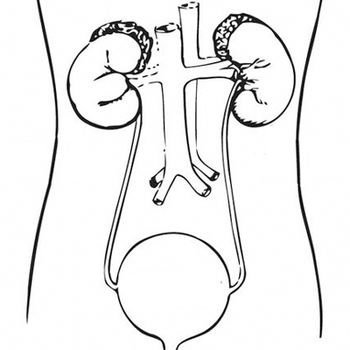
According to results of the randomized phase II CABOSUN trial,<span style="font-size:10.8333px"> </span>PFS was improved with sunitinib as initial systemic therapy across subgroups of patients with intermediate- and poor-risk advanced renal cell carcinoma. The advantage to cabozantinib on PFS was particularly strong in patients who were MET-positive.
Updated findings from the phase III KEYNOTE-045 trial confirmed the benefit of pembrolizumab (Keytruda) compared with chemotherapy in pretreated patients with locally advanced or recurrent urothelial cancer. Two-year follow-up of the trial presented at the 2018 Genitourinary Cancers Symposium demonstrated that overall survival was improved with pembrolizumab.
Results from a phase II study presented at the 2018 Genitourinary Cancers Symposium, demonstrated that durvalumab, a PD-L1 inhibitor, had synergy in combination with the PARP inhibitor olaparib in unselected men with metastatic castration-resistant prostate cancer.
In findings from the STAMPEDE trial, a trial that has enrolled more than 9000 men with M0 and M1 prostate cancer since 2005, the addition of docetaxel (Taxotere) to frontline long-term hormone therapy improved quality of life and reduced the need for subsequent therapy in patients with advanced prostate cancer. This has led to lower overall costs in the nonmestatic setting.

During the 2018 Genitourinary Cancers Symposium, Monika Joshi, MD, assistant professor, Penn State Hershey Medical Center, shared results of a phase Ib study of durvalumab (Imfinzi) and radiation therapy (DUART) followed by adjuvant durvalumab in patients with bladder cancer.
In findings from the phase III SPARTAN trial presented at the 2018 Genitourinary Cancers Symposium and published in the <em>New England Journal of Medicine, </em>apalutamide (Erleada) reduced the risk of metastasis or death by 72% in patients with nonmetastatic castration-resistant prostate cancer.
In findings from the phase III PROSPER trial released ahead of the 2018 Genitourinary Cancers Symposium, the enzalutamide (Xtandi) and androgen deprivation therapy (ADT) combination reduced the risk of metastases or death by 71% compared with ADT alone for the treatment of patients with nonmetastatic castration-resistant prostate cancer (CRPC).
As stated in findings from IMmotion151, a phase III open-label study, the combination of atezolizumab (Tecentriq) and bevacizumab (Avastin) induced a 26% reduction in the risk of progression or death compared with sunitinib (Sutent) for patients with untreated PD-L1–positive metastatic renal cell carcinoma. This study was released ahead of the 2018 Genitourinary Cancers Symposium.
The combination of abiraterone acetate in combination with prednisone and androgen deprivation therapy has been approved by the FDA as a treatment for men with high-risk castration-sensitive prostate cancer.
Treatment with cabozantinib induced similar quality of life results as treatment with everolimus in patients with advanced renal cell carcinoma, according to results of the randomized, open-label, international phase III METEOR trial.
Circulating tumor cell conversion and CTC value ≥ 1 at baseline were superior predictors of overall survival than PSA in men with metastatic castration-resistant prostate cancer, according to an analysis of results from 5 clinical trials.<br />

Charles J. Ryan, MD, will soon be joining the University of Minnesota Medical School as director of the Hematology, Oncology, and Transplantation Division in the Department of Medicine, effective April 2018.
David F. McDermott, MD, shares some of the successes with immunotherapy in RCC and gave his insight on the future treatment of these patients.
Rana R. McKay, MD, discusses the evolving management of patients with advanced RCC, specifically the future of combinations with immunotherapy regimens.
According to results of a subgroup analysis of the phase III METEOR trial, cabozantinib (Cabometyx) demonstrated a 4.7 month improvement in progression-free survival compared with everolimus (Afinitor) in pretreated patients with advanced renal cell carcinoma with bone metastases at baseline.
According to results from the phase I JAVELIN Solid Tumor study recently published in the Lancet Oncology, the PD-L1 inhibitor avelumab (Bavencio) induced an overall response rate of 17% in patients with platinum-refractory metastatic urothelial carcinoma.
Advertisement
Advertisement
Trending on Targeted Oncology - Immunotherapy, Biomarkers, and Cancer Pathways
1
Denosumab Biosimilar Approved For Existing Oncology Indications
2
Giredestrant Plus Everolimus Improves PFS in ER+ Advanced Breast Cancer
3
FDA Oncology Recap: Approvals, Designations, and Decisions in September 2026
4
New Drug Application Filed for Savolitinib/Osimertinib in MET+ NSCLC
5