


GENITOURINARY CANCERS
Latest News

Advertisement
Latest Videos





































Advertisement
More News

More Stage I cancers were diagnosed after the passage of the Affordable Care Act within 5 screenable disease types (colorectal cancer, female breast cancer, cervical cancer, lung cancer, and prostate cancer) than were diagnosed before ACA implementation.
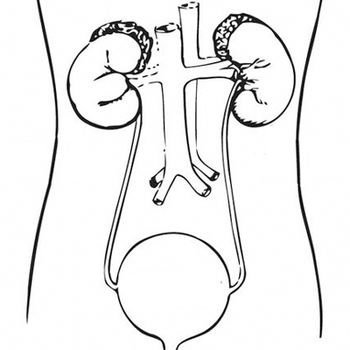
Based on results from Maslach Burnout Inventory (MBI) questions included as part of the 2016 American Urological Association (AUA) Census, burnout rates among urologists are lower than previously reported, but the issue still remains important.
Bradley C. Leibovich, MD, discusses the benefits of surgery and the need for more effective drug treatments for patients with metastatic renal cell carcinoma.
Pam Profusek, RN, MS, discusses how to manage the AEs associated with immunotherapy agents, like durvalumab.
Atezolizumab failed to meet the primary endpoint of improving overall survival in the second-line setting for patients with locally advanced or metastatic urothelial carcinoma.
An accelerated approval for the PD-L1 inhibitor avelumab (Bavencio) has been granted by the FDA for the treatment of patients with locally advanced or metastatic urothelial carcinoma.
Matthew I. Milowsky, MD, discusses advances with checkpoint inhibitors in the treatment paradigm for urothelial cancer.
Wassim Abida, MD, PhD, discusses how genetic testing can benefit patients with prostate cancer and their families, and the challenges that still need to be addressed in this area.
Joshua Armenia, PhD, discusses an analysis that uncovered 23 genes that have not been previously identified as significantly mutated in prostate cancer.
The presence of androgen receptor splice variant-7 mRNA in circulating tumor cells was associated with poorer outcomes for men with castration-resistant prostate cancer assigned to novel hormonal therapies.
Leonard Gomella, MD, discusses the future of biomarkers in prostate cancer.
Robert Dreicer, MD, discusses emerging treatments for patients with advanced mCRPC.
The US Preventive Services Task Force (USPSTF) may move away from its long-standing opposition to routine PSA screening for prostate cancer in some men.
Celestia Higano, MD, discusses the early use of chemotherapy, the potential for PARP inhibitors, and the evolving role of radium-223 in prostate cancer.
Daniel A. Barocas, MD, discusses a study that compared differences in quality of life among patients who have undergone radical prostatectomy, external beam radiotherapy, brachytherapy or active surveillance for low-risk prostate cancer.
Evan Y. Yu, MD, discusses the current treatment options for metastatic urothelial carcinoma, the unmet needs that still exist in this space, and the possibilities for the future treatment landscape.
The antibody-drug conjugate sacituzumab govitecan demonstrated an overall response rate of 31% in heavily pretreated patients with metastatic urothelial cancer.
Susan F. Slovin, MD, PhD, offers her expert insight on the current state of immunotherapy in prostate cancer.
James B. Yu, MD, discusses the current data in support of using moderate hypofractionation in prostate cancer, as well as recent data showing how genomic testing can help with treatment decision making postoperatively.
Andrea Apolo, MD, discusses promising early data demonstrating the activity and safety of cabozantinib and nivolumab, with or without ipilimumab, in bladder cancer and other advanced genitourinary cancers.<br />
The American Urological Association has announced Ian M. Thompson Jr., MD, has been appointed to the National Cancer Institute’s (NCI) Board of Scientific Advisors.
A novel tissue-preserving treatment, padeliporfin vascular-targeted photodynamic therapy, may offer men with low-risk prostate cancer a safe and effective alternative to either active surveillance or radical therapy.
Robert Dreicer, MD, discusses ongoing developments in mCRPC, including the latest approaches with radium-223.

A prostate-specific antigen nadir greater than 0.5 ng/mL following radiation and androgen deprivation therapy seems to identify men prior to PSA failure who are at high-risk for death, and would thus require more aggressive treatment for their prostate cancer.
Tudor Borza, MD, discusses the major findings of his study that found a sharp decline in the overall rate of men receiving treatment for prostate cancer and his stance on the importance of prostate cancer screening and treatment.
Advertisement
Advertisement
Trending on Targeted Oncology - Immunotherapy, Biomarkers, and Cancer Pathways
1
Denosumab Biosimilar Approved For Existing Oncology Indications
2
FDA Oncology Recap: Approvals, Designations, and Decisions in September 2026
3
Giredestrant Plus Everolimus Improves PFS in ER+ Advanced Breast Cancer
4
Plinabulin Receives FDA Fast Track Designation in Post-ICI NSCLC
5