



IMMUNOTHERAPY
Latest News
Advertisement
Latest Videos





























Advertisement
More News

Immunotherapy for cancer has been studied in the laboratory and in early-phase trials for decades. Larger trials were not often successful enough, though in the last five years, a revolution has centered around the clinical success of checkpoint blockade with CTLA-4 and PD-1 antibodies.

Squamous cell carcinoma of the head and neck (SCCHN) is an immunosuppressive disease, as its patients often demonstrate immune dysregulation that correlates with poorer outcomes. Trials are underway combining chemoradiotherapy with immune checkpoint inhibitors.

Treatment with the PD-1 inhibitor nivolumab demonstrated an objective response rate of 9% as a second-line therapy for patients with hepatocellular carcinoma.
The Society for Immunotherapy of Cancer (SITC) is the world's leading member-driven organization dedicated to professionals working in the field of cancer immunotherapy. A 501(c)(3) non-profit organization, SITC was established in 1984 to advance the science, development, and application of tumor immunology and cancer immunotherapy. SITC aims to make cancer immunotherapy a standard of care and the word "cure" a reality.
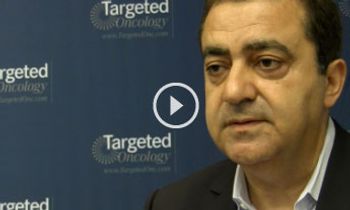
Anas Younes, MD, medical oncologist at Memorial Sloan Kettering Cancer Center in New York, discusses the potential impact of CheckMate-205 nivolumab as a treatment for patients with Hodgkin lymphoma.

A variety of dual immunotherapy combination regimens are currently under exploration that could build upon the success seen with the addition of the CTLA-4 inhibitor ipilimumab (Yervoy) to PD-1 blockade with nivolumab (Opdivo) for the treatment of patients with advanced melanoma.
A phase Ib trial shows strong potential for the use of utomilumab in combination with pembrolizumab (Keytruda) for patients with advanced solid tumors, according to Anthony Tolcher, MD.

Janice Mehnert, MD, medical oncologist, director, Phase I and Developmental Therapeutics Program, Rutgers Cancer Institute, discusses the challenges with finding biomarkers for immunotherapy agents.

Current progress on targeted and immunotherapy agents for the treatment of sarcomas from the 2016 ASCO Annual Meeting were discussed with Jonathan C. Trent, MD, PhD.
The combination of ipilimumab (Yervoy) and nivolumab (Opdivo) continues to show promise, with recent data demonstrating a 26% improvement in overall survival (OS) with the 2 drugs compared with ipilimumab alone for patients with advanced melanoma.
The National Institute for Health and Care Excellence (NICE) has approved the combination of nivolumab (Opdivo) and ipilimumab (Yervoy) for patients with metastatic melanoma, which allows the combination to be used within the National Health Service (NHS).

Choosing between immunotherapy and targeted therapy in the frontline setting for patients with BRAF-mutated melanoma does not have to be a guessing game, according to Keith T. Flaherty, MD.
Adding utomilumab (PF-05082566), a 4-1BB agonist, to pembrolizumab (Keytruda), a PD-1 inhibitor, was shown to be a safe and effective combination therapy for patients with different types of advanced solid tumors, according to findings from a phase Ib study presented at the 2016 ASCO Annual Meeting.
Findings for the new immunotherapy agent targeting claudin18.2 (CLDN18.2) presented at the 2016 ASCO Annual Meeting raised the possibility of a new therapeutic agent in a tumor type with relatively few current options. When added to standard chemotherapy, the treatment reduced the risk of death or disease progression by approximately 50% for patients with CLDN18.2-positive advanced gastric cancers.
A phase Ib expansion cohort of the Keynote-029 trial found that a combined regimen of pembrolizumab (Keytruda) at the standard dose (2 mg/kg) and ipilimumab (Yervoy) at a reduced dose (1 mg/kg) was safe and effective for patients with advanced melanoma.

The combinations of nivolumab (Opdivo) plus ipilimumab (Yervoy) and pembrolizumab (Keytruda) plus bevacizumab (Avastin ), both show promising efficacy in recent trials, possibly paving the way toward a new era of treatment for patients with glioblastoma.
Avelumab showed early positive survival data and lasting responses for patients with pretreated advanced or metastatic Merkel cell carcinoma, according to findings from the phase II JAVELIN Merkel 200 trial presented at the 2016 ASCO Annual Meeting.
Pembrolizumab (Keytruda), when studied in 2 clinical trials for the treatment of patients with pretreated recurrent or metastatic head and neck squamous cell carcinoma (HNSCC), showed an objective response rate (ORR) of 18%, according to findings presented at the 2016 ASCO Annual Meeting.
Nivolumab (Opdivo) treatment provided antitumor responses in patients with microsatellite instability-high (MSI-H) metastatic colorectal cancer (mCRC), whether given as a single agent or in combination with ipilimumab (Yervoy). Interim data from the phase II CheckMate-142 trial was presented at the 2016 ASCO Annual Meeting.
Patients with recurrent glioblastoma mutliforme reacted well to nivolumab (Opdivo) monotherapy, according to findings from the CheckMate-143 trial that were presented at the 2016 ASCO Annual Meeting. The single agent showed a manageable safety profile and promising efficacy signs during the course of the study.
Discontinuing nivolumab-ipilimumab treatment because of adverse events did not have a detrimental effect on survival among patients with advanced melanoma, follow-up from a randomized trial showed.
In a phase Ib study, combining talimogene laherparepvec (T-VEC), an oncolytic virus, with pembrolizumab at full doses had an acceptable safety profile, with evidence of clinical benefit in patients with advanced melanoma.
Infusion with 19-28z chimeric antigen receptor (CAR) modified T-cells led to complete response (CR) rates of 77% to 90% and minimal residual disease (MRD)-CR rates of 68% to 70% in adult patients with relapsed or refractory B-cell acute lymphocytic leukemia (B-ALL).
The phase I KEYNOTE-022 study, which tested pembrolizumab (Keytruda) in combination with dabrafenib (Tafinlar) and trametinib (Mekinist) for BRAF-mutant advanced melanoma, has shown a manageable toxicity profile in patients with BRAF V600-mutant melanoma.
Nivolumab (Opdivo) monotherapy showed improved overall survival (OS) and objective response rates for patients with recurrent or metastatic head and neck squamous cell carcinoma (HNSCC) compared with the investigator's choice of alternative therapy, according to data presented at the 2016 ASCO Annual Meeting.
Advertisement
Advertisement
Trending on Targeted Oncology - Immunotherapy, Biomarkers, and Cancer Pathways
1
FDA Accepts NDA for Daraxonrasib in Metastatic Pancreatic Cancer
2
Teclistamab/Talquetamab Reduces Risk of Progression by 89% in R/R Multiple Myeloma
3
Advanced Renal Cell Carcinoma: Tailoring Second-Line Therapy After Prior Immunotherapy
4
Updated HARMONi Analysis Shows Consistent OS Benefit With Ivonescimab in EGFRm Lung Cancer
5