



Prostate Cancer
Latest News
Advertisement
Latest Videos













































Advertisement
More News
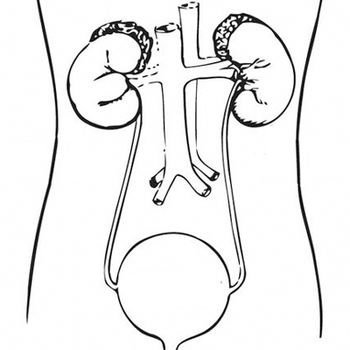
In an interview with <em>Targeted Oncology</em>, Julio Pow-Sang, MD, chair of Urological Oncology at Moffitt Cancer Center, discussed the significance of assessing risk status, options for patients whose risk status falls in a “grey-zone,” and how technology is helping oncologists more accurately characterize risk.
In an interview with <em>Targeted Oncology</em>, Richard Levine, MD, medical director, Moffitt International Plaza, Moffitt Cancer Center, discussed the selection of therapies available for patients with metastatic castration-resistant prostate cancer (mCRPC) and the next steps in the field.

Pfizer has announced plans to acquire the biopharmaceutical company Medivation, which is the developer of the androgen receptor inhibitor enzalutamide (Xtandi). Under the terms of the agreement, Pfizer will pay $81.50 per share in cash for Medivation, totaling approximately $14 billion. Both companies agreed to the transaction, which is expected to complete later this year.
<p>Approximately four years after the FDA approval of two powerful new oral androgen-targeting agents for metastatic castration-resistant prostate cancer, an analysis heightened clinical awareness of the potential for both under-treatment and over-treatment with abiraterone acetate, as well as potential drug-drug interactions with both abiraterone acetate and enzalutamide.</p>

Across the fields of renal cell carcinoma, bladder cancer, and prostate cancer, immunotherapy agents are moving through the pipeline and impacting patient outcomes—some quicker than others.
For patients with prostate cancer, prostatectomy—whether laparoscopic or robotic—can provide a significant clinical benefit.
The pivotal phase III prostate cancer trial ARMO 3-SV will be discontinued based on recommendations made by the trial's independent data monitoring committee.

Christopher E. Barbieri, MD, PhD, surgeon, researcher in prostate cancer, Sandra and Edward Meyer Cancer Center at Weill Cornell Medicine and New-York Presbyterian, discusses the role of PARP inhibitors in castration-resistant prostate cancer.
Over the past several years, the FDA approval of several novel agents has revolutionized the treatment of patients with metastatic castration-resistant prostate cancer.

<p>Charles J. Ryan, MD, professor of Clinical Medicine, Urology, Helen Diller Family Comprehensive Cancer Center at the University of California, San Francisco, discusses the role of abiraterone acetate in the treatment of patients with prostate cancer, and the questions that remain about its use.</p>
While the United States Preventative Services Task Force has taken a stand against routine prostate-specific antigen screening for prostate cancer, updated findings from the landmark Prostate, Lung, Colorectal, and Ovary screening trial could flip opinions.
The phase III ARMOR 3-SV trial for prostate cancer was not likely to meet its primary endpoint of radiographic progression-free survival (PFS) improvement, the trial’s independent data monitoring committee (DMC) decided, leading to the trial’s discontinuation, according to the manufacturer Tokai Pharmaceuticals.
A study of apalutamide (ARN-509) in patients with high-risk, localized, or locally advanced prostate cancer who are receiving primary radiation therapy is hoping to reduce the risk of metastasis and death from prostate cancer for these high-risk patients, according to the study’s global principal investigator, Howard M. Sandler, MD.
There have been limited successes made in immunotherapy in the treatment of patients with prostate cancer so far, but progress is being made, explains Akash Patnaik, MD, PhD, an assistant professor of Medicine at the University of Chicago Medicine.
Radium-223 dichloride has proved to be a game-changer in the radiopharmaceutical scene, specifically with the treatment of patients with metastatic castration-resistant prostate cancer.
Metastatic Prostate Cancer with Charles Ryan, MD and William K. Oh, MD


Advertisement
Advertisement
Trending on Targeted Oncology - Immunotherapy, Biomarkers, and Cancer Pathways
1
Plinabulin Receives FDA Fast Track Designation in Post-ICI NSCLC
2
Denosumab Biosimilar Approved For Existing Oncology Indications
3
FDA Oncology Recap: Approvals, Designations, and Decisions in September 2026
4
Tile-Based Radiation Improves Local Control in Resected Brain Metastases
5