
Final overall survival data for PEACE-3 (NCT02194842) evaluating the combination of enzalutamide (Xtandi) and radium-223 (Xofigo) will be presented at the 2026 ASCO GU Cancers Symposium.

Final overall survival data for PEACE-3 (NCT02194842) evaluating the combination of enzalutamide (Xtandi) and radium-223 (Xofigo) will be presented at the 2026 ASCO GU Cancers Symposium.

Anticipated findings from the LITESPARK-011 trial (NCT04586231) to be presented during the 2026 ASCO Genitourinary Cancers Symposium could shift second-line approaches in metastatic renal cell carcinoma.
Actinium-225 is a targeted and highly-potent alpha emitter that holds promise for patients who do not respond to lutetium-177 therapy.
Highlights from the 2026 ASCO Genitourinary Cancer Symposium featuring key presentations in bladder, kidney, prostate, and rare cancers.
The rationale for KEYNOTE-B15 is to determine whether perioperative enfortumab Bedouin (Padcev) and pembrolizumab (Keytruda) can improve outcomes in patients with muscle-invasive bladder cancer compared with standard of care.
Funda Meric-Bernstam, MD, discusses updated findings from the phase 1 TROPION-PanTumor01 study of datopotamab deruxtecan-dlnk in heavily pretreated locally advanced or metastatic urothelial cancer.
Casdatifan, a HIF-2α inhibitor, shows early clinical activity and good tolerance in patients with previously treated clear cell renal cell carcinoma.
Shilpa Gupta, MD, discusses the key takeaways from the long-term outcomes of the JAVELIN Bladder 100 trial for community oncologists.
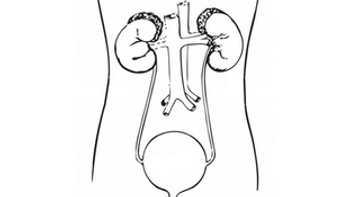
Studies from Munich University highlighted quality of life in bladder and prostate cancer at ASCO 2025 Genitourinary Cancers Symposium.
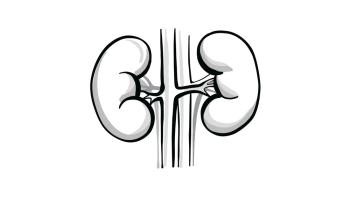
Avelumab plus axitinib was effective and safe in real-world advanced kidney cancer, with outcomes matching clinical trials, according to AVION study findings.
Olanzapine may help manage adverse effects from tyrosine kinase inhibitors, though further randomized, placebo-controlled studies are needed to confirm these findings.
Avelumab maintenance with axitinib interruption was feasible in metastatic renal cell carcinoma responders, according to updated phase 2 TIDE-A study results.
Proactive onco-coaching did not improve quality of life but was linked to better overall survival in patients with metastatic renal cell carcinoma.
Tivozanib at 1.34 mg showed greater antitumor activity than 0.89 mg, with similar hypertension rates, in kidney cancer.

Over 90% adherence to relugolix in patients with Medicare with prostate cancer for 24 months supports its use as androgen deprivation therapy, per real-world study data.
Avelumab plus best supportive care improved survival vs best supportive care alone in advanced urothelial carcinoma, regardless of diabetes status.
Third-line enfortumab vedotin improved outcomes in metastatic urothelial carcinoma, per real-world data from the EV-301 trial.
OPTYX study shows many patients with advanced prostate cancer preferred oral relugolix over injectables for androgen deprivation therapy.
Lenvatinib plus pembrolizumab showed activity and a favorable safety profile in nonmetastatic clear cell renal cell carcinoma, per phase 2 study results.
Cemiplimab plus chemotherapy showed efficacy and consistent safety in advanced penile cancer in the phase 2 EPIC trial.
Tivozanib plus nivolumab had similar patient-reported outcomes to tivozanib alone in advanced kidney cancer after prior treatment, according to the TiNivo-2 study.
Belzutifan plus cabozantinib maintained durable antitumor activity in advanced clear cell renal cell carcinoma, per phase 3 LITESPARK-003 data.
Cabozantinib plus nivolumab and ipilimumab maintained a progression-free survival benefit at 45 months vs placebo in advanced kidney cancer.
Nivolumab plus cabozantinib improved long-term efficacy and safety vs sunitinib in advanced renal cell carcinoma, per final CheckMate 9ER trial results.
Lenvatinib plus belzutifan showed durable activity and a consistent safety profile in advanced clear cell renal cell carcinoma after prior treatment.
Enfortumab vedotin plus pembrolizumab doubled progression-free survival vs chemotherapy in urothelial cancer.
Datopotamab deruxtecan showed promising activity in advanced urothelial cancer in a phase 1 study.
UGN-102 led to durable responses in low-grade, intermediate-risk bladder cancer, per phase 3 study findings at the 2025 Genitourinary Cancers Symposium.
Prostate-specific antigen responses were similar between transdermal estradiol and hormone therapy combined with androgen receptor inhibitors in prostate cancer.
Thomas Hutson, DO, PharmD, discusses key takeaways from the phase 3 CLEAR trial evaluating lenvatinib plus pembrolizumab in patients with advanced renal cell carcinoma.