
Darlifarnib may enable the rechallenging of patients with cabozantinib in a combination context for patients with clear cell renal cell carcinoma.

Darlifarnib may enable the rechallenging of patients with cabozantinib in a combination context for patients with clear cell renal cell carcinoma.
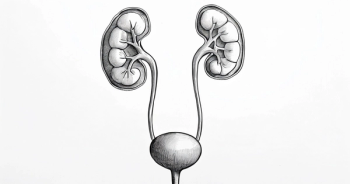
XmAb819 shows promising antitumor activity and manageable safety in clear cell renal cell carcinoma patients, highlighting its potential in future therapies.
Immunotherapy shows significant survival benefits for metastatic chromophobe renal cell carcinoma patients with sarcomatoid features, suggesting a potential predictive biomarker.
A study reveals cabozantinib plus nivolumab shows a 71% response rate in fumarate hydratase-deficient renal cell carcinoma, promising survival outcomes.
Arnab Basu, MD, MPH, FACP, discusses molecular residual disease-guided adjuvant therapy in patients with renal cell carcinoma, highlighting the rationale and goals of the MRD gate RCC clinical trial.
Early trials are exploring the benefit of chimeric antigen receptor T-cell therapy in advanced renal cell carcinoma.
In a presentation at the 2023 International Kidney Cancer Symposium, Maxine Sun, PhD, MPH, discussed the relationship between clonal hematopoiesis in patients with kidney cancer and their risk for cardiac events.
The RCC Cancer Immunity Cycle may inform the treatment and development of novel therapies in renal cell carcinoma moving forward.
An expert discussed how the use of circulating tumor DNA in patients with RCC may help guide whether treatment should be intensified or deescalated.

Alan Tan, MD, discusses areas of interest in the research and development of circulating tumor DNA in renal cell carcinoma.
Results unveiled at the 2023 International Kidney Cancer Symposium revealed that patients with advanced clear cell renal cell carcinoma in the 200-mg dose group achieved an overall response rate of 23.1% based on blinded independent central review.
In a presentation at the 2023 International Kidney Cancer Symposium, Jaleh Fallah, MD, discussed the regulatory agency’s evaluation of data from the phase 2 LITESPARK-004 trial, which led to the approval of belzutifan.
Patients with advanced clear cell renal cell carcinoma treated with zanzalintinib had experienced promising antitumor activity with manageable toxicity regardless of prior treatment with cabozantinib.
An expert discussed how recent studies in patients with translocation RCC, a rare type of RCC, have demonstrated that the disease responds well to immune checkpoint inhibitors, but more focus is needed on novel targets to treat it.

Results presented at the 2022 International Kidney Cancer Symposium show tivozanib continues to demonstrate progression-free survival benefit over sorafenib in relapsed or refractory renal cell carcinoma.
After approximately 33 months of extended follow-up in the CLEAR study, investigators say lenvatinib plus pembrolizumab should be considered a standard of care option for frontline advanced renal cell carcinoma.
Subsequent therapy rates were lower in patients with advanced renal cell carcinoma treated with the combination of lenvatinib and pembrolizumab vs those who received sunitinib in the CLEAR trial.
The newly launched phase 2 LenCabo study of lenvatinib with everolimus vs cabozantinib for the second- or third-line treatment of metastatic renal cell carcinoma.
Post hoc CheckMate 214 results show that nivolumab plus ipilimumab extend progression and overall survival in patient with advanced sarcomatoid renal cell carcinoma who have not be previously treated.
During a debate at the 2022 International Kidney Cancer Symposium, Yousef Zakharia, MD and Rana M. McKay, MD presented argument for the use of doublets or triplets in patients with renal cell carcinoma.canc
Compared with systemic therapy administered after cytoreductive nephrectomy, active surveillance was an option for some patients with metastatic renal cell carcinoma.
Compared with sunitinib, the combination of nivolumab an ipilimumab produced better long-term responses, with overall survival approaching 5 years.
New findings suggest that understanding subtypes of non-clear cell renal cell carcinoma is important for personalizing treatment.
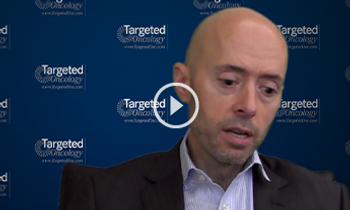
James Brugarolas, MD, PhD, discusses updated survival data in patients with metastatic renal cell carcinoma.
The frontline combination of lenvatinib and pembrolizumab is under investigation as a treatment option for patients with non-clear cell renal cell carcinoma in the recently launched phase 2 KEYNOTE-B61 trial.
While immunotherapy has high and durable response rates, most patients die of the disease.
During a presentation at the 2021 International Kidney Cancer Symposium, Bradley McGregor, MD, discussed analyses of outcomes based on histology in major RCC clinical trials, and how this approach will shape the future of treatment.

Naomi B. Haas, MD, medical oncologist, discusses the potential benefits of lenvatinib for the treatment of renal cell carcinoma.
Limited data exists on the effects of palliative care in patients with kidney cancer, and more research is needed.
Investigators of the CheckMate 920 trial found no differences in safety signals or responses with modified dosing of nivolumab and ipilimumab compared with the standard dose in patients with advanced renal cell carcinoma treated in the frontline.