
Explore the innovative subcutaneous delivery of isatuximab for multiple myeloma, enhancing patient experience and treatment efficiency in the IRAKLIA study.

Explore the innovative subcutaneous delivery of isatuximab for multiple myeloma, enhancing patient experience and treatment efficiency in the IRAKLIA study.

Dale Shepard, MD, PhD, discusses the key themes emerging from the 2025 ASCO Annual Meeting, highlighting a prevailing sense of optimism driven by ongoing research.


Erika Hamilton, MD, shares key insights from the 2025 ASCO Annual Meeting that are set to impact breast cancer treatment.

Pedro C. Barata, MD, MSc, discusses a typical process for an oncologist to patients who are newly diagnosed with metastatic hormone-sensitive prostate cancer.

Asciminib shows significant safety and efficacy advantages over nilotinib in treating newly diagnosed chronic myeloid leukemia, promising a new standard of care.

Jeremy S. Abramson, MD, discusses pivotal advancements in DLBCL from the 2025 American Society of Clinical Oncology Annual Meeting.
Alicia Morgans, MD, MPH, discusses a potentially practice-changing abstract from the 2025 American Society of Clinical Oncology Annual Meeting: the AMPLITUDE trial.

Shahzad Raza, MD, discusses new data from the phase 2 RedirecTT-1 study of talquetamab with teclistamab for the treatment of patients with relapsed/refractory multiple myeloma and extramedullary disease.

Christina Poh, MD, discusses the recent FDA approval of tafasitamab plus lenalidomide and rituximab in relapsed/refractory follicular lymphoma.

Premal Thaker, MD, MS, discusses important implications and takeaways of the phase 1/2 OVATION study of IMMN-1 in addition to chemotherapy for the treatment of newly diagnosed epithelial ovarian cancer.
Erika Hamilton, MD, discusses the mechanism of action of emiltatug ledadotin, a B7-H4-directed Dolasynthen antibody-drug conjugate.

Alicia Morgans, MD, MPH, discusses new data that shows darolutamide with ADT significantly improves quality of life and delays pain for patients with metastatic hormone-sensitive prostate cancer.

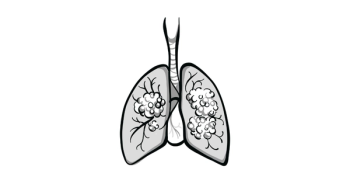
Sevabertinib shows promise as a targeted therapy for HER2-mutant non-small cell lung cancer, addressing significant treatment gaps in this area.

Jeremy S. Abramson, MD, discusses the significant 2-year follow-up results from the phase 3 STARGLO trial in DLBCL.

Jacob E. Berchuck, MD, discusses research on plasma epigenomic profiling in metastatic castration-resistant prostate cancer.
Jamie Jacobs, PhD, provides background on a digital intervention for caregivers of patients undergoing bone marrow transplant.

Advancements in cancer care focus on precise detection of measurable residual disease, enhancing monitoring and relapse prediction through innovative technologies and AI integration.

Douglas Adkins, MD, discusses future directions of the KEYNOTE-689 trial of pembrolizumab in head and neck cancer following the agent's FDA approval.
David Andorsky, MD, discusses efficacy and safety findings from the ASC2ESCALATE study of asciminib in chronic myeloid leukemia.
David Andorsky, MD, discusses the dose escalation design of the ASC2ESCALATE study exploring asciminib's role in chronic myeloid leukemia.

A new platform comprehensively profiles CAR T-cells during manufacturing, revealing phenotypic shifts. This allows for shorter timelines, better outcomes, and personalized therapies.
Ravindra Uppaluri, MD, PhD, discusses findings from the KEYNOTE-689 trial in adult patients with resectable, locally advanced head and neck squamous cell carcinoma.
Ravindra Uppaluri, MD, PhD, discusses the background regarding locally advanced head and neck cancer and what the trial design of KEYNOTE-689 entailed.