
John Burke, MD, discusses his editor-in-chief column from the July 2025 issue of Targeted Therapies in Oncology.

John Burke, MD, discusses his editor-in-chief column from the July 2025 issue of Targeted Therapies in Oncology.
John M. Burke, MD, discusses the FDA ODAC's decision on the use of daratumumab in high-risk smoldering multiple myeloma and its implications for clinical practice.
Unpredictable FDA and funding woes delay crucial drug approvals, depriving thousands of patients access to vital treatments for diseases like colon cancer.
Benjamin Schlechter, MD, discusses the safety and efficacy findings from the C-800-01 phase 1 trial evaluating botensilimab and balstilimab in colorectal cancer.

Mariam Eskander, MD, explores how food insecurity and geographic barriers hinder breast cancer trial participation, highlighting urgent needs for systemic change.
Botensilimab/balstilimab (BOT/BAL) synergistically activate and sustain immune attack, offering a promising new strategy for various cancers.

A recent study highlights disparities in federal cancer funding, revealing that high-mortality cancers like lung and liver are significantly underfunded.
Benjamin Schlechter, MD, discusses the unmet needs and treatment gaps for patients with colorectal cancer.
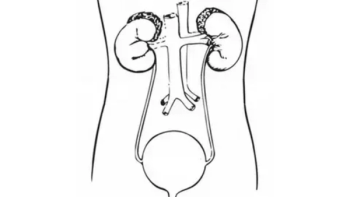
A recent study reveals low rates of upper tract urothelial carcinoma in non-muscle-invasive bladder cancer, prompting a reevaluation of routine imaging practices.
Arturo Loaiza-Bonilla, MD, MSEd, discusses the significant advancements and ongoing efforts in integrating artificial intelligence into oncology.
Michael Caligiuri, MD, discusses the modulation of natural killer cells to enhance their ability to detect and destroy tumor cells.
ASCO 2025 showcased breakthroughs in sarcoma treatment, emphasizing precision medicine, immunotherapy, and promising new therapies for rare cancers.

Rajshekhar Chakraborty, MD, discusses the safety and tolerability of linvoseltamab with carfilzomib when used for the treatment of patients with relapsed/refractory multiple myeloma.
Innovative research explores targeted therapies for early triple-negative breast cancer, aiming to reduce toxicity while enhancing treatment efficacy.
Alicia Morgans, MD, MPH, covers what sets darolutamide apart from other androgen receptor inhibitors.

Jacob E. Berchuck, MD, highlights novel findings pointing to androgen receptor signaling and Wnt pathway activation as key correlates of poor response to therapy.
Alicia Morgans, MD, MPH, discusses how the ARANOTE trial not only demonstrated clinical efficacy for the combination of ADT and darolutamide, but also highlighted key quality-of-life benefits that could help inform patient and physician conversations.

Immunotherapy shows promise in reducing recurrence rates for high-risk skin cancer, despite mixed results in recent clinical trials.

Following the FDA ODAC's vote against belantamab mafodotin-based combinations in relapsed/refractory multiple myeloma, George Mulligan, PhD, provides insight into the agent's potential path foward.
Alicia Morgans, MD, MPH, discusses the ARANOTE trial.

Emiltatug ledadotin shows promising antitumor activity in various cancers, with manageable safety, highlighting its potential in targeted therapy advancements.

Emiltatug ledadotin demonstrated promising antitumor activity and a manageable safety profile in a phase 1 dose-escalation trial.

Shahzad Raza, MD, discusses the phase 2 RedirecTT-1 study which investigated the combination of talquetamab and teclistamab for treating patients with relapsed/refractory multiple myeloma complicated by extramedullary disease.

Researchers explore glioblastoma's genetic complexity using innovative spatial profiling, aiming to enhance treatment strategies and understand tumor resistance.
George Mulligan, PhD, previews the FDA's ODAC meeting discussing the application of belantamab mafodotin-based combinations for the treatment of multiple myeloma.
Shahzad Raza, MD, explains the rationale behind the REDIRECTT-1 study.

Cancer care evolves as financial navigation becomes essential. Experts highlight the need for empathy, communication, and routine screenings to support patients effectively.

Theresa Medina, MD, discusses the clinical potential of lifileucel, a tumor-infiltrating lymphocyte therapy, for patients with advanced melanoma.

A study strongly supports stereotactic radiation for up to 20 brain metastases, proving superior to even advanced whole-brain techniques and widely accessible.