Laura A. Dawson, MD, FRCPC, discusses quality-of-life outcomes from the NRG/RTOG 1112 study of stereotactic body radiation therapy followed by sorafenib versus sorafenib alone in hepatocellular carcinoma.

Laura A. Dawson, MD, FRCPC, discusses quality-of-life outcomes from the NRG/RTOG 1112 study of stereotactic body radiation therapy followed by sorafenib versus sorafenib alone in hepatocellular carcinoma.

In an interview with Targeted Oncology, Zev A. Wainberg, MD, discussed the rationale behind NAPOLI 3 and how findings from the study will influence the metastatic pancreatic ductal adenocarcinoma space moving forward.
Ben Derman, MD, discussed results from a trial investigating minimal residual disease–guided discontinuation of maintenance therapy in patients with multiple myeloma.

Sagar Lonial, MD, FACP, provides an overview of the potential treatment options for patients with relapsed/refractory multiple myeloma.
In an interview with Targeted Oncology, Tara Seery, MD, discussed the rationale and findings from cohort 3 of the QUILT 88 study in metastatic pancreatic cancer.

Samuel Klempner, MD, discusses zolbetuximab for patients with claudin 18.2-positive, HER2-negative, locally advanced unresectable or metastatic gastric or gastroesophageal junction cancer.

In an interview with Targeted Oncology, Samuel Klempner, MD, discussed the significance of the phase 3 SPOTLIGHT study and the future impact of claudin 18.2 as a biomarker to treat cancers of the stomach and esophagus.
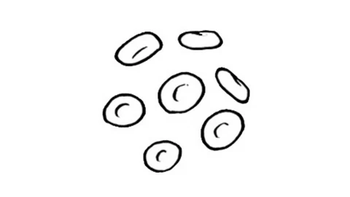
In an interview with Targeted Oncology, Jeremy Abramson, MD, discussed findings of the phase 3 TRANSFORM study which were presented at the 2022 American Society of Hematology Annual Meeting.
In an interview with Targeted Oncology, Andrew Kuykendall, MD, discussed the most recent approvals for MPNs, practice changing abstracts presented at ASH 2022, and what he expects to see in 2023.
Manmeet Ahluwalia, MD, discusses the important presentations on women’s cancer presented at the Inaugural Miami Cancer Institute Precision Oncology Symposium.
Manmeet Ahluwalia, MD, discusses the purpose behind the Inaugural Miami Cancer Institute Precision Oncology Symposium.
In an interview with Targeted Oncology, Kathryn Beckermann, MD, PhD, discussed her talk from the International Kidney Cancer Symposium: North America 2022 on risk stratifications and considerations for improving outcomes for patients with renal cell carcinoma.
Ben Derman, MD, discussed the rationale for an ongoing clinical trial evaluating minimal residual disease–guided discontinuation of maintenance therapy in patients with multiple myeloma.

In an interview with Targeted Oncology, Laura Dawson, MD, FRCPC, discussed the results of the phase 3 NRG/RTOG 1112 study of SBRT followed by sorafenib compared with sorafenib alone in locally advanced hepatocellular carcinoma.
Yazan Samhouri, MD, discusses his impressions of the TRIANGLE clinical trial presented at the 2022 American Society of Hematology Annual Meeting.
In an interview with Targeted Oncology, Benjamin Schlechter, MD, FACS, discussed the background of a phase 1a/1b trial in microsatellite stable colorectal cancer and how these findings will influence future research.
Matthew T. Campbell, MD, discusses survival outcomes for patients with both metastatic renal cell carcinoma and sarcomatoid dedifferentiation and how they each have evolved over the past few years.
Carolyn Owen, MD, discusses the phase 3 GLOW study which evaluated fixed-duration ibrutinib and venetoclax in elderly or unfit patients with chronic lymphocytic leukemia. .

Emma Searle, PhD, discusses results of the MajestTEC-2 trial combining teclistamab with daratumumab and lenalidomide for patients with multiple myeloma presented at the 2022 American Society of Hematology Annual Meeting and Exposition.
Rachna T. Shroff, MD, MS, FASCO discussed the findings from SWOG 1815 and next steps for improving upon treatment with gemcitabine and cisplatin in biliary tract cancer.
Mark R. Litzow, MD, discusses the purpose of a trial of blinatumomab for patients with newly diagnosed B-lineage acute lymphoblastic leukemia.
Benjamin Garmezy, MD, discusses the choice of third-line therapies in patients with advanced renal cell carcinoma.

In an interview with Targeted Oncology, Carolyn Owen, MD, discussed findings from the GLOW study of elderly/unfit patients with chronic lymphocytic leukemia that were presented at SOHO 2022.

Nathan Pennell, MD, PhD, discusses the importance of developing drugs based on resistance to previous treatments in patients with non–small cell lung cancer.
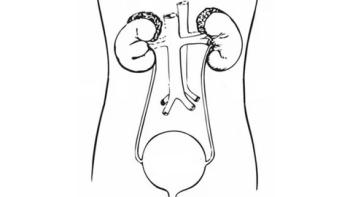
In an interview with Targeted Oncology, Thomas Flaig, MD, further discussed the updates to the 2022 NCCN guidelines for patients with bladder cancer and explained how the field has evolved over the past few years.
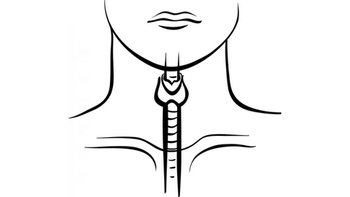
In an interview with Targeted Oncology, Melanie Goldfarb, MD, MSc, FACS, FACE, highlighted the importance of long-term survivorship care and the quality-of-life aspects of patients with thyroid cancer.
In an interview with Targeted Oncology, Tanios Bekaii-Saab, MD, FACP, discussed the methods and design of the MOUNTAINEER-03 trial and its role following the positive data observed from MOUNTAINEER.
Susana Banerjee, MBBS, PhD, discusses the significance of the long-term results of the MEDIOLA trial of patients with ovarian cancer.
Laura A. Dawson, MD, FRCPC, discusses findings from the NRG/RTOG 1112 study of stereotactic body radiation therapy followed by sorafenib vs sorafenib alone in hepatocellular carcinoma.
Karen L. Reckamp, MD, MS, discusses findings from the phase 2 Lung-MAP substudy S1800A of pembrolizumab and ramucirumab in patients with stage IV, previously-treated non–small cell lung cancer.