
Joshua K. Sabari, MD, discusses the shortage of carboplatin, its impacts, and how oncologist can still treat patients.

Joshua K. Sabari, MD, discusses the shortage of carboplatin, its impacts, and how oncologist can still treat patients.
Joshua K. Sabari, MD, explains how the shortage of drugs in the oncology space, including carboplatin and cisplatin, began.

Rupesh Kotecha, MD, discusses the key findings from an analysis centered around the use of pulse reduced dose rate intensity-modulated radiotherapy in patients with central nervous system malignancies.

In an interview with Targeted Oncology, Liza C. Villaruz, MD, discussed important new therapies for biomarker-driven NSCLC, and novel biomarkers that may bring new treatments in the near future.

In an interview with Targeted Oncology, Alexander Helfand, MD, discussed the treatment of GIST in the second-line setting, as well as later lines, including the available options, guideline recommendations, and ongoing research.

Qian Wang, MD, MPH, looks at the important metrics related to a patient’s smoking history that helps to determine their level of risk for developing small cell lung cancer.

In an interview with Targeted Oncology, Andreas Varkaris, MD, PhD, discussed findings from the ReDiscover trial and treating patients with PIK3CA mutations.
Prerna Mewawalla, MD, a hematologist at Allegheny Health Network, discusses how her approaches to patients with newly diagnosed multiple myeloma have changed recently based on clinical trial outcomes.
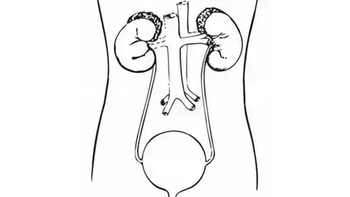
In an interview with Targeted Oncology, Siamak Daneshmand, MD, discussed TAR-200 as seen in the SunRISE-1 trial and the what is up next for the treatment landscape of high-risk BCG-unresponsive non-muscle invasive bladder cancer.
Tycel Phillips, MD, discusses the results from the practice-changing EPCORE NHL-1 study.

Hun Ju Lee, MD, discusses the early results of the dose finding and safety study of zilovertamab plus ibrutinib for patients with mantle cell lymphoma as well as chronic lymphocytic leukemia and marginal zone lymphoma.

In an interview with Targeted Oncology, Pedro Barata, MD, MSc, discussed the current therapies available, unmet needs, and ongoing studies for patients with metastatic prostate cancer.
Matthew Matasar, MD, discusses the development of mosunetuzumab and how it is a positive step forward in the field of follicular lymphoma treatment.

In an interview with Targeted Oncology, Craig Horbinski, MD, PhD, discussed recent recommendations and NCCN guidelines regarding the molecular profiling of gliomas and other central nervous system cancers.

Arash Rezazadeh Kalebasty, MD, discusses the dose modification impact of the addition of darolutamide for patients with metastatic hormone sensitive prostate cancer.

In an interview with Targeted Oncology, Meredith McKean, MD, MPH of Sarah Cannon Research Institute reviewed the recent changes to the U.S. Preventive Services Task Force skin cancer screening guidelines, and discussed advances in the skin cancer treatment paradigm for those who could not prevent the disease.

In an interview with Targeted Oncology, Tycel Phillips, MD, discussed what led to the FDA approval of subcutaneous epcoritamab for patients with relapsed/refractory diffuse large B-cell lymphoma and how it adds to the current treatment landscape.

Tycel Phillips, MD, discusses the impact of the recent approval of subcutaneous epcoritamab for the treatment of patients with relapsed/refractory diffuse large B-cell lymphoma after 2 or more lines of systemic therapy.

In an interview with Targeted Oncology, Salman Fazal, MD, discussed differences between older matched sibling donors vs younger unrelated donors in stem cell transplants and donor preferences at his institution for patients with cancer.
Jonathan W. Goldman, MD, discusses management of the most common adverse events associated with osimertinib in patients with non–small cell lung cancer.
Aaron T. Gerds, MD, MS, discusses the 48-week results of the MOMENTUM trial of momelotinib, a JAK1/JAK2 inhibitor that is being investigated specifically for the treatment of anemic patients with myelofibrosis.
Cyrus M. Khan, MD, discusses the most recent findings that show the efficacy of zanubrutinib for patients with chronic lymphocytic leukemia and small lymphocytic lymphoma.

Mark A. Socinski, MD, discusses how the FLAURA trial led to the adoption of osimertinib for patients with non–small cell lung cancer and EGFR mutations.

In an interview, Ruben Mesa, MD, discussed the currently available JAK inhibitors for patients with myelofibrosis, and what is in store for the field.

Salman Fazal, MD, discusses the use cases for older matched sibling donors vs younger unrelated donors in stem cell transplants for patients with cancer.
In an interview with Targeted Oncology™, Andrew J. Armstrong, MD gave a first-hand perspective on the discussion held during the recent ODAC meeting and explained what the discussion and vote mean for the future of olaparib plus abiraterone in metastatic castration-resistant prostate cancer.

In an interview with Targeted Oncology, Samer A. Srour, MD, discussed the results from the phase 3 TRAVERSE study and the potential role of chimeric antigen receptor T-cell therapy in renal cell carcinoma.
Brian A. Jonas, MD, discusses studies investigating the use of uproleselan for the treatment of patients with acute myeloid leukemia.
Ruta D. Rao, MD, discusses her approach to managing adverse events associated with the antibody-drug conjugate sacituzumab govitecan in patients with metastatic triple-negative breast cancer.
Samer A. Srour, MD, explains the history of researching chimeric antigen receptor T-cell therapy in solid tumors.