
In an interview with Targeted Oncology, Lisa B. Ercolano, MD, discussed the evolving treatment landscape for sarcomas and underscored the pivotal role of molecular profiling, while addressing the need for more efficacious systemic therapies.

In an interview with Targeted Oncology, Lisa B. Ercolano, MD, discussed the evolving treatment landscape for sarcomas and underscored the pivotal role of molecular profiling, while addressing the need for more efficacious systemic therapies.
Neal Shore, MD, FACS, discussed the phase 3 EMBARK trial and what the FDA approval of enzalutamide means for the prostate cancer treatment landscape.

In an interview with Targeted Oncology, Michael Wang, MD, discussed the rationale of the phase 3 study and how positive results from this trial may further shape the mantle cell lymphoma treatment landscape.

In an interview with Targeted Oncology, City of Hope cancer center’s Marwan Fakih, MD, further discussed the findings from this phase 3 trial and future directions for evaluating this combination.

In an interview with Targeted Oncology, Peter Schmid, FRCP, MD, PhD, discussed the implication of findings from the KEYNOTE-522 trial of the addition of pembrolizumab to neoadjuvant chemotherapy in patients with high-risk triple-negative breast cancer.

In an interview with Targeted Oncology, Joshua Sabari, MD, discussed the rationale of studying LY3537982 in the LOXO-RAS-20001 trial and next steps for the evaluation of the agent.

In an interview, Mwanasha Merrill discussed the implication of findings from a phase 2 trial of pembrolizumab after autologous stem cell transplantation for the treatment of patients with peripheral T-cell lymphoma.

In an interview, Funda Meric-Bernstam, MD, discussed the phase 2 DESTINY-PanTumor02 trial and the data on fam-trastuzumab deruxtecan-nxki for the treatment of patients with HER2-expressing cancers.

In an interview with Targeted Oncology, Joseph M. Scandura, MD, PhD, discussed research on pelabresib for the treatment of patients with myeloproliferative neoplasms.
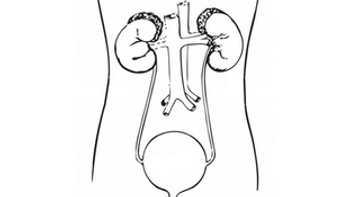
In an interview with Targeted Oncology, Brian Ramnaraign, MD, further discussed the safety of immune checkpoint inhibitors in patients with genitourinary cancers.

In an interview with Targeted Oncology, Skye Montoya discussed noncovalent Bruton's tyrosine kinase inhibitors and mechanisms of resistance in chronic lymphocytic leukemia.

In an interview with Targeted Oncology, Rachna T. Shroff, MD, MS, FASCO, discussed new systemic therapies that are available or being developed to treat patients with intrahepatic cholangiocarcinoma.

Matthew Powell, MD, discusses next steps and unmet needs following the phase 3 RUBY/ENGOT-EN6 study and the FDA approval of dostarlimab in combination with chemotherapy for the treatment of patients with mismatch repair deficient/microsatellite instability-high primary advanced or recurrent endometrial cancer.
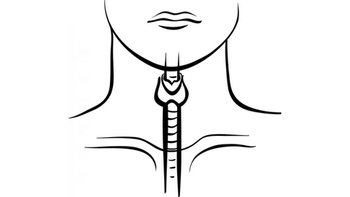
In an interview with Targeted Oncology, Francis P. Worden, MD, discussed data from the COSMIC-311 study which support treatment with cabozantinib for patients with radioiodine-refractory differentiated thyroid cancer.
In an interview with Targeted Oncology, Federico Albrecht, MD, discussed advances to treatments for patients with small cell lung cancer and considerations when treating difficult cases.
In an interview with Targeted Oncology, Yi Lin, MD, PhD, discussed the phase 1b/2 CARTITUDE-1 study of ciltacabtagene autoleucel for the treatment of patients with relapsed or refractory multiple myeloma.

In an interview, John Diaz, MD, discusses updates to the cervical cancer treatment landscape and where the field is moving to potentially eradicate this disease in the United States.

In an interview with Targeted Oncology, Dan T. Vogl, MD, MSCE, discussed a phase 1 study which evaluated modakafusp alfa for the treatment of patients with relapsed or refractory multiple myeloma.

In an interview with Targeted Oncology, Rohan Garje, MD, discussed current treatment options for patients with prostate cancer and the role of PARP inhibitors.
In an interview with Targeted Oncology, Heather Wakelee, MD, discussed what community oncologists should know about the newly approved combination of pembrolizumab with platinum-containing chemotherapy as neoadjuvant treatment, and with continuation of pembrolizumab monotherapy as post-surgical adjuvant treatment.

In an interview with Targeted Oncology, Rupesh Kotecha, MD, discusses the background of this phase 1 study and current options for patients with brain metastases.
Qian Wang, MD, MPH, discusses the progress of research into the molecular pathways responsible for developing small cell lung cancer.
Warren C. Swegal, MD, discusses the safety and tolerability of tyrosine kinase inhibitors for patients with radioactive iodine–refractory differentiated thyroid cancer.
In an interview, Nathan Bahary, MD, PhD, explains what factors have contributed to the rise in oncology drug shortages, and emphasizes the importance of proactive measures moving forward, while also suggesting the importance of policy changes and increased communication.
Zev A. Wainberg, MD, discusses the pressing relevance of the outcomes of the NAPOLI 3 trial, which were presented at the 2023 Gastrointestinal Cancers Symposium.
In an interview with Targeted Oncology, Tanya B. Dorff, MD, discussed the role of goserelin and LHRH antagonists in the ever-changing treatment landscape for patients with prostate cancer.

In an interview with Targeted Oncology, Justin Taylor, MD, discussed early research on NX-2127, a BTK degrader being evaluated for the treatment of chronic lymphocytic leukemia.
In an interview with Targeted Oncology, Yael Schenker, MD, MAS, FAAHPM, discussed the importance of palliative care and advanced care planning for patients with advanced cancers.
UCLA professor, Richard S. Finn, MD, discusses the next possible regimen for hepatocellular carcinoma.

In an interview, Chung-Han Lee, MD, PhD, discussed the challenges, studies, and outcomes previously observed when studying adjuvant treatments for patients with renal cell carcinoma.