Ariel Lopez-Chavez, MD, discusses the potential of tarlatamab and its use in the frontline setting for the treatment of patients with small cell lung cancer.

Ariel Lopez-Chavez, MD, discusses the potential of tarlatamab and its use in the frontline setting for the treatment of patients with small cell lung cancer.
Binod Dhakal, MD, MS, discusses the potential risk of secondary cancers like lymphoma and leukemia sometimes seen with chimeric antigen receptor T-cell therapies.

In an interview with Targeted Oncology for Head and Neck Cancer Awareness Month, Noel Laudi, MD, MRCP, discussed the link between human papillomavirus infection and head and neck cancers.
John M. Burke, MD, discusses results from a phase 2 study which evaluated brentuximab vedotin, nivolumab, doxorubicin, and dacarbazine for the treatment of early-stage and advanced classical Hodgkin lymphoma.

In an interview with Targeted Oncology, Ben Jones identified the key challenges community oncologists are facing due to legislative changes in cancer care policy.

Warren Fingrut, MD, discussed a study looking at HLA antibody burden among patients with blood cancers, particularly women who have carried multiple pregnancies.
Ira Zackon, MD, discusses the background of a real-world study which sought to identify some of the racial and socioeconomic disparities seen in patients with chronic lymphocytic leukemia.

Aaron Lisberg, MD, discussed the phase 3 TROPION-Lung01 study which evaluated datopotamab deruxtecan for patients with advanced or metastatic non-small cell lung cancer.
Rahul Banerjee, MD, discusses new frontiers in the treatment of multiple myeloma with CAR T-cell therapy.
Yara Abdou, MD, looks back on what have been the biggest challenges in treating HER2-positive breast cancer over the past 5-10 years.

Sarah Lee, MD, MBA, discussed a study to better disaggregate the subgroup of Asian American patients with ovarian cancer.

Jeff Yorio, MD, discussed the unmet needs among patients with melanoma and plans for a phase 3 study assessing an mRNA vaccine.
In an interview with Targeted Oncology, Sara Kerr, MD discussed the evolution of genomic testing for patients with cancer and highlighted the program used at Allina Health.

In an interview with Targeted Oncology, Jeff Sharman, MD, discussed the results of the ELEVATE-TN trial of acalabrutinib with or without obinutuzumab at 74.5 months of follow-up among patients with chronic lymphocytic leukemia.

In an interview with Targeted Oncology, Adam D. Cohen, MD, discussed the impressive efficacy of FDA-approved agents, alongside their toxicity profiles, for the treatment of multiple myeloma.
Debra Patt, MD, PhD, MBA, discussed the ways oncologists can ensure a bright future for themselves and their patients through embracing technology.

In an interview with Targeted Oncology, Kim N. Chi, MD, FRCPC, discussed the MAGNITUDE trial results, including patient-reported outcomes, in patients with BRCA-positive mCRPC.
Kim N. Chi, MD, FRCPC, discusses the significance of the phase 3 MAGNITUDE trial, including its evaluation on patient-reported outcomes, in patients with BRCA1/2-altered metastatic castration-resistant prostate cancer.

In an interview with Targeted Oncology, Yanghee Woo, MD, discussed some factors to consider when choosing between CROSS and FLOT for gastreoesophageal junction adenocarcinoma treatment.
In an interview with Targeted Oncology, Jonathan Spicer, MD, discussed the background and findings of the KEYNOTE-671 trial of perioperative pembrolizumab in non-small cell lung cancer.
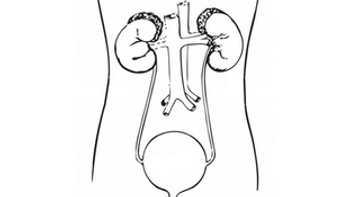
In an interview with Targeted Oncology, Joseph M. Jacob, MD, discussed how bladder preservation is the top reason for refusal of radical cystectomy in the TAR-200 monotherapy cohort of the SunRISe-1 study.
In an interview with Targeted Oncology, Doris Hansen, MD, delved into the background, methods, design, and results from 3 recent myeloma studies.
A quality initiative study investigated whether offering human papillomavirus vaccines at the time of abortion care could increase vaccination rates.
Lori J. Wirth, MD, discusses the outcomes of treatment with larotrectinib for patients with NTRK fusion–positive advanced thyroid cancer.
Amer Zeidan, MBBS, explains how the approval of imetelstat may impact patients with myelodysplastic syndromes.
In an interview with Targeted Oncology, Manmeet Ahluwalia, MD, MBA, FASCO, discussed the Cancer Moonshot program, its progress, and the next steps.

Chelsea Peterson, DO, discussed a real-world study investigating ruxolitinib in patients with steroid-refractory graft-vs-host disease.

In an interview with Targeted Oncology, Nasir Chaudry, MD, discussed the evolving landscape of prostate cancer treatment, driven by new research.
Amer Zeidan, MBBS, discusses the unmet needs that exist for myelodysplastic syndromes and how imetelstat may help fill these needs.
Michael Scordo, MD, discussed findings from a phase 2 study investigating new antithymocyte globulin dosing models for ex vivo CD34-selected allogeneic stem cell transplants.