
In an interview with Targeted Oncology, David L. Bartlett, MD, discussed the utilization and growing importance of genomic testing in cancer care.

In an interview with Targeted Oncology, David L. Bartlett, MD, discussed the utilization and growing importance of genomic testing in cancer care.
Amer Zeidan, MBBS, discusses how imetelstat compares with other treatments for patients with low-risk myelodysplastic syndromes with anemia who are transfusion-dependent and ineligible for erythropoiesis stimulating agents.

In an interview with Targeted Oncology, Muhammad Talha Waheed, MBBS, discussed research on the reliability of using recurrence-free survival as an efficacy end point for trials evaluating patients with colorectal cancer peritoneal metastasis.
Lova Sun, MD, discusses genetic alterations in thyroid cancer, including RET and NTRK alterations, and how these can affect treatment options.

Saad Z. Usmani, MD, MBA, FACP, FASCO, discussed how the role of autologous stem cell transplant is evolving in the myeloma treatment landscape with the emergence of CAR T-cell therapies and bispecifics.

Arlene O. Siefker-Radtke, MD, dives into the background and the cohorts included in the phase 3 THOR study.

A novel CAR T-cell therapy being developed at City of Hope offers a potential new treatment avenue for patients with recurrent glioblastoma and high-grade glioma.

In an interview, Raajit K. Rampal, MD, PhD, delved into the dynamic landscape of myelofibrosis therapy, highlighting treatment options beyond JAK inhibition.

In an interview with Targeted Oncology, Julie Chang, MD, discussed the minimal residual disease-adapted study in patients with previously untreated mantle cell lymphoma and the key findings from the trial.

In an interview with Targeted Oncology, Elias Jabbour, MD, discussed the approval of ponatinib and what it means for patients with Philadelphia chromosome-positive acute lymphoblastic leukemia.
Abdullah M. Khan, MBBS, discusses the pivotal phase 3 KarMMa-3 trial of idecabtagene vicleucel in patients with relapsed/refractory multiple myeloma.
In an interview with Targeted Oncology, Tanya Siddiqi, MD, discussed the rationale behind the TRANSCEND CLL 004 study supporting the FDA approval of lisocabtagene maraleucel in chronic lymphocytic leukemia or small lymphocytic lymphoma.

In an interview with Targeted Oncology, Howard D. Edington, MD, discussed Allegheny Health Network’s recently unveiled Melanoma and Skin Cancer Center and its new technology.
In an interview with Targeted Oncology, Manmeet S. Ahluwalia, MD, provided insights into his personal career and goals and the transformative potential of oncology.

Introducing a checkpoint inhibitor like nivolumab for patients where chimeric antigen receptor T-cell therapy failed in multiple myeloma is a potential area of interest for researchers.

Pedro Barata, MD, MSc, discussed the importance of the NRG Oncology Semiannual Meeting and the forum it provides for oncologists to collaborate and optimize cancer treatment.

Stephanie Lee, MD, discusses a study investigating belumosudil for chronic graft-vs-host disease.
Susan Bal, MD, discussed GPRC5D as an immunotherapeutic target in multiple myeloma and findings from a phase 1 study evaluating a novel CAR T-cell therapy working to target GPRC5D.

Ariel Lopez-Chavez, MD, provided insights into the current landscape of small cell lung cancer treatment, highlighting approved options and ongoing research.
Identifying differences in pancreatic cancer subtypes could be at the center of developing targeted treatments in this challenging disease.
Jeremy Ramdial, MD, discussed a phase 1/2 study investigating the GemCloBu conditioning regimen for stem cell transplants in aggressive lymphomas.

In an interview with Targeted Oncology, Rohan Garje, MD, discussed how mutations such as TP53, RB1, and PTEN impact overall survival in patients with metastatic prostate cancer.
Jeff Auletta, MD, discusses findings from a study evaluationg posttransplant cyclophosphamide in unmatched stem cell transplants.

Samilia Obeng-Gyasi, MD, MPH, delved into the background and findings of this study assessing the correlation between neighborhood opportunity, allostatic load, and all-cause mortality among patients with breast cancer.

In an interview with Targeted Oncology, Raajit K. Rampal, MD, PhD, provided an update on developments, unmet needs, and future directions for the treatment of patients with myelofibrosis.
In an interview with Targeted Oncology, Chakra Chaulagain, MD, discussed the trends of higher rates of autologous hematopoietic stem cell transplantation refusal among patients with multiple myeloma.

For Colorectal Cancer Awareness Month, Jedrzej Wykretowicz, MD, PhD, discussed the importance of early detection and taking steps towards the prevention of colorectal cancer.

In an interview with Targeted Oncology, Reshma Mahtani, DO, discussed findings from a retrospective study exploring treatment options for geriatric patients with HER2-positive breast cancer.
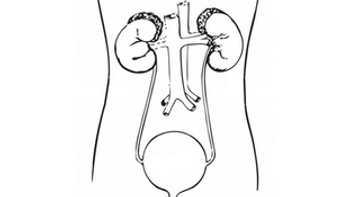
Alex Chehrazi-Raffle, MD, discussed a real-world analysis of clinical characteristics of patients with bladder cancer receiving adjuvant nivolumab or chemotherapy.
In an interview with Targeted Oncology, Claire Saxton, MBA, and Ashley Moncrief, discussed the importance of education efforts focused on ensuring that patients with MDS understand their diagnosis and options so that they can make informed decisions about their care.