
The ruxolitinib and belumosudil combination demonstrated a 55% overall response rate in GVHD, suggesting synergy between inflammatory pathways. The combination was well-tolerated, delayed the need for other therapies.

The ruxolitinib and belumosudil combination demonstrated a 55% overall response rate in GVHD, suggesting synergy between inflammatory pathways. The combination was well-tolerated, delayed the need for other therapies.
Michael Scordo, MD, discusses the implications of a new approach to dosing antithymocyte globulin in patients undergoing an allogeneic hematopoietic stem cell transplant.
Acalabrutinib added to axicabtagene ciloleucel treatment was well-tolerated in patients with relapsed/refractory B-cell lymphoma.
Findings suggest that liso-cel may be an effective treatment option for patients with relapsed/refractory mantle cell lymphoma and high-risk features, who have limited treatment options.
A retrospective study demonstrated the feasibility and efficacy of brexucabtagene autoleucel in treating central nervous system involvement in adult patients with relapsed/refractory B-cell acute lymphoblastic leukemia.

Pedro Barata, MD, MSc, FACP, discusses the goals of the NRG Oncology Semiannual Meeting taking place February 15-17, 2024.
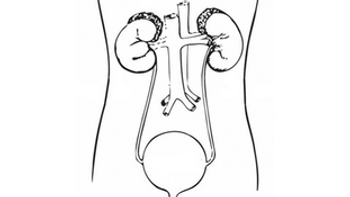
In an interview with Targeted Oncology, Stephen Williams, MD, discussed a retrospective cohort study presented at ASCO GU analyzing intravesical gemcitabine usage vs Bacillus Calmette-Guérin for the treatment of high-risk non-muscle invasive bladder cancer.

Paul Richardson, MD, further discusses the data from the CC-92480-MM-002 trial, and future directions for research of mezigdomide combinations for patients with relapsed/refractory multiple myeloma.
Paul Richardson, MD, discusses the safety and efficacy findings from the CC-92480-MM-002 trial of mezigdomide with dexamethasone and daratumumab or elotuzumab in patients with relapsed/refractory multiple myeloma.
Paul Richardson, MD, discusses the baseline characteristics of the patients with relapsed/refractory multiple myeloma enrolled in the CC-92480-MM-002 trial.
Paul Richardson, MD, discusses the background and design of the CC-92480-MM-002 trial in multiple myeloma.
Research across kidney, bladder, and prostate cancers was showcased January 25-27 in San Francisco, California.
Subcutaneous nivolumab coformulated with rHuPH20 showed noninferiority of PK exposures compared with intravenous nivolumab in metastatic ccRCC.
Adjuvant pembrolizumab treatment significantly improved overall survival vs placebo in patients with clear cell renal cell carcinoma.
In the phase 3 CheckMate 914 trial, the use of nivolumab did not meet the primary endpoint of disease-free survival when compared to a placebo in patients with localized renal cell carcinoma at a heightened risk of relapse following nephrectomy.
Real-world, retrospective data showed that morphologic renal cell carcinoma types and tumor-stages helps to inform recurrence and prognosis.
Pembrolizumab with lenvatinib continued to demonstrate antitumor activity and led to longer survival rates vs historical controls in patients with advanced non–clear cell renal cell carcinoma.
First-line lenvatinib and pembrolizumab showed similar overall survival rates and improved progression-free survival and response rates vs global standard-of-care immunotherapies among patients with advanced renal cell carcinoma.

Martin H. Voss, MD, discusses what community oncologists should takeaway from the the extended follow-up data of the phase 2 KEYNOTE-B61 study which assessed first-line pembrolizumab plus lenvatinib for patients with non-clear cell renal carcinomas.
Patients with advanced/metastatic clear cell renal cell carcinoma who received belzutifan took longer to experience worsening symptoms and reported higher quality-of-life scores on questionnaires.
The phase 3 AMBASSADOR Alliance A031501 trial of adjuvant pembrolizumab in muscle-invasive and locally advanced urothelial carcinoma successfully achieved its primary end point. However, the interim analysis did not meet the overall survival end point.
The phase 3 EV-302/KEYNOTE-A39 trial, which includes prespecified subgroup analyses, revealed favorable outcomes compared with chemotherapy. The findings pertain to patients with previously untreated locally advanced or metastatic urothelial carcinoma.
Pembrolizumab and cabozantinib showed promising results as first-line treatment for advanced urothelial carcinoma, including those who were ineligible for cisplatin.
In patients with non-muscle-invasive bladder cancer unresponsive to BCG who underwent nadofaragene firadenovec (Adstiladrin) treatment, those who achieved urinary minimal residual disease (uMRD)-negative status showed no recurrences.

Joseph M. Jacob, MD, discusses the key takeaways from the SunRISe-1 study and data presented at the 2024 Genitourinary Cancers Symposium.
Individuals diagnosed with HRR gene-mutated metastatic castration-resistant prostate cancer (mCRPC) receiving olaparib face a critical requirement for timely and consistent genetic testing to enhance treatment outcomes.
The combination of olaparib and abiraterone acetate resulted in a postponement of disease progression and enhanced outcomes for individuals with mutations in BRCA, ATM, and CDK12 in metastatic castration-resistant prostate cancer.
A post hoc sensitivity analysis that counted use of subsequent therapies in patients censored from primary overall survival follow-up favored darolutamide plus androgen deprivation therapy and docetaxel in patients with metastatic hormone-sensitive prostate cancer.
Regarding safety, the investigators did not observe any grade 3 or 4 adverse events during the study.
A higher dose of radiation therapy led to longer progression-free, cancer-specific, and overall survival, compared with the standard dose, in combination with long-term ADT in patients with high-risk prostate cancer.