
KLN-1010 shows promising MRD-negative responses in relapsed/refractory multiple myeloma patients, highlighting its potential as a safe, off-the-shelf CAR T therapy.

KLN-1010 shows promising MRD-negative responses in relapsed/refractory multiple myeloma patients, highlighting its potential as a safe, off-the-shelf CAR T therapy.
The LimiTEC trial reveals that discontinuing teclistamab after 6-9 months yields comparable outcomes to continuous treatment in multiple myeloma patients.

Discover the most anticipated breast cancer abstracts at the 2025 San Antonio Symposium, featuring groundbreaking studies in HR+, HER2+, and TNBC.
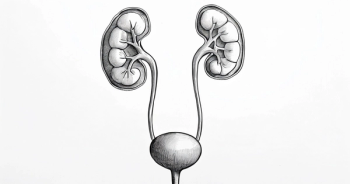
XmAb819 shows promising antitumor activity and manageable safety in clear cell renal cell carcinoma patients, highlighting its potential in future therapies.
A 6-month complete response predicts improved long-term survival in high-risk large B-cell lymphoma patients treated with axicabtagene ciloleucel.
Dexamethasone prophylaxis significantly reduces severe neurotoxicity in LBCL patients receiving axi-cel, enhancing safety without compromising efficacy.

Discover how a remote therapeutic monitoring system enhances patient care and streamlines clinic operations, reducing hospitalizations for hematologic malignancies.
A phase 1b/2 trial reveals MK-1045 shows manageable safety and promising efficacy in treating relapsed/refractory B-cell acute lymphoblastic leukemia.
Remote therapeutic monitoring significantly lowers infection-related hospitalizations in hematological cancer patients, enhancing outpatient care and reducing emergency visits.
The MANIFEST-2 trial reveals that pelabresib combined with ruxolitinib significantly improves outcomes for myelofibrosis patients compared to standard treatments.
New data from the SEQUOIA trial highlights the effectiveness of zanubrutinib and venetoclax in achieving high progression-free survival rates in CLL/SLL patients.
Families of children with acute lymphoblastic leukemia face significant financial challenges during treatment, with many experiencing material hardship and income loss.
New trials reveal INCA033989 shows promise for treating CALR exon 9-mutated myelofibrosis, demonstrating efficacy and tolerability in patients.
The MajesTEC-3 trial showed that teclistamab combined with subcutaneous daratumumab improved overall survival vs standard daratumumab-based regimens in relapsed/refractory multiple myeloma.
Pirtobrutinib shows significant improvement in progression-free survival for untreated CLL/SLL, potentially setting a new standard of care.
Sonrotoclax shows promising efficacy and tolerability in treating relapsed mantle cell lymphoma, with ongoing trials to confirm its potential.
A new triplet therapy combining tagraxofusp, azacitidine, and venetoclax shows promising response rates and transplant potential for BPDCN patients.

The KOMET-007 trial reveals promising safety and efficacy of ziftomenib combined with venetoclax and azacitidine for relapsed/refractory AML patients.
Circulating tumor DNA (ctDNA) emerges as a crucial prognostic tool for lymphoma, enhancing event-free survival predictions and treatment response insights.
The MagnetisMM-30 trial reveals promising early responses and manageable safety for elranatamab and iberdomide in relapsed multiple myeloma patients.
A novel treatment regimen for high-risk mantle cell lymphoma shows impressive response rates and minimal residual disease in early trial results.
A recent study reveals that Black patients with acute myeloid leukemia face significantly poorer survival rates compared to White patients, highlighting racial disparities in treatment outcomes.
Cilta-cel shows promising long-term survival rates in relapsed/refractory multiple myeloma, suggesting potential for a cure in standard-risk patients.
A new combination therapy shows promising results in achieving durable remission for patients with NPM1-mutated acute myeloid leukemia.

Outpatient CAR T-cell therapy shows promising efficacy and manageable safety in treating relapsed multiple myeloma, with high response rates and minimal long-term toxicity.
Bispecific antibodies talquetamab and teclistamab show promising results in treating relapsed/refractory multiple myeloma with extramedullary disease, achieving high response rates.

Discover the nuances of CAR T-cell therapy eligibility and its advantages over traditional chemotherapy for long-term patient outcomes.
NXC-201 CAR T-cell therapy shows promising results in treating relapsed AL amyloidosis, achieving deep responses and rapid normalization of disease markers.
MaaT013 shows promising efficacy and safety in treating refractory GI-aGVHD, offering hope for improved survival in patients.