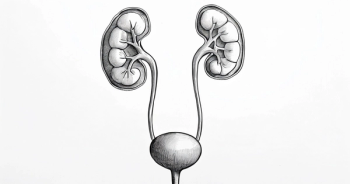
Explore the latest advancements in muscle-invasive bladder cancer treatment, including immunotherapy and novel therapies enhancing patient outcomes.

Explore the latest advancements in muscle-invasive bladder cancer treatment, including immunotherapy and novel therapies enhancing patient outcomes.

Addressing issues such as congestive heart failure is important to providing safe care to patients with cancer.
The GI Cancers Symposium revealed new therapies for specific cancer subsets and progress in chimeric antigen receptor T-cell therapies for solid tumors.

Lung cancer innovations are not only extending lives but also enhancing the quality of life for patients, offering renewed hope to millions worldwide.

The study of rare cancers has undergone a paradigm shift, transitioning from a singular disease entity approach to a more nuanced understanding of biomarker-defined subtypes.

For Breast Cancer Awareness Month, Deborah Toppmeyer, MD, emphasizes the crucial role of early breast cancer detection.
GLP-1 agonists, widely used for obesity and diabetes management, have been associated with a reduced risk of most obesity-related cancers, offering promise in decreasing the overall cancer burden in the US.

Careful management by a team of specialists is needed to balance disease control and fetal health in patients with CML who are pregnant or trying to become prengant.
As oncologists and the healthcare industry advance their practices to propel care for children, it is crucial for the industry and population at large to tailor care for the unique needs of children to maximize recovery and truly help patients thrive.
The knowledge gained from biomarker testing can help develop cancer prevention, diagnosis, and treatment strategies that specifically target a person’s cancer subtype.
As gene editing technology continues to advance, it could fundamentally change the landscape of cancer treatment.
Within the past decade, there has been a surge in terms such as value-based care, patient-centered care, shared decision-making, and more at the macro level of health care delivery in the US.

Adam C. Berger, MD, FACS, highlights the challenges and advancements in diagnosing and treating sarcoma, a rare and diverse group of cancers originating from mesenchymal tissues.
The latest research on circulating tumor DNA and circulating tumor cells isolated through liquid biopsies is revolutionizing cancer care by enabling early detection, treatment monitoring, and personalized medicine strategies.
The debate on non-specific vs targeted therapies in oncology highlights the need for a balanced approach optimizing existing agents while developing biomarkers and precision medicine.
The national shortage of nurses and health care support staff has spilled over to the clinical research space.

A cyberattack on Change Healthcare disrupted patient scheduling, billing, and potentially exposed patient data. It caused financial strain on medical practices and took weeks to recover from.
Change Healthcare, owned by UnitedHealth Group, was targeted by cybercriminals, affecting 140 million Americans and costing $1 billion daily. Recovery efforts underscore the critical need for robust cybersecurity measures in healthcare.
Clinical trials play a pivotal role in developing effective therapies, yet their integration is challenged by issues such as insufficient reimbursement structures, misaligned incentives, physician burnout, and a complex regulatory environment.
Until recently, the CAR gene modification has been focused on T cells, thought for decades to be the main effector population for controlling cancer or for harnessing cancer immunotherapy.

The frontline standard-of-care regimen for patients with higher-risk MDS and some with lower-risk MDS remain hypomethylating agents, such as azacitidine, decitabine, and decitabine/cedazuridine.

Improving patient prognostication in mantle cell lymphoma informs treatment decisions and enhances our understanding of the disease's biology.
By expediting referral processes, enhancing information quality, and boosting patient satisfaction, these systems are reshaping healthcare experiences for both providers and patients.
If the title is correct, an article in the November 10 issue of the Journal of Clinical Oncology shows that many randomized trials in oncology are improperly designed and many drugs used in oncology have been approved based on the wrong end point.
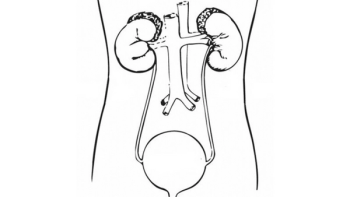
According to John M. Burke, MD, it is hard to imagine that results presented at ESMO in the urothelial cancer space will not lead to the complete replacement of conventional chemotherapy as the standard first-line treatment.
The recent announcement of the 2023 Nobel Prize in Physiology or Medicine has turned attention again to RNA therapeutic vaccines and a better understanding of RNA biology.
Allogeneic transplant is, today, a curative therapy for a variety of blood cancers, including many cases of acute monocytic leukemia, acute lymphoblastic leukemia, and myelodysplastic syndromes.
The rapid progress in oncology, along with complex cases and rising costs, presents challenges in delivering high-quality cancer care.