
A real-world guide to best practices in treating neuroendocrine tumors can improve patient outcomes.

A real-world guide to best practices in treating neuroendocrine tumors can improve patient outcomes.

In-person interactions enrich and eventually improve the outcomes that we are able to provide to our trainees, and thus to patients and the field of oncology.
Promising results have been reported from the phase 1 study OCTAVE clinical trial.
Increasingly, and with exponential pace, AI algorithms are finding their way into the oncology clinic.

Debu Tripathy, MD, said the 39th Annual Miami Breast Cancer Conference is always a well-rounded meeting.
Recent trials explore drugs like bemcentinib, everolimus, talazoparib, and others for potential approaches to targeting STK11 mutations.
For patients with advanced synovial sarcoma or myxoid/ round cell liposarcoma, afamitresgene autoleucel is a promising novel therapy.
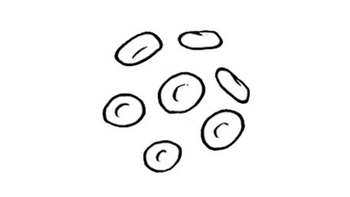
Chimeric antigen receptor T-cell therapies have demonstrated potential in chronic lymphocytic leukemia. However, T-cell dysfunction that is inherent to the disease, including reduced proliferative and cytotoxic capacities, limits the efficacy of this approach, according to an expert.
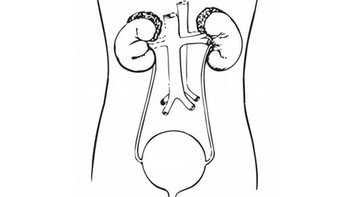
Investigation of intravesical checkpoint-targeted therapy may warrant further investigation in patients with BCG-unresponsive bladder cancer.
Current findings validate and support the clinical utility of enzalutamide regardless of metastatic burden or type of oligometastatic disease, according to the investigators.
Next-generation sequencing samples of urine cytology specimens from upper tract urothelial carcinoma demonstrated an 86% success rate.
According to Matthew Galsky, MD, results from the CheckMate-274 clinical trial support adjuvant nivolumab as a standard of care for patients with high-risk muscle-invasive urothelial cancer after radical resection.
Immunotherapy has especially demonstrated broad activity in cervical cancer, fueling development in this area and providing further signs of hope for new treatment options to come into the landscape with greater efficacy and manageable safety profiles.