During a Targeted Oncology case-based roundtable event, Srdan Verstovsek, MD, PhD, discussed prognostic models for myelofibrosis and the use of JAK inhibitors as therapy.

During a Targeted Oncology case-based roundtable event, Srdan Verstovsek, MD, PhD, discussed prognostic models for myelofibrosis and the use of JAK inhibitors as therapy.
Describing the role of VISTA, an immunoregulatory molecule involved in maintaining T-cell and myeloid quiescence, as a promising target in cancer immunotherapy.

With expanding knowledge of the molecular characteristics of uterine sarcomas, investigators are working to develop treatments specific to each subtype.
At the upcoming 23rd Annual International Lung Cancer Congress®, Solange Peters, MD, PhD will be giving two presentation around relevant biomarkers in perioperative immunotherapy and the role of treatment agent sequencing in ALK-rearranged non–small cell lung cancer.
Oritinib demonstrated almost complete disease control in previously treated patients with EGFR T790M–mutant, locally advanced or metastatic non–small cell lung cancer.
With results offering promising efficacy data and a manageable safety profile, unecritinib can be regarded as a new first-line treatment option.
An individualized starting dose of niraparib, determined by weight and platelet count, continued to demonstrate a clinical meaningful improvement in progression-free survival in newly diagnosed ovarian cancer in the first-line maintenance setting, regardless of biomarker status,
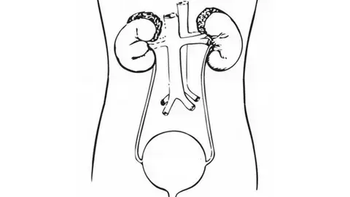
Thomas Flaig, MD, addressed new and emerging systemic therapies for bladder cancer during the National Comprehensive Cancer Network 2022 Annual Conference.
Targeted agents, such as Bruton tyrosine kinase inhibitors, PI3K inhibitors, B-cell lymphoma 2 inhibitors, and venetoclax, have delivered improvements in quality of life, progression-free survival, and overall survival for relapsed/refractory chronic lymphocytic leukemia.

In relapse/refractory follicular lymphoma, promising results have been observed with PI3K inhibitors and are encouraging because of the less than optimal outcome associated with Bruton's tyrosine kinase inhibitors.
Although there is tremendous excitement about boundaries of science stretching beyond human imagination, realizing the real-world impact of scientific advancement on the health outcomes of patients provides a reality check on how far we still must go.
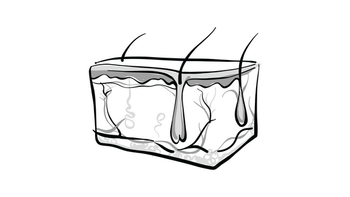
New and emerging treatment modalities for advanced nonmelanoma skin cancer provide hope for this patient subset.
There is a role for these overlapping entities—guidelines and pathways—and each permits flexibility for the oncologist for available treatment options in the level and quality of data.