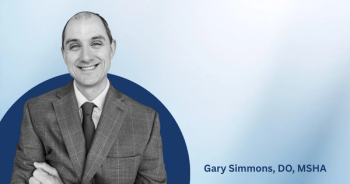
Gary Simmons, DO, MSHA, discusses outpatient CAR T-cell therapy in the community, the operational and payer bottlenecks his practice has faced, and advice for colleagues.

AI-powered trial screening helps community oncology practices identify eligible patients locally, widening access beyond academic centers and reducing barriers such as distance and logistics.
Access to and enrollment in clinical trials vary widely by care setting, shaped by factors such as distance to a trial site, available research infrastructure, and referral pathways. In an interview with Targeted OncologyTM, Shaalan Beg, MD, MBA, FASCO, of ConcertAI, discusses how artificial intelligence (AI)–enabled clinical trial screening could help extend research opportunities to patients receiving care in community settings.
Beg highlights the growing role of community and satellite sites in clinical research and the challenge of ensuring that patients seen outside major academic centers have the same opportunities to be identified for appropriate trials. AI tools could help research teams extend screening capabilities across these sites, allowing potentially eligible patients to be identified closer to where they receive care.
The potential impact extends beyond academic vs community settings. Clinical trial participation can also be influenced by factors such as insurance status, geography, and the distance a patient must travel to a trial site. By helping community oncology practices identify and evaluate potential trial candidates locally, AI could reduce logistical barriers that prevent patients from participating in research.