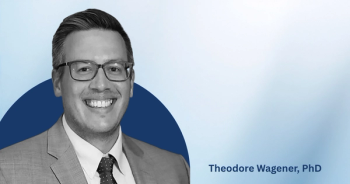
Theodore Wagener, PhD, of The Ohio State University discusses the design of the phase 2 DREAM LUNG study of psilocybin-assisted therapy for depression in non–small cell lung cancer.

Rethink trial design with decentralized, community-based models to cut barriers, let patients enroll closer to home, and preserve high-quality safety data.
Making clinical trials more accessible requires rethinking how studies are designed, supported, and conducted, particularly for patients receiving care in community settings. In an interview with Targeted Oncology, Krish Patel, MD, executive director of hematologic cancer research at Sarah Cannon Research Institute, discusses the role of trial sponsors, research organizations, community oncology sites, and regulatory agencies in reducing barriers to participation.
Patel emphasizes that while community oncology sites may have varying capabilities, they care for a large proportion of patients who could benefit from clinical trial participation. He argues that stakeholders should reassess which traditional trial requirements are truly necessary to determine whether a therapy is safe and effective and which may create unnecessary barriers for patients and sites.
One potential solution is greater use of decentralized trial models. Patel discusses whether certain components of a clinical trial, such as laboratory testing and safety assessments, could be performed through a patient’s community oncologist even when that practice is not formally participating as a trial site. This approach could allow patients to participate closer to home while still generating the data needed to evaluate new therapies.
Patel describes this concept as developing “purpose-built” trials: studies designed from the outset to be accessible and deliverable in the communities where patients receive care. By starting with the essential questions a trial needs to answer and working backward to determine which procedures and operational requirements are necessary, researchers may be able to expand participation without compromising the quality of clinical data.