David S. Hong, MD, of the University of Texas MD Anderson Cancer Center, reacts to the growing interest around identifying NTRK gene fusions in various solid tumor types and treating appropriate patients with oral TRK inhibitors.
Breakthrough targeted therapies—from KRAS and PROTACs to CAR T—plus ctDNA monitoring and personalized vaccines push earlier detection and smarter cancer treatment.
J. Thaddeus Beck, MD, discusses how the shift from intravenous to subcutaneous formulations is changing oncology practice, from clinic logistics to patient preferences.
The designation expands the investigational immunotherapy’s development across tumor types for patients whose disease progresses after prior treatment, including immune checkpoint inhibition.
Phase 2b data show iopofosine I-131 drives deep, durable responses in relapsed Waldenström macroglobulinemia after BTK inhibitors, with manageable cytopenias.
The RELIGHT study found that adding retlirafusp alfa to chemotherapy extended overall and progression-free survival in previously untreated gastric and GEJ cancers.
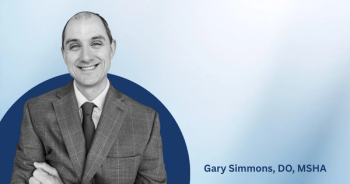
Gary Simmons, DO, MSHA, discusses outpatient CAR T-cell therapy in the community, the operational and payer bottlenecks his practice has faced, and advice for colleagues.
During a virtual event, Neil M. Iyengar, MD, and participants discussed how approvals for trastuzumab deruxtecan before and after surgery complicate sequencing for patients with HER2-positive early breast cancer.