Treating Chronic Lymphocytic Leukemia in Elderly Patients
Treating Chronic Lymphocytic Leukemia in Elderly Patients
Advertisement
A 76-year-old male presented with symptoms of low-grade fever, (101.1oF) chills, and weight loss. The patient feels severely fatigued and required extensive rest. He was recently hospitalized for pneumonia.
PMH: Hypertension controlled on candesartan, diabetes managed with metformin
PE: Pallor and is weak-appearing, vital signs WNL, enlarged mobile lymph nodes bilaterally (~2.0 cm), anterior cervical chain, no hepatosplenomegaly
PS, ECOG 2
Laboratory findings:
WBC; 18.5 X 10⁹/L, 65% lymphocytes
Lymphocytes; 86.2 X 10⁹/L
Hb; 12.2 g/dL
Platelets; 305 X 109/L
ANC; 120/mm3
Flow cytometry; CD5+, CD19+, CD23+, CD38-low,
Cytogenetics, IgVH mutation status, unknown
β2M, 2.6 mg/L
BM biopsy; 50% lymphocytes
Diagnosis; chronic lymphocytic leukemia
The patient was treated with ibrutinib and achieved a complete response to therapy after 2 months
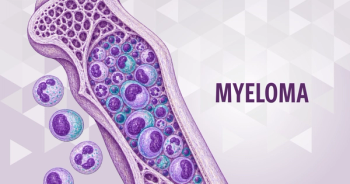
Elranatamab reduced the risk of disease progression or death vs standard care in patients with R/R myeloma after prior anti-CD38 therapy and lenalidomide.
The phase 3 VERIFY trial found that rusfertide improved clinical response, reduced phlebotomy requirements, and eased symptom burden in patients with polycythemia vera receiving standard-of-care therapy.