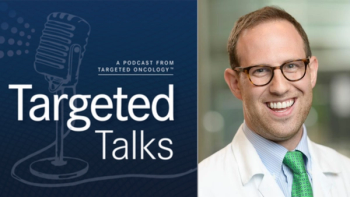
Benjamin Herzberg, MD, discusses KRAS-mutant non–small cell lung cancer, upfront biomarker testing, and the emerging RAS inhibitor toolkit on Targeted Talks.

Community oncology prepares for routine genetic testing, building workflows, training and follow-up to expand hereditary cancer risk care and reduce disparities.
In this episode of Community Corner, Ranjit Goudar, MD, director of the Hereditary Cancer Program at Virginia Oncology Associates, discusses how community oncology practices must prepare for a future in which genetic testing and cancer risk assessment become increasingly integrated into routine care.
As more individuals are identified as being at elevated risk for cancer, practices will need to develop workflows for patient intake, provider training, risk assessment, genetic testing, referrals, and long-term follow-up. Goudar explains that while access to primary care and specialty services remains limited in many communities, oncology practices are uniquely positioned to help bridge these gaps and provide timely care for high-risk patients.
Looking ahead, Goudar shares his perspective that broad panel genetic testing could eventually become available to all Americans. However, he notes that access alone will not solve existing disparities in testing uptake. He highlights ongoing challenges in reaching underrepresented populations, including men, who continue to undergo genetic evaluation at lower rates despite potential benefits.
Goudar also explores the long-term responsibilities associated with hereditary cancer management. Patients who carry pathogenic mutations often require ongoing surveillance and care plans that evolve as clinical guidelines are updated. According to Goudar, community oncologists are well equipped to oversee this process and coordinate care across specialties.