

Commentary|Videos|June 16, 2026
KRAS-Mutant Lung Cancer: ASCO 2026 Highlights & Emerging Therapies
Author(s)Benjamin Herzberg, MD
Fact checked by: Sabrina Serani
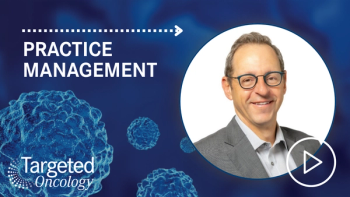
Benjamin Herzberg, MD, highlights ASCO 2026's most exciting KRAS data, sequencing strategies, and emerging therapies for KRAS-mutant lung cancer.
Advertisement
Episodes in this series






In this episode of The OncoloGIST, Benjamin Herzberg, MD, thoracic oncologist at Columbia University Herbert Irving Comprehensive Cancer Center, shares his key takeaways from ASCO 2026, with a focus on KRAS-mutant lung cancer and breakthrough data reshaping the oncology landscape.
Dr Herzberg opens with his most exciting data from the meeting: the RASolute 302 trial of daraxonrasib in pancreatic cancer, which demonstrated a striking overall survival benefit with a KRAS inhibitor targeting non-G12C mutations. While outside his primary specialty, he explains why this finding carries significant implications for thoracic oncology, given that non-G12C KRAS mutations account for roughly 60% of KRAS-mutant non–small cell lung cancer (NSCLC).
Within the lung cancer space, Dr Herzberg outlines the current unmet needs, pointing to the roughly 15% of KRAS mutations that are G12D—approximately 5% of all NSCLC—as a population urgently in need of approved therapies. He notes that even existing KRAS G12C inhibitors, while effective, tend to produce shorter durations of response compared to other targeted therapies, underscoring the need for better regimens across all KRAS-mutant subgroups.
On the topic of sequencing, Dr Herzberg explains that immunotherapy remains the standard first-line approach for patients with KRAS G12C mutations given their smoking history and immunotherapy responsiveness, though he highlights emerging combination strategies as particularly promising. He also offers practical guidance on when community oncologists should consider referring patients to academic centers, particularly for access to first-line clinical trials or post-progression studies with next-generation G12C inhibitors.
Advertisement
Related Content
Advertisement









































Advertisement
Advertisement
Trending on Targeted Oncology - Immunotherapy, Biomarkers, and Cancer Pathways
1
FDA Approves Reduced Monitoring Time for First 2 Tarlatamab Doses
2
Landmark ctDNA Testing Offers an Early Window Into Immunotherapy Response in NSCLC
3
Frontline Activity Seen With Zidesamtinib in ROS1+ NSCLC
4
FDA Approves Aminolevulinic Acid Gel With PDT for Superficial Basal Cell Carcinoma
5