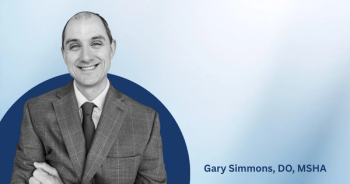
Gary Simmons, DO, MSHA, discusses outpatient CAR T-cell therapy in the community, the operational and payer bottlenecks his practice has faced, and advice for colleagues.

Oncology leaders weigh how to scale trustworthy AI platforms, align governance, and integrate care-research workflows for real-world adoption.
The potential of agentic artificial intelligence (AI) in oncology extends beyond developing effective tools; widespread adoption will depend on whether those tools can be implemented, trusted, and sustained within real-world clinical environments. In an interview with Targeted OncologyTM, Shaalan Beg, MD, MBA, FASCO, of ConcertAI, discusses what will be needed to move AI from select early-adopter sites into routine oncology practice.
Beg points to several factors that could shape adoption, including growing clinical experience with AI, increased trust, evolving governance and regulatory frameworks, and a clearer understanding of the value these tools provide to health systems. Implementation itself can be a significant challenge, particularly as organizations establish processes for evaluating and managing AI technologies.
He also discusses the importance of scalability. Rather than implementing numerous standalone tools, health systems may increasingly look for platforms that can support multiple clinical and research needs through a shared infrastructure. This approach could reduce the complexity associated with deploying, maintaining, and learning multiple technologies.
For oncology, the intersection of clinical care and clinical research is particularly important; the same physicians and practices often manage patients while participating in research, creating an opportunity for AI solutions to support both areas within existing workflows. As these tools mature and their value becomes clearer, integrated solutions that address multiple needs may play an important role in expanding the use of AI across community and health system settings.