
Neoadjuvant nivolumab/chemotherapy followed by response-stratified de-escalated chemoradiation showed strong potential in HPV-negative head and neck cancer.

Neoadjuvant nivolumab/chemotherapy followed by response-stratified de-escalated chemoradiation showed strong potential in HPV-negative head and neck cancer.

The FDA is evaluating a new drug application for taletrectinib in patients with ROS1 fusion–positive non–small cell lung cancer.

Vepdegestrant extended PFS vs fulvestrant in patients with ESR1m+, ER+/HER2– breast cancer who progressed on CDK 4/6 inhibitors and endocrine therapy.
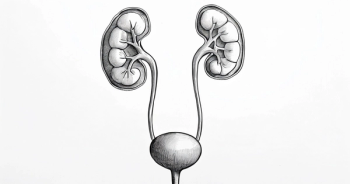
The antibody-drug conjugate FOR46 showed the strong potential of using CD46 as a new therapeutic target in metastatic castration-resistant prostate cancer.
The TKI zongertinib is currently being reviewed by the FDA for a potential approval for patients with HER2 mutation–positive non–small cell lung cancer.

Mutant KRAS in ctDNA in patients with localized pancreatic cancer was shown to be a biomarker for metastatic progression and overall survival.

The anti–PD-1/VEGF combination of pembrolizumab and bevacizumab elicited strong clinical activity in patients with melanoma brain metastases.

The off-the-shelf chimeric antigen receptor T-cell therapy P-BCMA-ALLO1 was shown to be safe and elicited strong anti-tumor activity in patients with relapsed/refractory multiple myeloma.

The addition of 177Lu-PSMA-617 to enzalutamide significantly improved overall survival and QOL in patients with metastatic castration-resistant prostate cancer.

5-year follow-up results from the phase 3 CheckMate 649 trial showed sustained efficacy with frontline nivolumab plus chemotherapy vs chemotherapy alone in patients with gastric cancers.

A regimen using the PD-L1 inhibitor atezolizumab in the neoadjuvant and adjuvant settings did not improve outcomes in patients with triple-negative breast cancer.
Adjuvant olaparib continued to show a strong efficacy benefit in patients with BRCA1/2 mutation–positive, HER2-negative high-risk breast cancer, according to 6-year data from the OlympiA trial.

“These long-term data support axicabtagene ciloleucel as a highly effective therapeutic approach for patients with relapsed or refractory indolent non-Hodgkin lymphoma, with curative potential in patients with follicular lymphoma,” said Sattva S. Neelapu, MD.
Long-term data from the pivotal phase 3 ELARA trial showed durable efficacy with tisagenlecleucel in high-risk follicular lymphoma subgroups.
Maintenance teclistamab either alone or combined with lenalidomide was safe and induced high rates of MRD negativity in patients with newly diagnosed multiple myeloma.

Neoadjuvant pembrolizumab with chemotherapy led to greater pathologic regression based on percent residual volume tumor vs placebo plus chemotherapy in patients with early-stage non–small cell lung cancer.

The application is supported by results from the phase III DESTINY-Breast06 trial.

The CARTITUDE-4 study found that cilta-cel reduced the risk of death by 45% compared to standard of care in patients with multiple myeloma.

Datopotamab deruxtecan elicited encouraging antitumor activity in patients with advanced/metastatic ovarian and endometrial cancer and progressive disease following platinum chemotherapy.
The combination of encorafenib, cetuximab, and FOLFIRI showed promising antitumor activity in patients with BRAF V600E-mutant metastatic colorectal cancer.

Reid W. Merryman, MD, discussed the latest developments with minimal residual disease assays in the management of patients with lymphoma.

The phase 2 PONALFIL trial evaluating a ponatinib regimen shows promise for long-term survival in adult patients with newly diagnosed Philadelphia chromosome–positive acute lymphoblastic leukemia.

A high complete response rate was achieved in patients with BCG–unresponsive NMIBC using the combination of cretostimogene grenadenorepvec and pembrolizumab, according to final phase 2 CORE-001 trial results.
A retrospective analysis of the phase 3 IMmotion010 trial suggests that KIM-1 levels might hold promise as a biomarker in renal cell carcinoma.
Based on a post-hoc analysis of the ARAMIS trial, darolutamide was associated with lower rates of PSA and radiological progression vs placebo as well as improving overall survival in patients with nonmetastatic castration-resistant prostate cancer.
A post-hoc analysis showed suspending enzalutamide does not impact quality of life in patients with nonmetastatic hormone-sensitive prostate cancer in the phase 3 EMBARK trial.
Cabazitaxel plus abiraterone showed improved survival results for patients with previously treated metastatic castration-resistant prostate cancer.

The addition of PSMA-PET imaging to multi-parametric MRI was associated with an improvement in the detection of clinically significant prostate cancer.
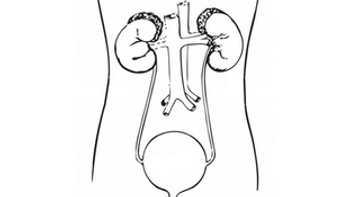
Three-year data showed durable clinical activity with nadofaragene firadenovec-vncg in patients with high-risk, BCG-unresponsive non–muscle-invasive bladder cancer with carcinoma in situ with or without papillary tumors.

Over three-fourths of patients with BCG-unresponsive, high-risk non–muscle-invasive bladder cancer treated with TAR-200 achieved complete responses in the phase 2b SUNRISE-1 trial.