
The American Urological Association Annual Meeting took place May 3-6, 2024, in San Antonio, Texas, where data across the field of urologic oncology were presented.

Sabrina Serani is the managing editor for Targeted Oncology, covering breast, lung, and brain cancers. Contact her at sserani@targetedonc.com.
The American Urological Association Annual Meeting took place May 3-6, 2024, in San Antonio, Texas, where data across the field of urologic oncology were presented.
Apalutamide with androgen deprivation therapy following radical prostatectomy led to a biochemical recurrence-free survival rate of 100% after 2 years among patients with high-risk prostate cancer.

Findings from a real-world study identified that venetoclax was a safe treatment option and did not lead to higher rates of death for patients with chronic lymphocytic leukemia who were diagnosed with COVID-19.

Acalabrutinib plus bendamustine and rituximab bettered progression-free survival over bendamustine and rituximab alone in patients with untreated mantle cell lymphoma.

C. Ola Landgren, MD, PhD, discussed the FDA’s unanimous ODAC vote supporting minimal residual disease as an accelerated approval end point in multiple myeloma and the implications of this vote in the myeloma research field.

Nivolumab monotherapy plus salvage nivolumab/ipilimumab demonstrated superior treatment-free survival rates among patients with advanced renal cell carcinoma, especially in patients with favorable risk profiles.

Recently published guidelines from the FDA aim to expand eligibility criteria in clinical trials with recommendations for laboratory values, washout periods, and patient performance status.
Cellular therapies are an effective option in hematologic malignancies but have been slower to develop in AML, but identifying new targets paves the way for evolving treatments.

Following its recent FDA approval in non-muscle-invasive bladder cancer, nogapendekin alfa has also shown overall survival benefits in addition to checkpoint inhibitor therapy in patients with non-small cell lung cancer.

Warren Fingrut, MD, discussed a study looking at HLA antibody burden among patients with blood cancers, particularly women who have carried multiple pregnancies.
The FDA has approved the new drug application of tovorafenib for the treatment of pediatric low-grade glioma.
Adding tislelizumab to chemotherapy improved overall survival and progression-free survival in patients with extensive-stage small cell lung cancer, according to findings from a phase 3 study.
This breakthrough therapy designation of ziftomenib marks the first of its kinds in NPM1-mutant acute myeloid leukemia.
A 2-year follow-up study showed that ibrutinib maintained efficacy and safety among patients with chronic lymphocytic leukemia, highlighting its importance in the field.
Following an investigation that began in November 2023, the FDA now requires boxed warnings regarding T-cell malignancies on all BCMA- and CD19-directed T-cell products.
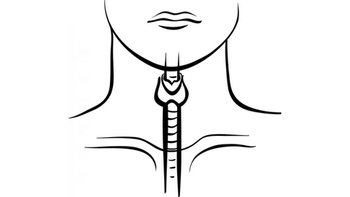
A novel scoring system including radiomics data may help clinicians identify the risk of central lymph node metastasis in patients with a subtype of thyroid cancer.
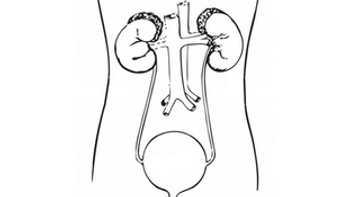
For patients who underwent radical cystectomy for bladder cancer, those with lower net worth incurred higher costs posttreatment.
Lova Sun, MD, MCSE, discussed genetic mutations in thyroid cancer and how they impact clinicians’ treatment options.
Combination therapy with nanatinostat and valganciclovir led to promising response rates among patients with Epstein-Barr Virus-positive peripheral T-cell lymphoma.
The phase 3 STARGLO trial met its primary end point, improving overall survival in patients with relapsed/refractory diffuse large B-cell lymphoma with glofitamab and chemotherapy vs rituximab and chemotherapy.

Results from a 3-year follow-up of the TOPAZ-1 trial showed that treatment with durvalumab plus chemotherapy in advanced biliary tract cancer continued to improve overall survival vs chemotherapy alone.
Jeff Auletta, MD, discussed how PTCy-based graft-vs-host disease prophylaxis offers a promising approach for expanding access to successful cell transplantation regardless of donor match or patient ethnicity.
The Oncologic Drugs Advisory Committee determined that minimal residual disease could serve as an accelerated approval end point in multiple myeloma clinical trials.
Natasha Leighl, MD, MMSc, BSc, discussed the analysis of the CHRYSALIS study that was presented at the 2024 American Association for Cancer Research Annual Meeting.

Sarah Lee, MD, MBA, discussed a study to better disaggregate the subgroup of Asian American patients with ovarian cancer.
Findings from a 3-year follow-up analysis found that nadofaragene firadenovec demonstrated durable, lasting results for patients with high-risk BCG-unresponsive non-muscle invasive bladder cancer.

Jeff Yorio, MD, discussed the unmet needs among patients with melanoma and plans for a phase 3 study assessing an mRNA vaccine.
The FDA’s fast track designation of LYT-200 in this population is supported by an ongoing phase 1/2 clinical trial.
Preoperative low-dose radiation did not deliver response rates comparable with higher doses of radiation among patients undergoing surgical resection for esophageal cancer.