


GENITOURINARY CANCERS
Latest News
Advertisement
Latest Videos







































Advertisement
More News

Tomasz M. Beer, MD, FACP, shares his personal experience using darolutamide for patients with CRPC and discusses his approach to patient selection of the drug in the metastatic setting.

Data from the phase 2 the phase 3 SWOG S1216 presented during the ASCO Annual Meeting shows numerical overall survival improvement with he experimental combination that missed the threshold for statistical significance.
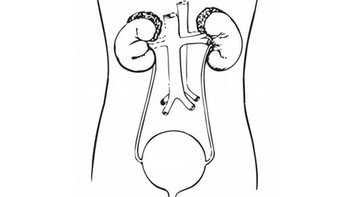
Immunotherapies are now accepted treatments in the maintenance and second-line settings for patients with metastatic urothelial cancer and in the setting of superficial UC–carcinoma in situ with prior intravesical therapy, according to updated NCCN guidelines
During a virtual Targeted Oncology Case-Based Roundtable event, Atish D. Choudhury, MD, PhD, discussed methods for treating patients with nonmetastatic prostate cancer with a group of peers.
During a virtual Targeted Oncology Case-Based Roundtable event, Tanya Dorff, MD, discussed the case of a 75-year-old man with metastatic castration-resistant prostate cancer.
Roundtable Discussion: Smith Leads a Discussion on the Utility of Genomic Testing in Prostate Cancer
During a Targeted Oncology Case-Based Roundtable event, Matthew Smith, MD, PhD, discussed genomic testing in prostate cancer with a group of peers.

The FDA has accepted a Biologics License Application for nivolumab for the adjuvant treatment of patients with surgically resected, high-risk muscle-invasive urothelial carcinoma and granted it Priority Review.
During a virtual Targeted Oncology Case-Based Roundtable event, Moshe Ornstein, MD, MA, discussed the case of a 59-year-old patient with clear cell renal cell carcinoma.
The FDA’s Oncologic Drug Advisory Committee voted 10 to 1 to continue the accelerated approval of atezolizumab for the frontline treatment of patients with urothelial cancer who are ineligible for cisplatin.
During a virtual Targeted Oncology Case-Based Roundtable event, Daniel P. Petrylak, MD, discussed the case of a 66-year-old woman with metastatic bladder cancer.
As a class, immune checkpoint inhibitor-based regimens outshine select targeted therapies in overall survival in patients with metastatic non–clear cell renal cell carcinoma.
Although curing advanced RCC is an admirable goal, there are many treatment options available on the horizon that result in substantial improvements in long-term outcomes.
Recent updates to the National Comprehensive Cancer Network’s guidelines for renal cell carcinoma reflect quick integration of new agents and combination regimens to provide patients with RCC with more treatment options and the most up-to-date options.
Men With High Genetic Risk of Lethal Prostate Cancer May Lower Their Risk With a Healthier Lifestyle
According to new research presented during the virtual AACR Annual Meeting 2021, the likelihood of developing metastatic disease or dying of prostate cancer among men with high genetic risk was lowered in men who maintained a healthy lifestyle.
Alicia K. Morgans, MD, MPH, associate professor of Medicine, Feinberg School of Medicine, Northwestern University, reviewed the clinical trial results for multiple hormonal therapies intended to treat prostate cancer. She explained that many of them show similar outcomes.
Robert J. Motzer, MD, discusses dosing strategies to mediate toxicities and maximize efficacy from the frontline combination of lenvatinib plus pembrolizumab for renal cell carcinoma.
Robert J. Motzer, MD, provides perspective on recent data from the phase 3 CLEAR trial (Study 307)/KEYNOTE-581 for advanced renal cell carcinoma.
A comprehensive review of the efficacy and safety data from the phase 3 CLEAR trial (Study 307/KEYNOTE-581) for the frontline treatment of advanced renal cell carcinoma.
An expert in genitourinary oncology, Robert J. Motzer, MD, reviews the recent historic advances in frontline combinations for the treatment of advanced clear-cell renal cell carcinoma.
The novel, selective hypoxia-inducible factor-2 alpha inhibitor belzutifan was granted a priority review by the FDA for the treatment of patients with von Hippel-Lindau disease–associated renal cell carcinoma who do not require immediate surgery.
The first therapy for adults with relapsed or refractory advanced renal cell carcinoma who have received two or more prior systemic therapies has been granted approval by the FDA.
During a virtual Targeted Oncology Case-Based Roundtable, Manojkumar Bupathi, MD, MS, reviewed second-line treatment options for transitional cell carcinoma.
During a virtual Targeted Oncology Case-Based Roundtable event, Anish B. Parikh, MD, discussed front-line treatment options for metastatic urothelial cancer as well as the data supporting avelumab maintenance.
The FDA has granted an Orphan Drug Designation to Padeliporfin Immune Photo Activated Cancer Therapy for the treatment of adult patients with upper tract urothelial cancer.
Updated data show a continued survival benefit for patients with metastatic renal cell carcinoma as the group reached the median overall survival endpoint for the phase II MERECA study.
Advertisement
Advertisement
Trending on Targeted Oncology - Immunotherapy, Biomarkers, and Cancer Pathways
1
Denosumab Biosimilar Approved For Existing Oncology Indications
2
FDA Oncology Recap: Approvals, Designations, and Decisions in September 2026
3
Giredestrant Plus Everolimus Improves PFS in ER+ Advanced Breast Cancer
4
Plinabulin Receives FDA Fast Track Designation in Post-ICI NSCLC
5