


GIST
Latest News
Advertisement
Latest Videos















































Advertisement
More News
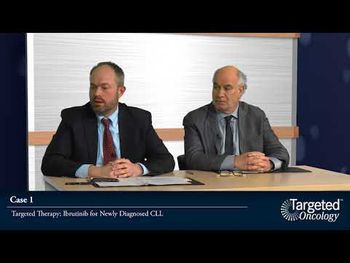
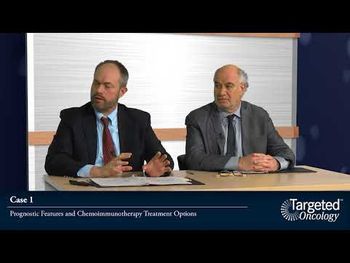

Carlos Becerra, MD, recently shared the treatment considerations and decisions he makes when treating patients with metastatic colorectal cancer and hepatocellular carcinoma. Becerra, a medical oncologist at Texas Oncology, Baylor Charles A. Sammons Cancer Center, explained his treatment decisions based on 2 case scenarios during a <em>Targeted Oncology </em>live case-based peer perspectives presentation.
Overall survival was extended in patients with hepatocellular carcinoma and elevated baseline alpha-fetoprotein (AFP) who received second-line treatment with ramucirumab (Cyramza) versus placebo, according to findings from the phase III REACH-2 trial.
The US Department of Defense has selected Sanjeevani Arora, PhD, as the recipient of the Peer Reviewed Cancer Research Program Career Development award and grant for fiscal year 2017. The grant will be used to fund clinical efforts benefiting both military and civilian patients.
According to early results of an ongoing early-phase study presented at the 2018 Society of Interventional Radiology Annual Scientific Meeting, image-guided injections of talimogene laherparepvec immunotherapy (T-VEC, Imylgic) were deemed tolerable in patients with advanced-stage liver metastases.
Internationally renowned expert, Johanna C. Bendell, MD, has been promoted to chief development officer at Sarah Cannon. Her title responsibilities include developing and expanding physician, site, and Pharma relationships across the Sarah Cannon Network, thereby expanding the organization’s efforts to bring more qualitative treatment options to its patients.


Prostate Cancer
John Marshall, MD, recently discussed the treatment options and decisions he makes when treating patients with metastatic colorectal cancer. Marshall explained his treatment decisions based on 2 case scenarios during a <em>Targeted Oncology </em>live case-based peer perspectives presentation.
According to results from the CALGB 8903 study published in the <em>Journal of Clinical Oncology, </em>there is an association between total nut intake and improved outcomes in patients with stage III colon cancer. Results of the study showed patients who ate at least 2 servings of nuts per week had superior disease-free survival and overall survival.
The FDA has granted a fast track designation to pamrevlumab for the treatment of patients with locally advanced, unresectable pancreatic cancer, according to FibroGen, the manufacturer of the first-in-class anti-CTGF antibody.
According to findings from the phase III REFLECT trial now published online in the <em>Lancet,</em><sup> </sup>lenvatinib improved progression-free survival and was noninferior for overall survival compared with sorafenib for the frontline treatment of patients with unresectable hepatocellular carcinoma.
Hackensack Meridian <em>Health</em> John Theurer Cancer Center at Hackensack University Medical Center has appointed Louis M. Weiner, MD, to its advisory board. Weiner is the director of the Georgetown Lombardi Cancer Center and director of the MedStar Georgetown Cancer Institute.
Michael A. Morse, MD, discusses a number of key trials that have broadened the treatment landscape of mCRC, the importance of toxicity management in this setting, and other ongoing developments in GI cancers.
Thomas Karasic, MD, investigator at Penn Medicine, discusses a phase II trial of palbociclib (Ibrance) in patients with advanced <br /> esophageal or gastric cancer.<br />
Updated findings of the CheckMate-142 study presented by Michael J. Overman, MD, at the 2018 Gastrointestinal Cancers Symposium continued to support the use of nivolumab alone or in combination with ipilimumab for previously treated patients with DNA mismatch repair-deficient/microsatellite instability-high metastatic colorectal cancer.
NYU Langone Health’s Perlmutter Cancer Center has announced that Paul E. Oberstein, MD, a nationally renowned clinician-scientist, will serve as director of Gastrointestinal (GI) Medical Oncology and assistant director of its recently established Pancreatic Cancer Center.

Maria Svensson, MD, Lund University, discusses associations of PD-1 and PD-L1 expression with mismatch repair status and prognosis in chemoradiotherapy-naïve esophageal and gastric adenocarcinoma.<br />
Advertisement
Advertisement
Trending on Targeted Oncology - Immunotherapy, Biomarkers, and Cancer Pathways
1
FDA Oncology Recap: Approvals, Designations, and Decisions in September 2026
2
Plinabulin Receives FDA Fast Track Designation in Post-ICI NSCLC
3
Denosumab Biosimilar Approved For Existing Oncology Indications
4
CEPHEUS and Frontline Treatment in Newly Diagnosed Multiple Myeloma
5