


Ovarian Cancer
Latest News
Advertisement
Latest Videos




































Advertisement
More News

Ahead of the 50th Annual SGO Meeting, Shannon Westin, MD discussed the key takeaways from a case chat and highlighted some data she is looking forward to at the meeting for patients with recurrent ovarian cancer. She also highlighted other data that will play an important part in this treatment landscape and for patients with recurrent cervical cancer.
The healthcare community is still awaiting a response from the Centers for Medicare & Medicaid Services to the opposition of the agency’s proposal to substantially revise the Medicare Part D protected drug classes.
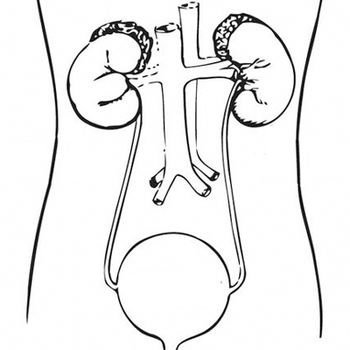
Overtreating men 70 years or older with prostate cancer cost Medicare more than $1.2 billion from 2004 to 2007, according to the results of a retrospective study using the Surveillance, Epidemiology, and End Results–Medicare linked database.
The phase III FORWARD I trial fell short of its primary endpoint, as findings showed the antibody-drug conjugate mirvetuximab soravtansine did not result in a progression-free survival improvement compared with chemotherapy in patients with folate receptor alpha–positive, platinum-resistant ovarian cancer and in an overall patient population.
Advances in checkpoint inhibitor therapy have gained speed in cancer care; however, ovarian cancer has yet to see any approved indications for immunotherapy agents, said Lana E. Kandalaft, PharmD, PhD, to an audience at the European Society for Medical Oncology 2018 Immuno-Oncology Congress.
Targeted therapy has effectively been established as an option for patients with ovarian cancers. However, beyond PARP inhibition in the <em>BRCA</em>-mutated or homologous recombination deficient population, questions remain about how to best treat these patients, Ramez N. Eskander, MD, said at the 2019 SGO Annual Winter Meeting.










General Cancer
Despite all the positive data associated with PARP inhibitors for the treatment of patients with epithelial ovarian cancer who have known <em>BRCA</em> mutations, these agents are not curing patients, said Leslie M. Randall, MD, MAS, at the 2019 SGO Annual Winter Meeting.
Genomic testing can help physicians in the treatment decision process for women with ovarian cancer. As more of these platforms become commercially available, however, physicians must also learn the similarities and differences between each of these tests.
Debra Richardson, MD, discussed the role of PARP inhibitor combinations for frontline maintenance of women with ovarian cancer at the 2019 SGO Winter Meeting.
According to recently announced topline findings, the confirmatory phase III SOLO-3 trial of olaparib has met its primary endpoint, demonstrating a statistically significant and clinically meaningful improvement in objective response rate in patients with <em>BRCA</em>-mutant ovarian cancer who have relapsed on at least 2 prior lines of therapy
At a planned interim analysis of the phase III JAVELIN Ovarian 100 study evaluating frontline avelumab in ovarian cancer, an independent panel determined the study would not meet its primary endpoint of progression-free survival. The co-developers of the PD-L1 inhibitor have announced they will terminate the trial on this basis.
Advertisement
Advertisement
Trending on Targeted Oncology - Immunotherapy, Biomarkers, and Cancer Pathways
1
IMS Day 1 Recap: Bispecific and CAR T Data Shape Myeloma Treatment
2
Rusfertide Receives NCCN Category 1 Designation in Polycythemia Vera
3
Global Experts Define Consensus Criteria for Cure in Multiple Myeloma
4
Life-Years Saved Captures Gains—and Gaps—in Blood Cancer Treatment
5