
Discover how precision lung cancer care tackles gene fusions, new HER2/ROS1/ALK drugs, expanded screening, and liquid biopsies shaping 2026 treatment.

Discover how precision lung cancer care tackles gene fusions, new HER2/ROS1/ALK drugs, expanded screening, and liquid biopsies shaping 2026 treatment.
Neoadjuvant chemotherapy increasingly matches upfront debulking outcomes, reducing extreme surgery risks while highlighting why patients still need access to R0 radical resection.

In an interview, Neeta Somaiah, MD, discussed potential areas of exploration in treating gastrointestinal stromal tumors.
New data links PARP maintenance after recurrence to higher AML/MDS risk and shorter survival, pushing most use to frontline therapy.
Precision drugs, immunotherapy, and radiosurgery transform brain metastases care, extending survival years as teams tackle adverse effects.
Molecular profiling guides ovarian cancer maintenance: HRD and BRCA results steer PARP inhibitors, bevacizumab choices, and patient counseling.

Dr Manmeet Ahluwalia explores how precision oncology and targeted therapies are transforming brain metastases care, extending survival from months to years.
Patients with cancer avoid risky hair vitamins: review supplements for drug interactions, and consider topical minoxidil for proven, safer regrowth.
Cancer patients battling treatment-related hair loss often try biotin, but it rarely helps and can distort critical lab tests guiding oncology decisions.

In an interview on the first-in-human phase 1 study of gintemetostat, Saad Z. Usmani, MD, PhD, detailed the initial safety and efficacy findings for this oral therapy in patients with heavily pretreated, late-relapsed multiple myeloma.
Trilaciclib reshapes SCLC supportive care by protecting bone marrow from chemo, reducing anemia and thrombocytopenia, and improving treatment tolerance and quality of life.

Brittany Dulmage, MD, discusses why a popular ingredient in hair, skin, and nails vitamins may not be a safe option for patients undergoing cancer treatment.
New targeted drugs transform HER2, ROS1 and ALK lung cancer care, boosting brain response and survival—while precision choices still matter.
In an interview, Saad Z. Usmani, MD, MBA, discussed the significance of phase 1 outcomes of gintemetostat therapy for patients with heavily pretreated multiple myeloma.

SEER-Medicare data show just 4% of older adults with blood cancers enter clinical trials, revealing disparities and fixable access barriers.
South Florida’s diverse lung cancer cases fuel genomic breakthroughs, push screening beyond smokers, and accelerate 2026 targeted-therapy progress.
Although not as essential as in other tumor types, genomic testing is increasingly playing a role in guiding treatment for advanced sarcoma.

Community oncology delivers high-quality, lower-cost cancer care near home, but faces trial barriers, staff shortages, and rising complexity—driving AI-enabled, partnered transformation.

t-MDS treatments boost remission with HMA combinations, yet overall survival still lags; experts await breakthrough therapies that extend life and preserve quality of life.
Azacitidine plus venetoclax boosts response rates in therapy-related high-risk MDS, enabling transplant bridging despite frequent severe cytopenias and infection risk.

Study finds income and other financial factors outweigh race in determining cancer trial enrollment, highlighting reforms and simpler trial designs to expand access.
Explore why therapy-related high-risk MDS resists standard HMAs and how azacitidine plus venetoclax aims to improve outcomes and bridge to transplant.
Dr. Mukherjee explores the future of antibody-drug conjugates in GI cancers, emphasizing precision medicine and targeted therapies for optimal patient outcomes.

Phase 2 trial tests azacitidine plus venetoclax in therapy-related high-risk MDS, showing remissions and better posttransplant survival despite TP53 mutations.
Clinicians explore the shift towards earlier use of antibody-drug conjugates in GI oncology, aiming to enhance patient outcomes and treatment efficacy.

TNBC care shifts to TROP2 ADCs plus immunotherapy, highlighting early relapse needs, sequencing dilem
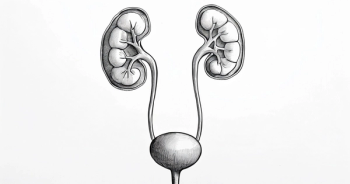
During his presentation at the 4th Annual Miami Cancer Institute Precision Oncology Symposium, Petros Grivas, MD, PhD, FASCO, provided a detailed roadmap for community oncologists with an emphasis on precision medicine.
Recent trials reveal promising advancements in targeted therapies for chondrosarcomas and tenosynovial giant cell tumors.
Explore the vital role of antibody-drug conjugates in precision oncology for GI malignancies, focusing on managing payload-dependent toxicities effectively.