New targeted drugs transform HER2, ROS1 and ALK lung cancer care, boosting brain response and survival—while precision choices still matter.

New targeted drugs transform HER2, ROS1 and ALK lung cancer care, boosting brain response and survival—while precision choices still matter.

In an interview, Saad Z. Usmani, MD, MBA, discussed the significance of phase 1 outcomes of gintemetostat therapy for patients with heavily pretreated multiple myeloma.

SEER-Medicare data show just 4% of older adults with blood cancers enter clinical trials, revealing disparities and fixable access barriers.
South Florida’s diverse lung cancer cases fuel genomic breakthroughs, push screening beyond smokers, and accelerate 2026 targeted-therapy progress.
Although not as essential as in other tumor types, genomic testing is increasingly playing a role in guiding treatment for advanced sarcoma.

Community oncology delivers high-quality, lower-cost cancer care near home, but faces trial barriers, staff shortages, and rising complexity—driving AI-enabled, partnered transformation.
t-MDS treatments boost remission with HMA combinations, yet overall survival still lags; experts await breakthrough therapies that extend life and preserve quality of life.
Azacitidine plus venetoclax boosts response rates in therapy-related high-risk MDS, enabling transplant bridging despite frequent severe cytopenias and infection risk.

Study finds income and other financial factors outweigh race in determining cancer trial enrollment, highlighting reforms and simpler trial designs to expand access.
Explore why therapy-related high-risk MDS resists standard HMAs and how azacitidine plus venetoclax aims to improve outcomes and bridge to transplant.
Dr. Mukherjee explores the future of antibody-drug conjugates in GI cancers, emphasizing precision medicine and targeted therapies for optimal patient outcomes.

Phase 2 trial tests azacitidine plus venetoclax in therapy-related high-risk MDS, showing remissions and better posttransplant survival despite TP53 mutations.
Clinicians explore the shift towards earlier use of antibody-drug conjugates in GI oncology, aiming to enhance patient outcomes and treatment efficacy.

TNBC care shifts to TROP2 ADCs plus immunotherapy, highlighting early relapse needs, sequencing dilem
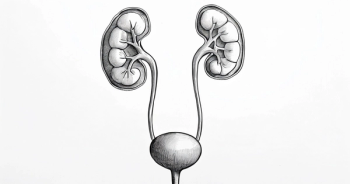
During his presentation at the 4th Annual Miami Cancer Institute Precision Oncology Symposium, Petros Grivas, MD, PhD, FASCO, provided a detailed roadmap for community oncologists with an emphasis on precision medicine.
Recent trials reveal promising advancements in targeted therapies for chondrosarcomas and tenosynovial giant cell tumors.
Explore the vital role of antibody-drug conjugates in precision oncology for GI malignancies, focusing on managing payload-dependent toxicities effectively.

Discover the latest advancements in pancreatic cancer treatment, including targeted therapies and next-generation sequencing, transforming patient care and outcomes.

Discover how antibody-drug conjugates (ADCs) are transforming treatment strategies for gastrointestinal cancers, enhancing precision and patient outcomes.
Dr. Filippo Pietrantonio explores the manageable safety profile of amivantamab combined with chemotherapy for metastatic colorectal cancer patients.
Roberto Mina, MD, discusses the distinguishing factors of the MajesTEC-3 and MajesTEC-9 trials of teclistamab in multiple myeloma.
Dr. Filippo Pietrantonio explores how amivantamab may transform surgical options for patients with advanced colorectal cancer, enhancing treatment outcomes.

Phase 2 trial shows abemaciclib prolongs disease control in recurrent high‑grade meningioma with NF2/CDK alterations, with 58% PFS at 6 months.
New data from the OrigAMI-1 study highlights promising efficacy and safety of amivantamab with chemotherapy for metastatic colorectal cancer patients.

New trial results reveal zanidatamab significantly improves survival in HER2-positive advanced gastroesophageal adenocarcinoma, challenging existing treatment standards.

A virtual collaborative care model enhances mental health support in oncology, improving patient outcomes and addressing care disparities in underserved populations.
Filippo Pietrantonio discusses overcoming resistance in metastatic colorectal cancer with innovative trials for amivantamab, enhancing treatment efficacy.

Deb Schrag, MD, emphasizes AI's role in enhancing cancer care, addressing early-onset cancers, and improving workforce well-being as she prepares for ASCO leadership.

Marginal zone lymphoma treatment evolves with promising CAR T-cell therapies, addressing unmet needs in aggressive cases and improving patient outcomes.
Explore innovative strategies in small cell lung cancer treatment, focusing on bone marrow protection to enhance patient outcomes and treatment durability.