
The treatment options for patients with relapsed/refractory multiple myeloma are expanding rapidly, notably through clinical trial evidence supporting a number of three-drug combination regimens.

The treatment options for patients with relapsed/refractory multiple myeloma are expanding rapidly, notably through clinical trial evidence supporting a number of three-drug combination regimens.

Heterogeneity, which can result in treatment resistance, is commonly underestimated and misunderstood, representing an important area of future research.

An immune checkpoint inhibitor combined with active immunotherapy has a potential positive effect on overall survival (OS) in the treatment of metastatic castration-resistant prostate cancer (mCRPC).

Jennifer H. Kuo, MD, director, Thyroid Biopsy Program, Columbia University, discusses a study looking at the incidence of thyroid cancer among breast cancer survivors.

While not appropriate for all patients with ER-positive breast cancer, neoadjuvant endocrine therapy could play an important role in select groups of women with comorbidities or those with ER-rich/luminal A disease.

Cytogenetic and molecular data are becoming increasingly important in the individualization of treatment of patients with acute myeloid leukemia (AML).

Tumor genome profiling identifies driver mutations in breast tumors, however, it is still too early to use this information in clinical decision making, according to Hope S. Rugo, MD.

The antiangiogenic agent pazopanib combined with paclitaxel showed significant antitumor activity in a phase II study of patients with relapsed/refractory urothelial cancer.
Lori J. Wirth, MD, discusses an open-label extension of the phase III SELECT trial, which looked at lenvatinib versus placebo for differentiated thyroid cancer.

Poly (ADP-ribose) polymerase-1 (PARP-1) is a multifunctional, chromatin-regulating protein. PARP inhibitors are currently undergoing clinical trials as potential targeted therapies for the treatment of breast, uterine, colorectal, and ovarian cancer.
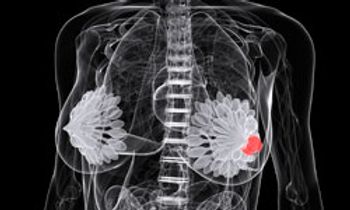
The oral androgen receptor inhibitor, enzalutamide, blocks several steps in the androgen receptor signaling pathway and prevents the entry of androgen receptor into the cell nucleus.

A recent study showed that the androgen receptor (AR) splice variant AR-V7 activated full-length AR through an alternative biosynthesis pathway and increased citrate utilization through altered metabolic activities, which may partially explain its resistance to conventional androgen deprivation therapy (ADT).
Steven I. Sherman, MD, discusses the relationship between thyroid-stimulating hormone levels and outcomes from the phase III SELECT trial.

On February 13, 2015, the FDA approved lenvatinib for treatment of locally recurrent or metastatic differentiated thyroid cancer that is refractory to radioactive iodine therapy.

Frances Carr, PhD, professor, Department of Pharmacology, The University of Vermont, discusses the relationship between the thyroid hormone receptor and Runx2 expression in thyroid cancer cells.

According to a recent descriptive analysis of the VA Corporate Data Warehouse, veterans who reported Agent Orange exposure had higher rates of thyroid cancer compared to the overall national VA health care patient population.

The incidence of thyroid cancer, which is now the most rapidly increasing endocrine malignancy, has been increasing at a rate of 3% to 5% per year, resulting in a near doubling in the past 30 years.

In an analysis of adverse events following treatment of patients with advanced melanoma with ipilimumab and nivolumab, combination therapy was associated with a 22% incidence of either thyroiditis or hypothyroidism and a 9% incidence of hypophysitis.

R. Michael Tuttle, MD, discusses a study that looked at augmenting pre-operative risk of recurrence stratification in differentiated thyroid carcinoma.

Tyrosine-kinase inhibitors (TKIs) are a mainstay of therapy for patients with advanced thyroid cancer, more than doubling progression-free survival.

Patients with a history of breast cancer have a higher risk of developing thyroid cancer than do the general population, particularly if they receive adjuvant radiation therapy.

MPDL3280A, an investigational antibody that targets programmed death-ligand 1 (PD-L1), in combination with bevacizumab had strong antitumor activity and induced responses in 4 of 10 patients with mRCC.

Bishoy Faltas, MD, clinical fellow, Weill Cornell Medical College, discusses clonal heterogeneity in platinum-resistant metastatic urothelial cancer.
Clifford A. Hudis, MD, chief, Breast Medicine Service, Memorial Sloan Kettering Cancer Center, discusses dose-dense chemotherapy for the treatment of patients with breast cancer.

Moving early to diagnose and treat lymphedema after breast cancer treatment can reverse this side effect or prevent it from becoming severe.

Although advances are being made in novel therapies for patients with chronic lymphocytic leukemia (CLL), standard chemotherapy remains part of the treatment paradigm, but its role is undergoing a major shift.
Martin H. Voss, MD, medical oncologist, Memorial Sloan Kettering Cancer Center, discusses the phase I/II DART study.

The risk of dying from prostate cancer increased fourfold when active surveillance was used to monitor men with intermediate-risk disease compared with low-risk prostate cancer patients, according to results of a new study, the first to examine long-term outcomes of patients with low- versus intermediate-risk prostate cancer who have been managed with this conservative approach to care.

Neither sorafenib nor sunitinib improved outcomes when administered after surgery to patients with locally advanced renal cell carcinoma (RCC), according to results from the phase III ASSURE trial. These results were presented at a presscast held ahead of the 2015 Genitourinary Cancers Symposium.

Follicular lymphoma (FL) is a slow-growing and typically asymptomatic disease, characterized by many relapses.