A new immune checkpoint called PVRIG has emerged as a ripe target for anticancer therapy in solid tumors and an antibody that blocks its ability to suppress an antitumor response is in development.<br />

A new immune checkpoint called PVRIG has emerged as a ripe target for anticancer therapy in solid tumors and an antibody that blocks its ability to suppress an antitumor response is in development.<br />

Pembrolizumab plus low dose metronomic cyclophosphamide demonstrated limited patient benefit in adult patients with diverse types of unresectable locally advanced or metastatic sarcoma.<br />

The presence of both PD-L1–positive and CD8+ cells may help to predict response in patients with non–small cell lung cancer (NSCLC) treated with durvalumab (MEDI4736), according to findings presented during a late-breaking abstract session at the <em>SITC 31st Annual Meeting & Associated Programs</em>. Sonja Althammer, PhD, presented on the correlation between improved survival rates to durvalumab treatment and high CD8+ and PD-L1+ cell densities.
Elizabeth Loggers, MD, PhD, medical oncologist, Seattle Cancer Care Alliance, discusses the role that she expects immunotherapy will play in the future treatment landscape of sarcoma.
Clinical benefit, including partial response and stable disease, was observed in 11 of 20 patients with relapsed metastatic sarcoma following nivolumab treatment that was administered either alone or in combination with pazopanib.
Electronic health records have been heralded as a means of launching oncology into a precise and personalized world of medicine, but they have failed in many respects.
With olaparib approved and niraparib and rucaparib advancing through clinical development, PARP inhibition is becoming a valuable option in the ovarian cancer armamentarium.
Omid Hamid, MD, chief, Translational Research and Immunotherapy, director, Melanoma Therapeutics, discusses current and emerging immunotherapeutic strategies in the field of melanoma during an interview at the 34th Annual Chemotherapy Foundation Symposium<sup>TM</sup>.
Updated results of the multicenter phase II study SARC028 demonstrate both a favorable safety profile as well as encouraging efficacy for the use pembrolizumab (Keytruda) as a treatment for patients with advanced sarcomas.

Findings from a highly anticipated, randomized, phase II trial could possibly pave the path for the FDA approval of the first targeted therapy for patients with triple-negative breast cancer (TNBC), explains Linda T. Vahdat, MD.<br />
Treatment with pembrolizumab, an immunotherapeutic agent approved in melanoma, lung, and head and neck cancer, and which is undergoing investigation in several other cancer types, reduced the size of tumors in patients with a specific soft tissue sarcoma.
Ian Judson, MD, medical oncologist, The Royal Marsden Hospital, discusses the future role of olaratumab in the treatment of patients with sarcoma.
Adjuvant chemotherapy was found to decrease the rates of local recurrence in some subtypes of extremity soft tissue sarcoma; however, the use of adjuvant/neoadjuvant therapy did not impact overall survival.

Linda T. Vahdat, MD, PhD, Breast Cancer Research Program Leader at Meyer Cancer Center, Weill Cornell Medicine and NewYork-Presbyterian, discusses the current progress being made with glembatumumab vedotin in triple-negative breast cancer (TNBC) and what the future holds for this agent.
<br /> Local recurrence is associated with very poor prognosis in patients with Ewing sarcoma. Researchers are seeking to identify the factors associated with local recurrence in patients undergoing multimodal treatment.
The use of neoadjuvant chemotherapy for the treatment of advanced ovarian cancer has risen dramatically in recent years, improving quality of life for patients and reducing morbidity, but challenges remain for oncologists looking to deploy this treatment approach in clinical practice.

When it comes to adverse events and duration of response, next-generation BTK inhibitors in chronic lymphocytic leukemia compare favorably with ibrutinib.
Immune checkpoint inhibitor development is progressing as treatments for patients with acute myeloid leukemia and myelodysplastic syndrome, with a number of studies currently assessing new combination strategies.
David Thomas, FRACP, PhD, director and division head, Genomic Cancer Medicine, Cancer Division, Garvan Institute of Medical Research, discusses the genomic features of sarcoma and how they factor into the treatment landscape of this disease.

Ruben A. Mesa, MD, chair, Division of Hematology and Medical Oncology, deputy director, professor of Medicine, Mayo Clinic, discusses the NCCN Clinical Practice Guidelines for myeloproliferative neoplasms (MPNs) and who the recommendations will transition over the next year. Mesa spoke on the topic during an interview at the 34th Annual Chemotherapy Foundation Symposium™, held November 9-11, 2016 in New York City.
Studies testing immune checkpoint inhibitors in combination with other agents for the treatment of both Hodgkin and non-Hodgkin lymphoma are garnering attention among researchers.
The availability of several new treatments has dramatically transformed the treatment paradigm for multiple myeloma in the past few years.
Alessandro Gronchi, MD, discusses the impact of olaratumab and other emerging agents for the treatment of sarcoma, as well as what to expect at this year’s CTOS meeting.
Alessandro Gronchi, MD, president, Connective Tissue Oncology Society (CTOS), discusses some of the exciting data that will be presented at the 21st annual CTOS meeting in Lisbon, Portugal.
The key to inducing durable responses with immunotherapy in multiple myeloma may depend on the effective use of combination strategies, particularly for the use of monoclonal antibodies.

Jasgit Sachdev, MD, clinical associate professor at Translational Genomics Research Institute, discusses a recent study of novel antibody-drug conjugate targeting protein tyrosine kinase 7 (PTK7) in ovarian cancer.
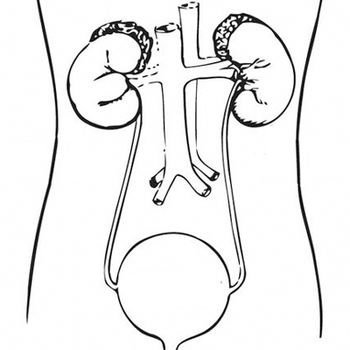
Study results that examined patient-reported outcomes and quality of life measures demonstrate that hypofractionated radiotherapy (H-RT) is a viable, safe, and value-added alternative to patients with low-risk prostate cancer.

Puneeth Iyengar, MD, PhD, radiation oncologist, University of Texas Southwestern Medical Center, discusses the two potential roles immunotherapy could play in the treatment of NSCLC.

Patients with low-risk meningioma had a 3-year progression-free survival (PFS) that modestly exceeded expectations after gross total resection followed by observation, results of a cooperative group trial showed.
Ann H. Klopp, MD, PhD, discusses the results of a recent trial comparing standard radiation to intensity-modulated radiation therapy (IMRT) in endometrial and cervical cancer, and what impact these results will have.