
The FDA completed its inspection of a third-party filler, and no additional data or trials have been requested for resubmission.


Your AI-Trained Oncology Knowledge Connection!
The FDA completed its inspection of a third-party filler, and no additional data or trials have been requested for resubmission.
Patients who are currently benefiting from lacutamab may continue to receive the treatment while the clinical hold is in place.

Investigators presented results from new studies at the 2023 ASTRO Meeting. The data showcase a new assay’s performance in predicting metastasis-free survival and distant metastasis.

Additional findings from the phase 3 LIGHTHOUSE trial support flotufolastat F 18 injection and its approval in the prostate cancer space.

The search continues for unique single and combination agents used with anti–PD-1/ PD-L1 approaches.

The improvement in progression-free survival in the venetoclax arm of the study was not statistically significant compared to the control arm but results still trend positively.
The FDA’s Oncologic Drug Advisory Committee met to discuss the supplemental new drug application for sotorasib for the treatment of adult patients with KRAS G12C mutated non–small cell lung cancer.
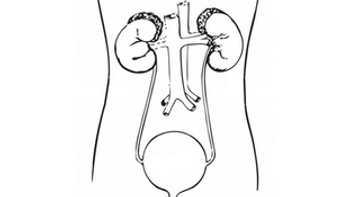
Meeting a primary end point, KEYNOTE-123 study shows promise for pembrolizumab as an adjuvant muscle-invasive bladder cancer treatment.
The CRCdx RAS mutation detection kit was designed to detect 35 variants of KRAS and NRAS exon 2, 3, and 4 somatic mutations in patients with colorectal cancer.
Although conventional chemotherapy, surgery, and radiotherapy are the foundation of treatment, adverse events such as risk of infection—bacterial and fungal—present clinical challenges.
According to a follow-up survey by the National Comprehensive Cancer Network, 86% of cancer centers included are still experiencing oncology drug shortages.
Here is a lookback at all of the FDA happenings from September 2023.
BI 764532 is under investigation in a first-in-human phase 1 trial for patients with extensive-stage small cell lung cancer and extrapulmonary neuroendocrine carcinoma.
The decision marks the first time the FDA has relied on a single externally controlled trial to support a potential approval in oncology.
Yann-Alexandre Vano, MD, discusses some of the exciting data being seen in the renal cell carcinoma space.

Midway through the IMMUNOCERV trial, PDS0101 enhances the production of versatile CD8 killer T cells, leading to reduced tumor DNA and significant tumor shrinkage of over 60% in all patients with high-risk cervical cancer.
Top-line results from a phase 2b trial evaluating FG001 for patients with high-grade glioma are expected by the end of November.

Further development of 177Lu-satoreotide tetraxetan is expected after promising data from a phase 1/2 trial were recently published.
The classes of cellular immunotherapies and those blocking negative regulatory signals, known as immune checkpoint blockade, have revolutionized cancer treatment.
The phase 1/2 trial is evaluating 64Cu/67Cu SAR-Bombesin for diagnosis and treatment of castrate resistant prostate cancer.

The final analysis of the phase 2 ASPEN-06 is underway and expected to complete in 2024.
Marcia S. Brose, MD, PhD, FASCO, discusses the landscape of thyroid cancer by explaining the complexities and promising advancements seen in the space.

Based on the recommendation of an independent data monitoring committee and positive topline data, accrual in the KMT2A-rearranged cohorts of the AUGMENT-101 trial of revumenib will be stopped.
In an interview, Nathan Bahary, MD, PhD, explains what factors have contributed to the rise in oncology drug shortages, and emphasizes the importance of proactive measures moving forward, while also suggesting the importance of policy changes and increased communication.
The FDA and Takeda have decided to voluntarily withdraw mobocertinib, a drug for patients with EGFR exon20 insertion mutation-positive non–small cell lung cancer.
Phase 2 studies are investigating BDC-1001 in HER2-positive gastroesophageal, colorectal, breast, and endometrial cancers.

Liquid biopsy is offering a noninvasive, real-time, and personalized approach to tumor assessment, and is already revolutionizing the field of clinical oncology.
The fast track designation for AVB-001 granted by the FDA recognizes its potential as a treatment option for patients with relapsed/refractory ovarian cancer.

An MCGN drug combination shows potential to be more effective than standard chemotherapy alone for treatment-naïve metastatic pancreatic cancer.
Justin Taylor, MD, discusses the treatment landscape for chronic lymphocytic leukemia and background on his early research assessing NX-2127 for this patient population.