
The FDA cleared the investigational new drug application for LTZ-301, a first-in-class myeloid engager immunotherapy, with a phase 1 study set for mid-2025.


Your AI-Trained Oncology Knowledge Connection!
The FDA cleared the investigational new drug application for LTZ-301, a first-in-class myeloid engager immunotherapy, with a phase 1 study set for mid-2025.

Gwen Nichols, MD, discussed the potential implications of recent funding cuts, how they are affecting academic and community oncologists, and what may be done to mitigate the damage.
Nivolumab plus ipilimumab is being reviewed by the FDA as a first-line treatment for advanced colorectal cancer, with a decision expected by June 2025.

A study found a 94% 6-month survival rate after tandem autologous stem cell transplant for high-risk neuroblastoma, but serious complications reduced survival.
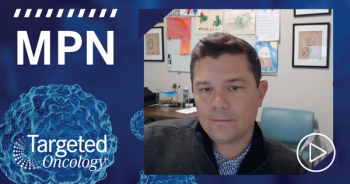
Andrew Kuykendall, MD, discusses the background, methods, and design of a phase 2 study which evaluated fedratinib.

FDA approves vimseltinib for tenosynovial giant cell tumor and a triplet for R/R LBCL, plus the latest from ASCO GU 2025.
Kathryn Beckermann, MD, PhD, discusses the patient-reported outcomes for tivozanib plus nivolumab from the phase 3 TiNivo-2 study.
Hany Elmariah, MD, discussed the safety profile of fedratinib and its evolving role in the post-transplant setting for patients with myeloproliferative neoplasms.
Funda Meric-Bernstam, MD, discusses updated findings from the phase 1 TROPION-PanTumor01 study of datopotamab deruxtecan-dlnk in heavily pretreated locally advanced or metastatic urothelial cancer.
The FDA has granted fast track status to 67Cu-SAR-bisPSMA for metastatic prostate cancer that is resistant to hormone therapy after prior treatment, based on SECuRE trial data.

The FORTIFI-HN01 trial has begun enrolling patients with advanced head and neck cancer to evaluate ficerafusp alfa plus pembrolizumab as a first-line therapy.
The FDA granted breakthrough therapy status to first-line petosemtamab plus pembrolizumab for PD-L1–positive recurrent or metastatic head and neck squamous cell carcinoma.

The CRISTALLO trial showed that venetoclax plus obinutuzumab achieved high minimal residual disease negativity as a frontline chronic lymphocytic leukemia therapy.

Casdatifan, a HIF-2α inhibitor, shows early clinical activity and good tolerance in patients with previously treated clear cell renal cell carcinoma.
Shilpa Gupta, MD, discusses the key takeaways from the long-term outcomes of the JAVELIN Bladder 100 trial for community oncologists.
Based on data from the Beamion LUNG-1 trial, the FDA granted a priority review to zongertinib for patients with HER2-mutant advanced non–small cell lung cancer.
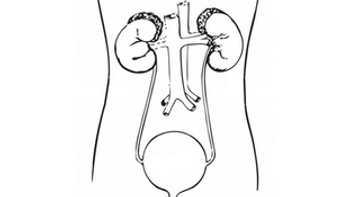
Studies from Munich University highlighted quality of life in bladder and prostate cancer at ASCO 2025 Genitourinary Cancers Symposium.
The FDA has granted a priority review to dordaviprone for treating patients with recurrent H3K27M-mutant diffuse glioma, a population with limited treatment options.

Avelumab plus axitinib was effective and safe in real-world advanced kidney cancer, with outcomes matching clinical trials, according to AVION study findings.
Olanzapine may help manage adverse effects from tyrosine kinase inhibitors, though further randomized, placebo-controlled studies are needed to confirm these findings.

Poor physical performance in patients with non-Hodgkin lymphoma receiving CAR T-cell therapy was linked to worse survival and increased risk of neurotoxicity in a cohort study.

Olalekan O Oluwole, MD, MBBS, discusses the background and rationale of the research he contributed to, which was presented at the 2025 Transplantation & Cellular Therapy Meetings.
CAR T-cell therapy showed efficacy in relapsed large B-cell lymphoma across age groups, including patients 70 and 80 years or older.
Avelumab maintenance with axitinib interruption was feasible in metastatic renal cell carcinoma responders, according to updated phase 2 TIDE-A study results.
The FDA granted fast track status to IBI363 for the treatment of patients with advanced squamous lung cancer after prior treatment.
The FDA granted Regenerative Medicine Advanced Therapy designation to NXC-201 for the treatment of relapsed/refractory light chain amyloidosis.
Proactive onco-coaching did not improve quality of life but was linked to better overall survival in patients with metastatic renal cell carcinoma.
Tivozanib at 1.34 mg showed greater antitumor activity than 0.89 mg, with similar hypertension rates, in kidney cancer.

Over 90% adherence to relugolix in patients with Medicare with prostate cancer for 24 months supports its use as androgen deprivation therapy, per real-world study data.
Avelumab plus best supportive care improved survival vs best supportive care alone in advanced urothelial carcinoma, regardless of diabetes status.