
Gabriela Hobbs, MD, discusses the unmet needs that have yet to be filled in the post-myeloproliferative neoplasm acute leukemia space.


Your AI-Trained Oncology Knowledge Connection!
Gabriela Hobbs, MD, discusses the unmet needs that have yet to be filled in the post-myeloproliferative neoplasm acute leukemia space.
Siddhartha Mukherjee, MD, explains the current golden standard for frontline treatment of patients with acute myeloid leukemia.

Findings from the phase 3 APHINITY study show that the combination pertuzumab, trastuzumab, and chemotherapy improves invasive disease-free survival compared with trastuzumab and chemotherapy alone in patients with lymph node-positive, HER2-positive early breast cancer.

In an interview with Targeted Oncology, Cristian Tomasetti, PhD, discussed the role of circulating tumor DNA in understanding the need for adjuvant chemotherapy in patients with stage II colon cancer. He explained how circulating tumor DNA can signal a patient’s risk of disease recurrence after surgery.

In an interview with Targeted Oncology, Aaron T. Gerds, MD, MS, discussed phase 3 MOMENTUM study and how it has impacted the clinical trial development of momelotinib for the treatment of patients with myelofibrosis.
The FDA has approved crizotinib as treatment for adult and pediatric patients aged 1 year and older with unresectable, recurrent, or refractory inflammatory ALK-positive myofibroblastic tumors.
A highly anticipated presentation at the 2022 World Conference on Lung Cancer will be the first report of efficacy and safety from the phase 1b/2 CodeBreak 101 clinical trial and will provide updated results from the phase 2 CodeBreak 100 study.

Ryan Sugarman, MD, discusses the key takeaways from the CheckMate-649 trial of patients with advanced gastric cancer, gastroesophageal junction cancer, and esophageal adenocarcinoma receiving nivolumab combined with chemotherapy compared with chemotherapy alone in the first-line.
The FDA has deferred action on the biologics license application for tislelizumab as a second-line treatment in esophageal squamous cell carcinoma.
Upcoming data from part C of the DisTinGuish study will further confirm the benefit and safety of DKN-01 in combination with tislelizumab in patients with unresectable, locally advanced or metastatic gastric or gastroesophageal adenocarcinoma.

In the interview, Mark Markowski, MD, discussed how the findings from the phase 1/2 trial of sabizabulin in patients with metastatic castration-resistant prostate cancer this may influence future research with the oral agent.
Visits to the phase 3 FLAMINGO-01 clinical trial sites have been initiated following the lift of a FDA clinical hold.
Orphan drug designation has been granted to NT-I7 by the FDA for patients with glioblastoma multiforme.

Results from the primary analysis of the phase 3 COSMIC-313 trial showed significant improvement in progression-free survival in patients with renal cell carcinoma receiving the combination of cabozantinib, nivolumab, and ipilimumab.
An orphan drug designation and a fast track designation have been granted by the FDA to a novel sonodynamic therapy platform as a potential treatment for patients with recurrent glioblastoma and other malignant gliomas.
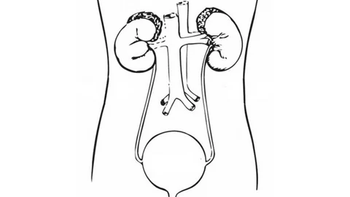
In an interview with Targeted Oncology, Matthew T. Campbell, MD, examined the positive phase 1 study results of infigratinib for the treatment of patients with localized upper tract urothelial cancer.

Hispanic and Black men are showing higher cancer-specific mortality rates from HPV-associated throat cancer, and most new cases are being diagnosed in White men at a late-stage.
Remote technology and decentralization tools in cancer clinical trials may be linked to an increase in patient consent rate, according to findings from a cross-sectional study.
Based on findings from the TULIP study, [vic-] trastuzumab duocarmazine may be a new standard treatment option for patients with HER2-positive unresectable locally advanced metastatic breast cancer. a biologics license application has been accepted by the FDA.
Two phase 1/2 trials of IAP0971 and IAE0972 in patients with locally-advanced or metastatic malignant tumors have dosed their first patients.
Orphan drug designation has been granted by the FDA to PBI-200 for the treatment of patients with NTRK fusion–positive solid tumors, including primary and metastatic brain tumors.
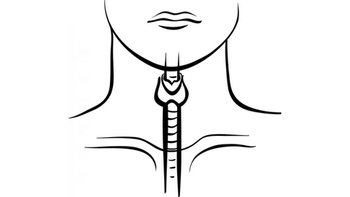
In the interview with Targeted Oncology, Marcia S. Brose, MD, PhD, FASCO discussed treatment of TRK fusion-positive thyroid cancer based on the most recent data from 2022 ASCO Annual Meeting and ongoing studies.

In an interview with Targeted Oncology, Anne Wooford, MD, discussed a study of 27 patients with a variety of hematological conditions, unable to find a human leukocyte match donor.
Specific biliary tract cancer clusters have distinct clinical and biologic features which may provide opportunities for therapeutic development.

According to an analysis of 161 trials, patients and physicians should be encouraged to use phase 1 trials for meaningful therapy.
The FDA has granted fast track designation to abelacimab for the treatment of thrombosis associated with cancer. The agent is being assessed in 2 phase 3 clinical trials.
Praluzatamab ravtansine achieved confirmed overall response rate in patients with advanced hormone receptor–positive, HER2-negative breast cancer, meeting the primary end point of the phase 2 CTMX-2009-002 trial.
Gunther Koehne, MD, PhD, discusses his hopes for future advances for patients with hematologic malignancies.
Findings from part A of the phase 2/3 RINGSIDE trial reveal AL102 to demonstrate favorable safety in patients with desmoid tumors.
In an interview with Targeted Oncology, Toni K. Choueiri, MD, discusses results from the KEYNOTE-564 efficacy analysis and what will come next for pembrolizumab treatment in renal cell carcinoma.
