In this first video of the series, Neeraj Agarwal, MD, of the Huntsman Cancer Institute of the University of Utah explains the role of imaging and genomic testing in the diagnosis and treatment of prostate cancer.

In this first video of the series, Neeraj Agarwal, MD, of the Huntsman Cancer Institute of the University of Utah explains the role of imaging and genomic testing in the diagnosis and treatment of prostate cancer.
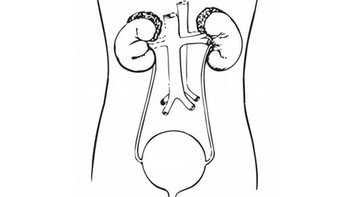
In this companion article, Neeraj Agarwal, MD, discusses the role of genomic testing and imaging in the initial diagnosis, staging, and treatment of prostate cancer.
In this second video of the series, Phillip J. Koo, MD, of the Banner MD Anderson Cancer Center explains the role of nuclear imaging (PET) and PSMA in the diagnosis and treatment of prostate cancer.
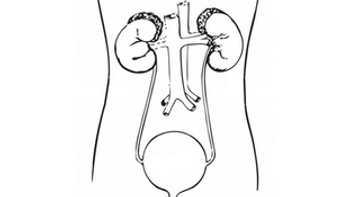
In an interview with Targeted Oncology™, Phillip J. Koo, MD, discusses both the role of novel PSMA tracers in prostate cancer imaging and the promise that theranostics, including LuPSMA, hold for prostate cancer therapy.
In the third video of the series, Alicia K. Morgans, MD, MPH, of the Dana-Farber Cancer Institute sheds light on the rapidly developing treatment landscape for advanced prostate cancer.
In this companion article, Alicia K. Morgans, MD, MPH, explains the role of androgen deprivation therapy, second-line options in the treatment of advanced prostate cancer, and methods of selecting appropriate treatment.

In the fourth video of the series, Jorge Garcia, MD, FACP, considers PSMA-positive cells as a therapeutic target in men with metastatic castration-resistant prostate cancer and discusses the implications of the VISION trial for the therapeutic landscape.
In the fourth interview of the series, Jorge Garcia, MD, FACP, discusses the VISION trial, how LuPSMA fits within the current mCRPC treatment landscape, and implications of VISION’s results for prostate cancer therapy.

In the fifth video of the series, Nicholas J. Vogelzang, MD, FASCO, FACP, of Comprehensive Cancer Centers considers implications of the VISION trial and reflects on the futures of lutetium PSMA and theranostic precision medicine more broadly.
In the fifth interview of this series, Nicholas J. Vogelzang, MD, FASCO, FACP, medical oncologist at Comprehensive Cancer Centers in Las Vegas, Nevada, discusses how the VISION trial informs the future of both PSMA biomarking and theranostic precision medicine.

In the final interview of the series, Oliver Sartor, MD, medical director at Tulane Cancer Center in New Orleans, Louisiana, discusses the aftermath of the VISION trial, new research examining 177Lu-PSMA-617 in less heavily pretreated patients and in combination therapies, forthcoming advances in PSMA imaging, novel biomarkers, the horizon for prostate cancer therapy and research, and the future role of theranostics in precision medicine.
In the sixth and final interview of the series, VISION trial co-principal investigator Oliver Sartor, MD, discusses how the VISION trial fits into new PSMA research; examines combination therapies, PET imaging, and novel biomarkers for prostate cancer; and explores the future of phenotypic theranostics in precision medicine.