
In solid tumor oncology, an evolving treatment paradigm is getting more and more attention—and no, I’m not referring to immunotherapy. In localized solid tumors, surgery is often a standard of care, with intent being toward cure.

In solid tumor oncology, an evolving treatment paradigm is getting more and more attention—and no, I’m not referring to immunotherapy. In localized solid tumors, surgery is often a standard of care, with intent being toward cure.

Although a vaccine for the human papillomavirus (HPV) is widely available, an average of 34,800 HPV-associated cancers attributable to the virus, including cervical, vaginal, vulva, penile, anal, and oropharynx were reported in the United States from 2012 through 2016, according to data published in Morbidity and Mortality Weekly Report.
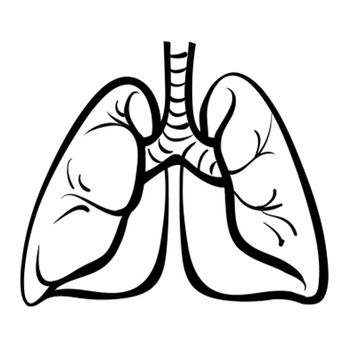
Despite advances in small cell lung cancer, overall 5-year survival remains at 5% to 10%. At the time of presentation, approximately 30% of patients with SCLC have limited stage disease, which is confined to the mediastinum, the hemithorax, or the supraclavicular lymph nodes. The remaining patients, who have extensive-stage SCLC, have tumors beyond the supraclavicular areas.
With so many advances occurring in the field of lung cancer and guidelines changing on an almost monthly basis, keeping up with the latest best practices has become more challenging for many oncologists. The 17th Annual Winter Lung Cancer Conference™ taking place February 7-9, 2020, in Miami, Florida, seeks to inform oncologists and healthcare professionals about the most up-to-date research and management suggestions.
William Gradishar, MD, began his discussion at the 2019 Lynn Sage Breast Cancer Symposium by summarizing the improvements different modalities have brought to pCR rates in recent years.
An expanded treatment array that uses PARP inhibitors, antibody–drug conjugates, and inhibitors of the AKT and MEK pathways gives patients with triple-negative breast cancer reason for hope.
Updated breast cancer guidelines have led to clearer diagnosis and management protocols in the past 2 decades, making them a necessary tool to help oncologists stay current in the face of a rapidly evolving knowledge base. To address less common HER2 result patterns, updated guidelines are reclassifying these cases to either HER2-negative or -positive groupings.

Outcomes in pancreatic cancer may be improving for the first time in decades. With pancreatic cancer projected to be the second leading cause of cancer-related deaths in the United States by the year 2030,1 this projection brings welcome optimism to the field.
Immunotherapy may become one of the most prevalent forms of therapy for breast cancer, explained Rita Nanda, MD, during a presentation at the 2019 Lynn Sage Breast Cancer Symposium.
The results of multiple studies suggest that bacteria may influence both cancer growth and the immune system, with certain species linked to improved immune surveillance of cancer. Some bacteria interact with the host’s immune system through paracrine factors to shape the immune system’s response to cancer.
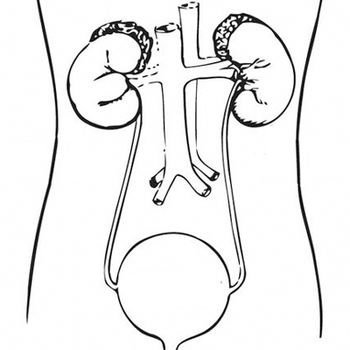
Several novel therapeutics have gained approval from the European Medicines Agency for the treatment of patients with bladder cancer in recent years, prompting the European Society for Medical Oncology to issue an eUpdate to these guidelines in August of 2019.