Clinicians explore the shift towards earlier use of antibody-drug conjugates in GI oncology, aiming to enhance patient outcomes and treatment efficacy.

Clinicians explore the shift towards earlier use of antibody-drug conjugates in GI oncology, aiming to enhance patient outcomes and treatment efficacy.
Recent trials reveal promising advancements in targeted therapies for chondrosarcomas and tenosynovial giant cell tumors.
Explore the vital role of antibody-drug conjugates in precision oncology for GI malignancies, focusing on managing payload-dependent toxicities effectively.
Explore advanced treatment options for gastrointestinal neuroendocrine tumors, focusing on real-world case studies and emerging clinical data.
Explore the treatment options for chronic graft versus host disease patients after use of second-line therapy.
A 52-year-old woman experiences chronic GvHD post-stem cell transplant, showcasing complex symptoms and treatment challenges. Discover her journey and management strategies.
Dr. Filippo Pietrantonio explores the manageable safety profile of amivantamab combined with chemotherapy for metastatic colorectal cancer patients.
Roberto Mina, MD, discusses the distinguishing factors of the MajesTEC-3 and MajesTEC-9 trials of teclistamab in multiple myeloma.
Dr. Filippo Pietrantonio explores how amivantamab may transform surgical options for patients with advanced colorectal cancer, enhancing treatment outcomes.
New data from the OrigAMI-1 study highlights promising efficacy and safety of amivantamab with chemotherapy for metastatic colorectal cancer patients.
A 52-year-old woman experiences chronic GvHD post-stem cell transplant, showcasing skin and joint symptoms, requiring ongoing steroid management.
Explore effective treatment strategies and multidisciplinary approaches for managing chronic graft-versus-host disease post-allogeneic stem cell transplant.
Filippo Pietrantonio discusses overcoming resistance in metastatic colorectal cancer with innovative trials for amivantamab, enhancing treatment efficacy.

This research explores treatment options for low-grade serous ovarian cancer, highlighting the need for effective non-chemotherapy regimens.
Leyla O. Shune, MD, looks to the future of treatment for patients with chronic graft-versus-host disease (cGVHD).
Explore innovative strategies in small cell lung cancer treatment, focusing on bone marrow protection to enhance patient outcomes and treatment durability.
Roberto Mina, MD, associate professor of hematology at the Winship Cancer Institute at Emory University, discussed the significance of the patient population of the MajesTEC-9 trial in patients with relapsed/refractory multiple myeloma.
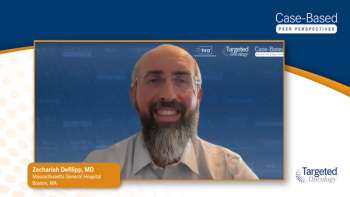
Explore innovative combination strategies for chronic GVHD treatment, focusing on emerging therapies and their potential to enhance patient outcomes.
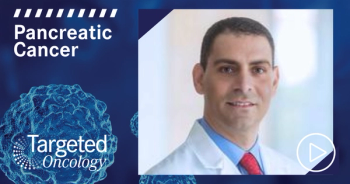
Experts discuss optimizing NALIRIFOX treatment for metastatic pancreatic cancer, highlighting flexible dosing and early adverse event recognition for better patient outcomes.
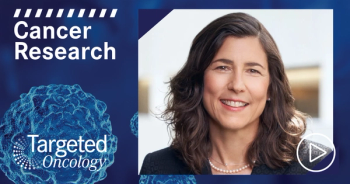
Rebecca Siegel, MPH, highlights alarming cancer disparities among American Indian, Alaska Native, and Black populations, emphasizing systemic issues over individual choices.
Roberto Mina, MD, discussed the significance of the early outcomes that were reported from the MajesTEC-9 trial in patients with relapsed/refractory multiple myeloma.
Recent cancer statistics reveal significant survival rate improvements for aggressive cancers, highlighting advancements in treatment and a shift in oncology outcomes.
Leyla O. Shune, MD, discusses sequencing agents in the in current treatment paradigm for chronic graft-versus-host disease, given the multitude of available FDA-approved agents and additional treatments emerging on the horizon.
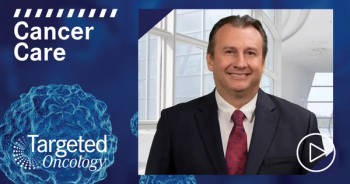
Dr. Lucio N. Gordan advocates for healthcare reform to protect community oncology, emphasizing site parity and 340B program changes to reduce financial toxicity.
Community oncology significantly reduces cancer care costs while maintaining quality, offering a sustainable solution to financial toxicity for patients.
Lucio N. Gordan discusses the economic burden of financial toxicity in oncology, highlighting its impact on patients and the healthcare system.
Explore the complexities of interpreting clinical trial results versus real-world experiences in chronic GVHD treatment options.
Explore effective third-line treatments for chronic GVHD, focusing on the latest FDA-approved therapies and their impact on patient outcomes.
Rebecca Siegel, MPH, reveals key insights on lung cancer trends, survival rates, and the need for targeted interventions in diverse populations.
This segment examines optimal care for patients with early-stage non–small cell lung cancer (NSCLC) relying on coordinated multidisciplinary collaboration.