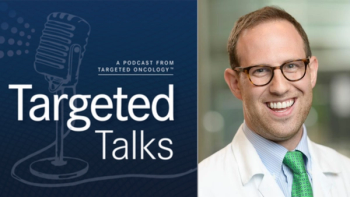
Benjamin Herzberg, MD, discusses KRAS-mutant non–small cell lung cancer, upfront biomarker testing, and the emerging RAS inhibitor toolkit on Targeted Talks.

Why genetic tests aren’t enough: learn how counseling, risk models, and ongoing follow-up shape personalized screening and cancer prevention.
In an interview with Targeted OncologyTM, Ranjit Goudar, MD, of Virginia Oncology Associates, discusses the ongoing barriers to genetic testing and hereditary cancer risk assessment, emphasizing that testing alone is only one part of effective cancer prevention.
Goudar explains that patient education remains a significant challenge. Many patients—and their relatives—decline genetic testing without first meeting with a genetics professional, limiting their understanding of the potential benefits, limitations, and implications of the results. He highlights the importance of pretest counseling and family education to ensure individuals make informed decisions rather than dismissing testing based on misconceptions or anxiety. Ultimately, the goal is to identify patients at increased cancer risk early enough to implement preventive strategies or enhanced surveillance before cancer develops or is diagnosed at an advanced stage.
He also addresses a common misconception that a negative genetic test result means cancer risk assessment is complete. He explains that advances in risk modeling have demonstrated that patients may still have elevated risks for cancers such as breast, colon, or pancreatic cancer despite negative genetic findings. As a result, routine cancer screening and individualized risk assessment remain essential components of long-term care.
Rather than viewing genetic testing as the end point, Goudar advocates for using test results to build personalized cancer screening and prevention plans that evolve over time. Changes in family history, newly identified cancer susceptibility genes, improved screening technologies, and updated risk models may all warrant future reassessment. For community oncologists, he emphasizes the value of maintaining long-term follow-up and ongoing patient communication to ensure hereditary cancer risk management remains current, personalized, and clinically meaningful.