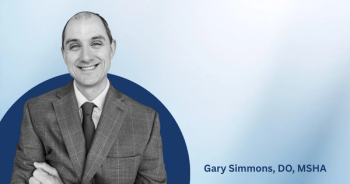
Gary Simmons, DO, MSHA, discusses outpatient CAR T-cell therapy in the community, the operational and payer bottlenecks his practice has faced, and advice for colleagues.

Actionable strategies curb oncologist burnout by easing admin workload, enabling true PTO disconnect, strengthening leadership communication, and boosting self-care support.
In an interview with Targeted Oncology™, Marcus Neubauer, MD, of The US Oncology Network, discusses strategies practice leaders can use to address physician burnout by targeting its underlying drivers. Based on survey findings from more than 100 oncologists, he highlights 4 key areas for intervention: administrative burden, difficulty disconnecting from work during paid time off (PTO), leadership and communication gaps, and insufficient attention to self-care.
Providing accessible support resources can help physicians who may be experiencing burnout, particularly when they may not recognize the signs themselves or may be hesitant to seek assistance. Neubauer also emphasizes the importance of creating an infrastructure that allows physicians to fully disconnect during PTO without remaining responsible for patient-care duties. Reducing administrative burden represents another potential opportunity, with emerging technologies, including artificial intelligence (AI), offering ways to streamline documentation, data entry, and other routine workflows.
Neubauer notes that leadership plays a central role in mitigating burnout risk. Regular check-ins, clear communication, meaningful engagement, and efforts to prevent physicians from feeling isolated can help create a more supportive practice environment. By addressing organizational and operational factors alongside individual well-being, community oncology practices may be better positioned to support physicians and build a more sustainable workforce.