
Opinion|Videos|November 3, 2026
Interpreting Single-Arm Trials in Rare Driver Populations
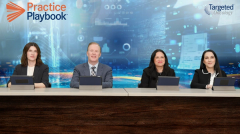
Matthew A. Gubens, MD, MS, Julia K. Rotow, MD, and Estelamari Rodriguez, MD, MPH, discuss how to interpret the single-arm trials supporting ROS1 tyrosine kinase inhibitors in ROS1-positive non-small cell lung cancer (NSCLC).
Advertisement
Matthew A. Gubens, MD, MS, Julia K. Rotow, MD, and Estelamari Rodriguez, MD, MPH, discuss how to interpret the single-arm trials supporting ROS1 tyrosine kinase inhibitors in ROS1-positive non-small cell lung cancer (NSCLC). Dr. Gubens notes that agents gain approval in rapid succession without head-to-head randomized data, so clinicians rely on cross-trial comparisons with their inherent limitations. He calls durability the top consideration in patient conversations, followed by tolerability when efficacy appears similar. Dr. Rotow explains that the rarity of ROS1 fusions makes large randomized phase 3 trials impractical, since mature data could take 6 to 10 years. She relies on single-arm studies while remaining cautious about differences in enrolled populations and follow-up maturity. Dr. Rodriguez notes that the largest datasets include about 180 patients and some intracranial data come from only 10 patients; however, response rates for newer agents approach 80%. She views intracranial activity and landmark analyses at 12 and 18 months as key signals of durable benefit.
Advertisement
Related to this article
Hear how a single ctDNA blood draw 3 to 9 weeks into immunotherapy may reveal response earlier than imaging in NSCLC, with Valsamo Anagnostou, MD, PhD.

Updated ENZARAD findings show no significant metastasis-free survival benefit with enzalutamide, although patients receiving pelvic lymph node radiation may benefit from intensification.

Short-course neoadjuvant botensilimab plus balstilimab drives deep responses in resectable pMMR and dMMR colon cancer, with ctDNA clearance and no recurrences.
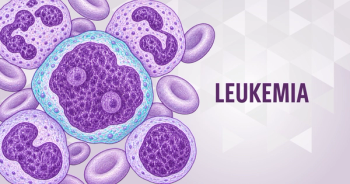
The FDA granted final approval to Alembic's generic venetoclax tablets, rated therapeutically equivalent to Venclexta, for CLL/SLL and newly diagnosed AML.

Lauren Banks, MD, PhD, explains early findings from a pilot study of lifileucel in dedifferentiated liposarcoma and undifferentiated pleomorphic sarcoma, including treatment feasibility, safety, and response durability.

Sara Lonardi, MD, discusses the final overall survival analysis of CheckMate-8HW from ESMO 2026 and its implications for first-line MSI-H/dMMR mCRC.

The first-in-class oral RIPTAC molecule JNJ-6143 reached a 75% overall response rate and significant declines in PSA in metastatic castration-resistant prostate cancer.

Real-world study shows outpatient tarlatamab for relapsed SCLC is feasible, with mostly low-grade CRS, rare ICANS, low ICU use, and similar disease control.
Advertisement
Advertisement
Trending on Targeted Onc
1
A New Era in Sarcoma Treatment? Dr Banks on the Potential of TIL Therapy
2
FDA Approves Generic Venetoclax Tablets for CLL/SLL and AML
3
Enzalutamide Fails to Improve Survival in High-Risk Prostate Cancer
4
Neoadjuvant Botensilimab/Balstilimab Shows Activity in Colon Cancer
5